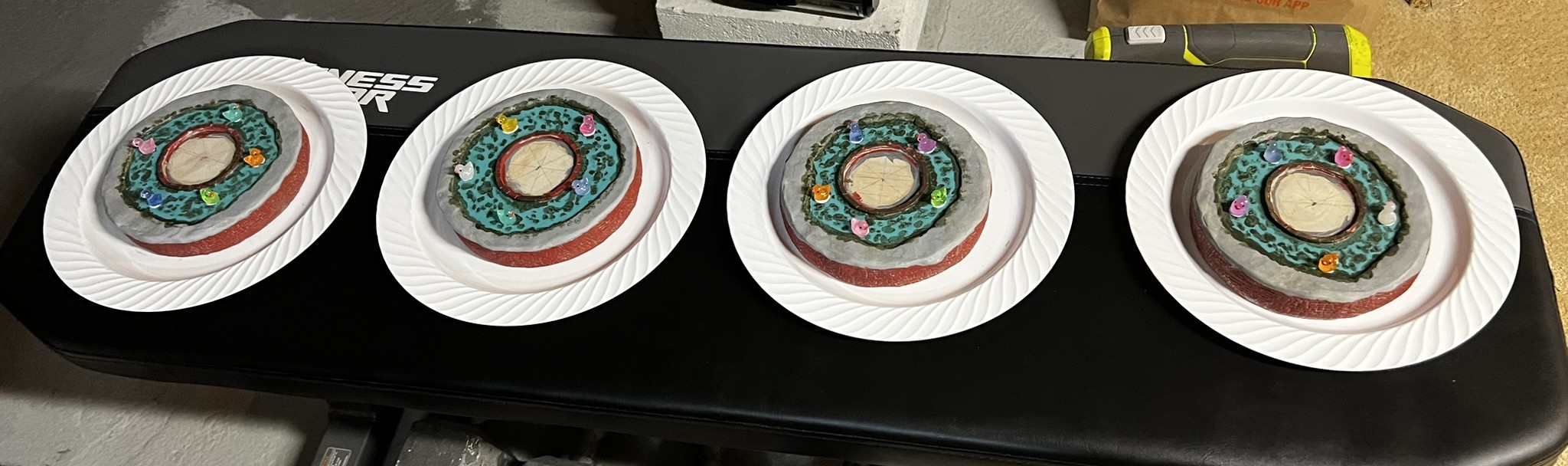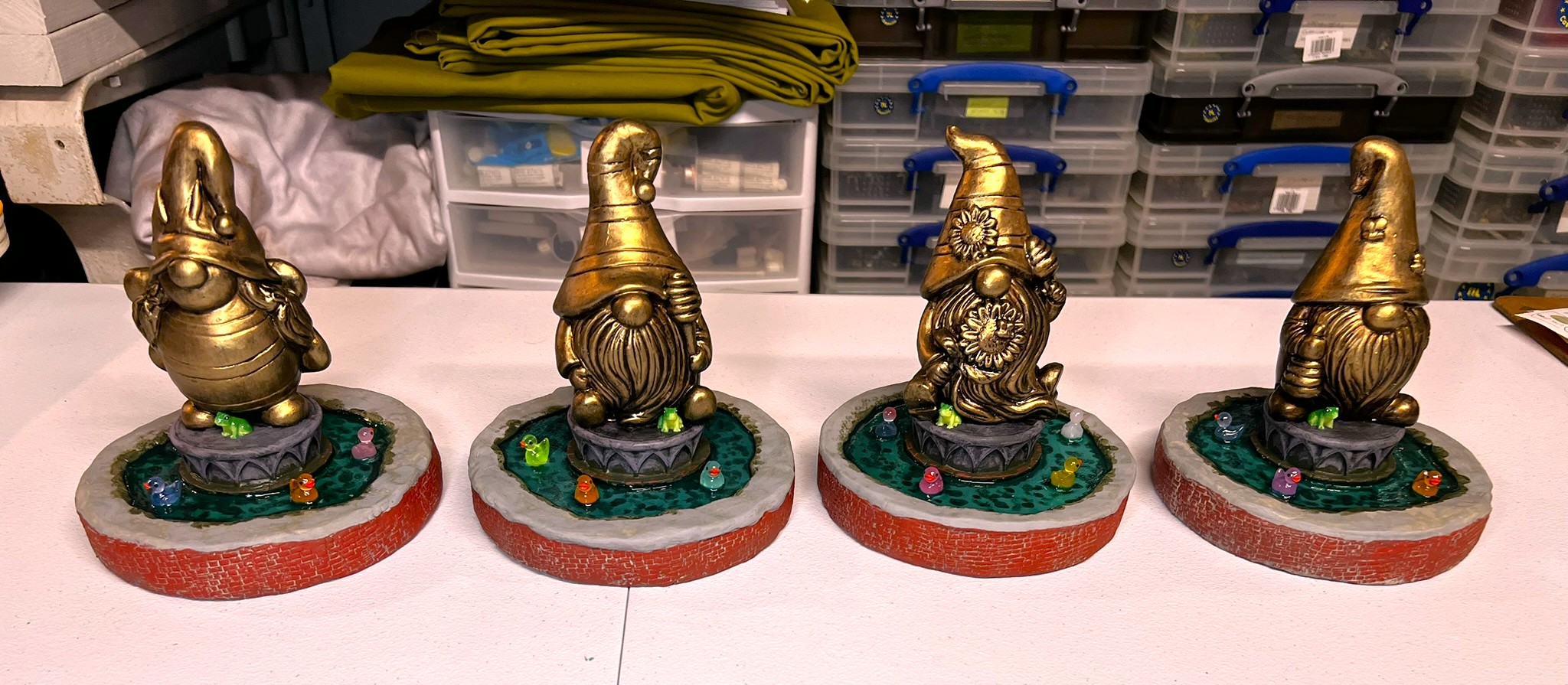
After I finished my Scarecrow Girl statue, I was motivated to make some more as gifts for my fellow Wars of Ozz game masters. Those would be Buck Surdu, Chris Palmer, Greg Priebe, and Dave Wood. As we are collaborating on a massive “Ozzaganza” game at Cold Wars, I thought that was worth a go.
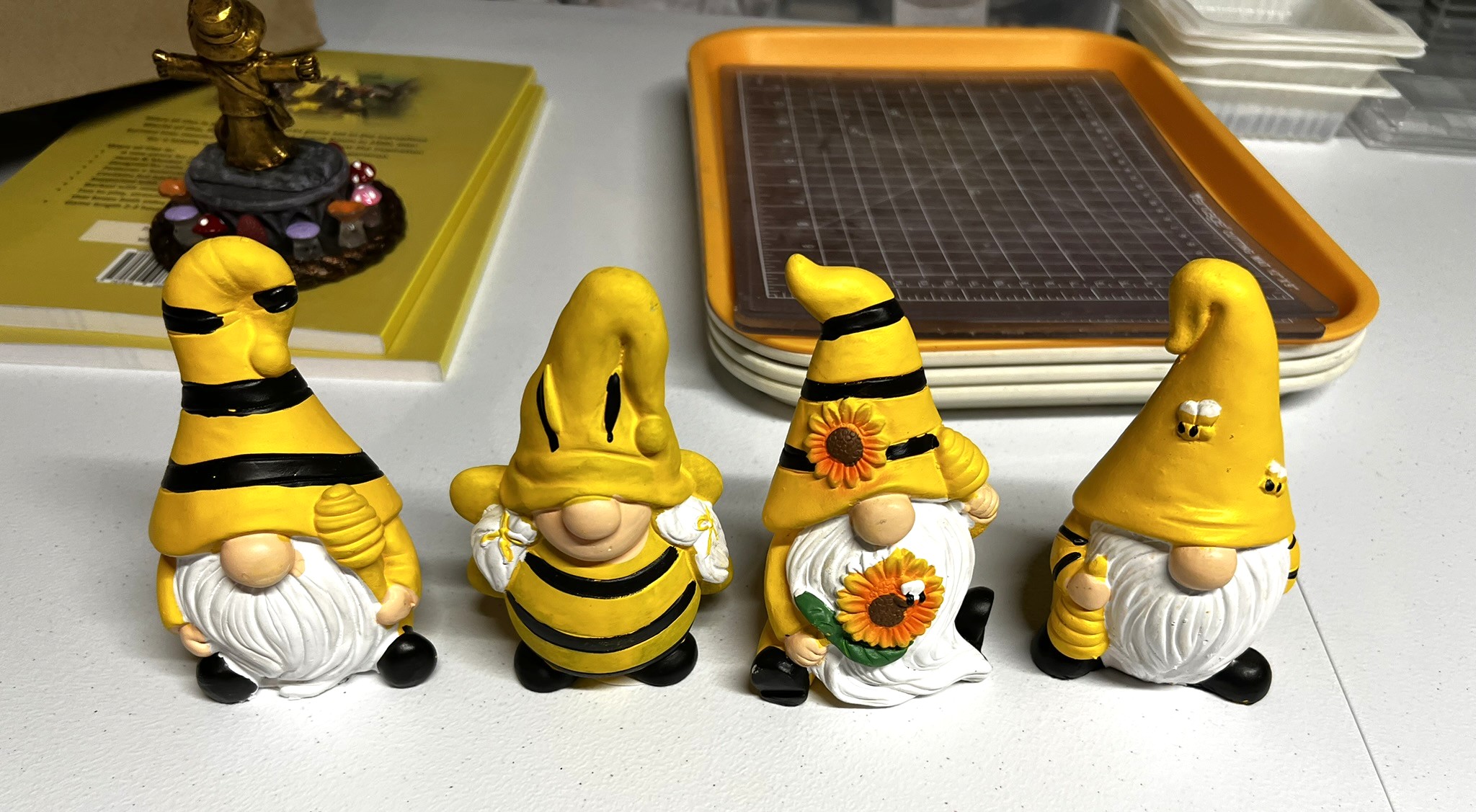
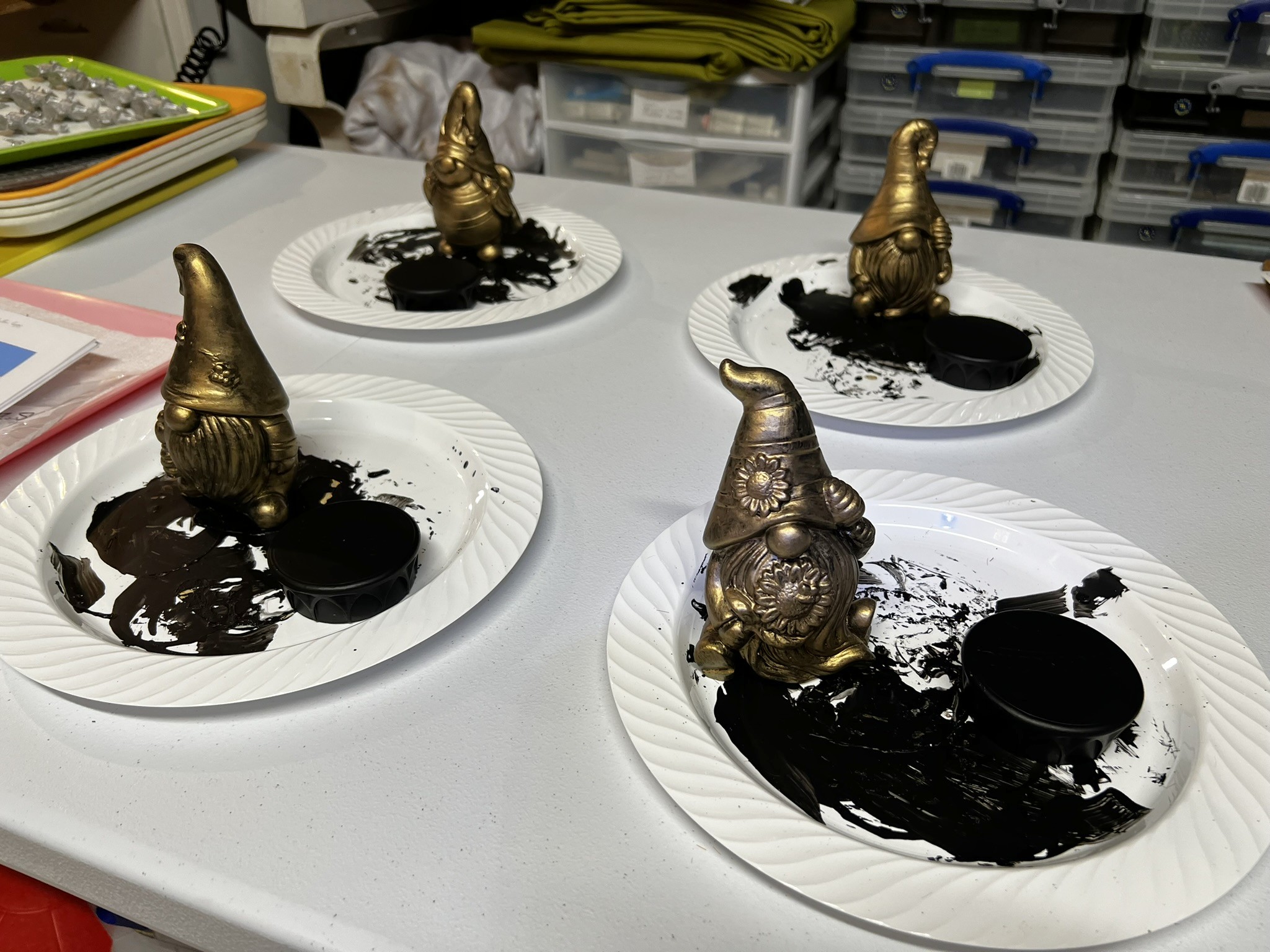
As it turned out, I could not reasonably source another scarecrow girl, so I hit my local Dollar store to see what I could find – and there were some beekeeper gnome statues. As in Ozz there are “Nomes”, I got 4 (at $1.25 each). These were prepainted as you see, and made out of plaster of Paris I believe.
The Nomes as purchased from the Dollar Store. My Scarecrow Girl statue is in the background.
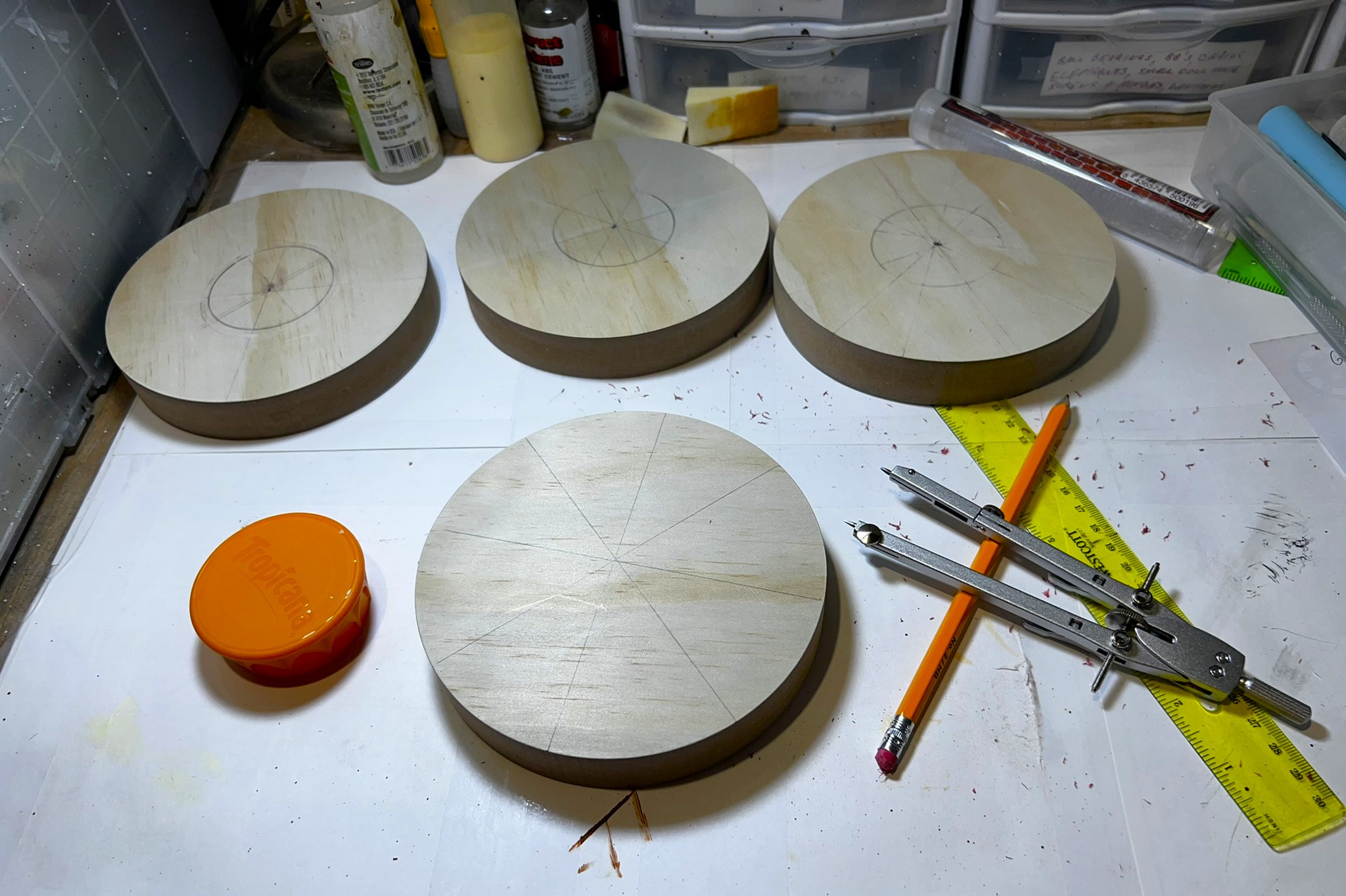
As for bases, I found a packet of 6″ wooden disks on Amazon. As these were much bigger than my previous build’s base, I chose to make a statue/fountain combination for these. Luckily I still had some more Tropicana Orange Juice lids to use as plinths.
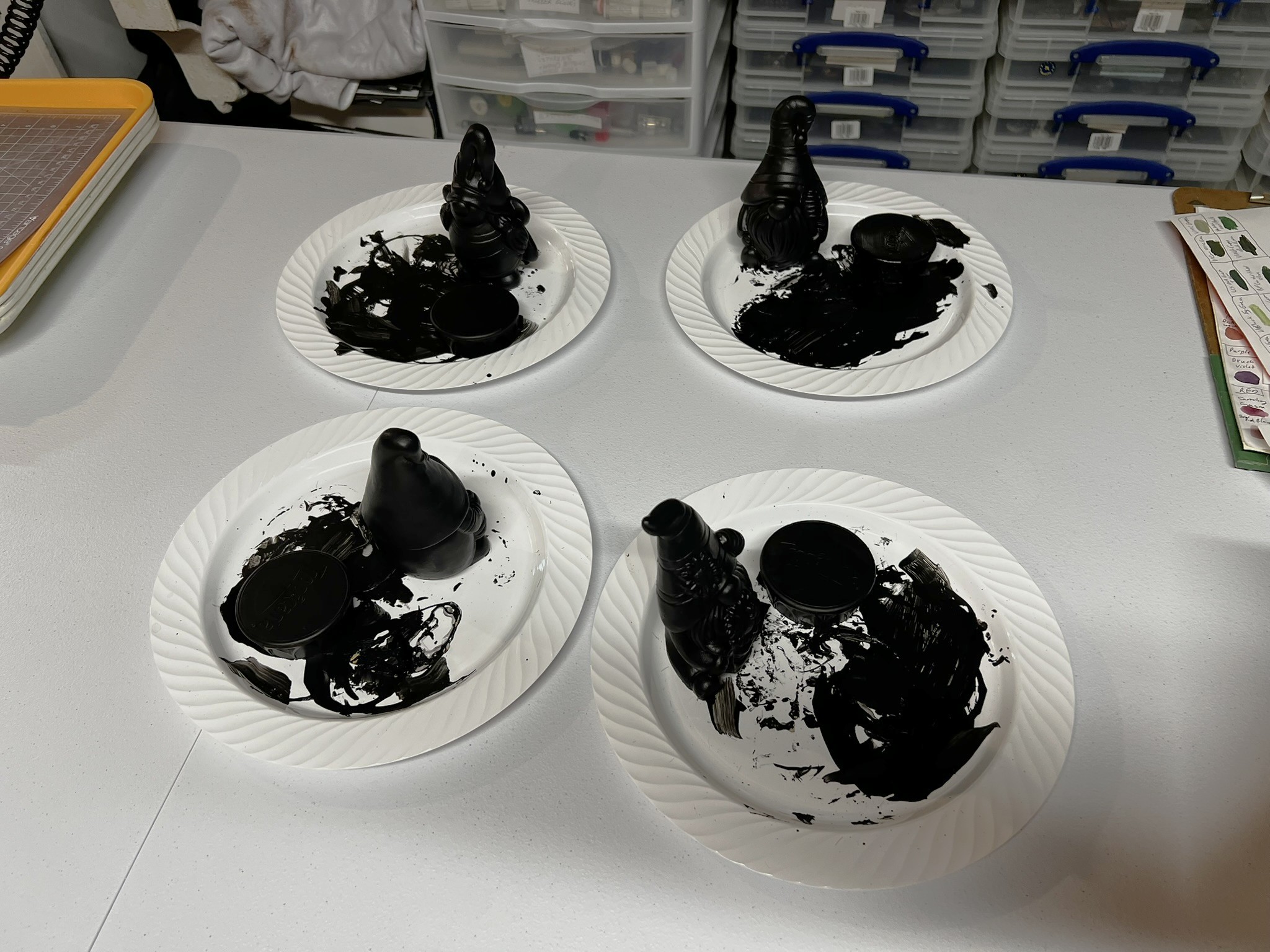
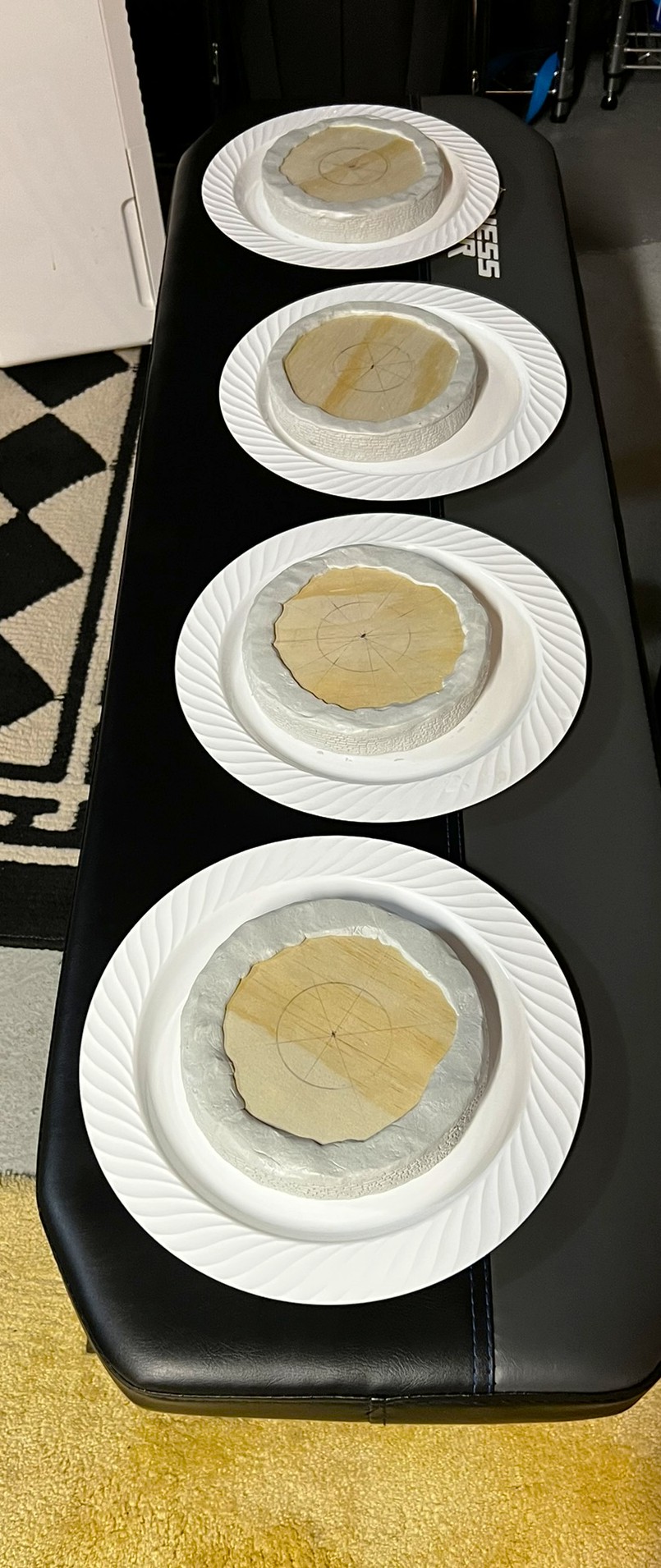
Nomes and plinths primed.Getting the disk centers just right with a Tropicana orange juice lid, a ruler, and a compass.
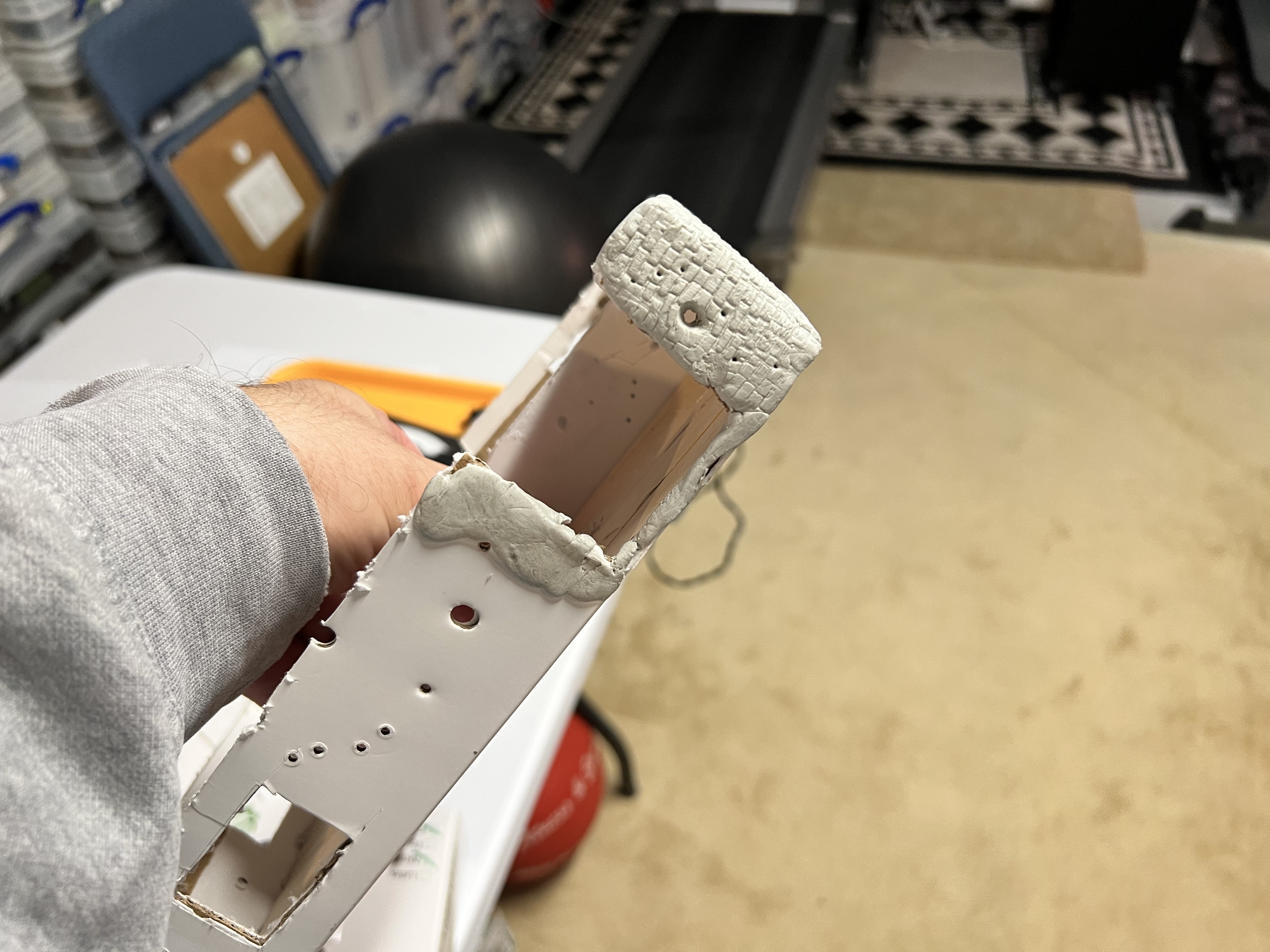
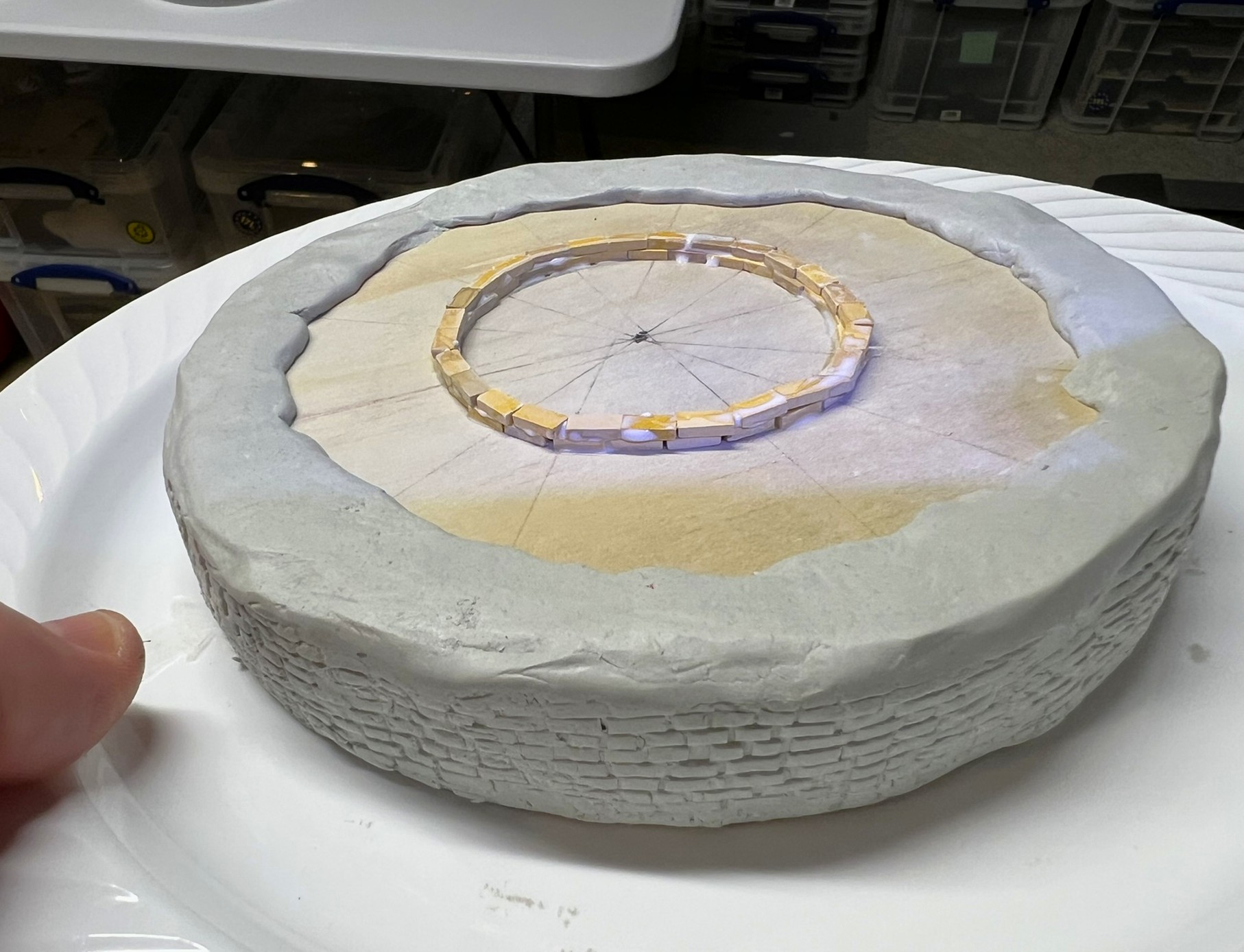
Applied Apoxie Sculpt and used Green Stuff World Dutch Brick roller on outside rims, while leaving the top to look like a concrete rim.
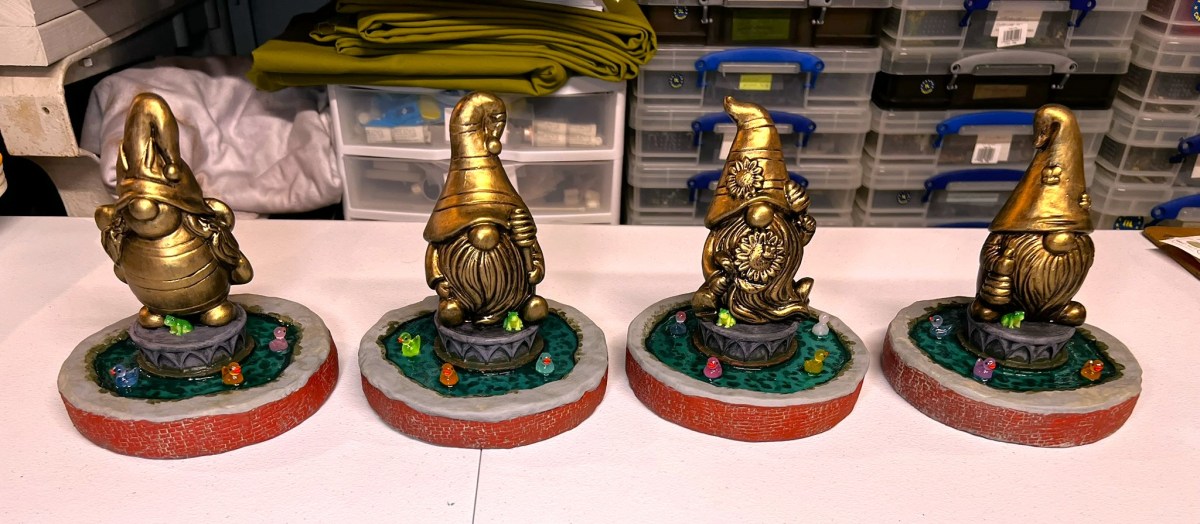
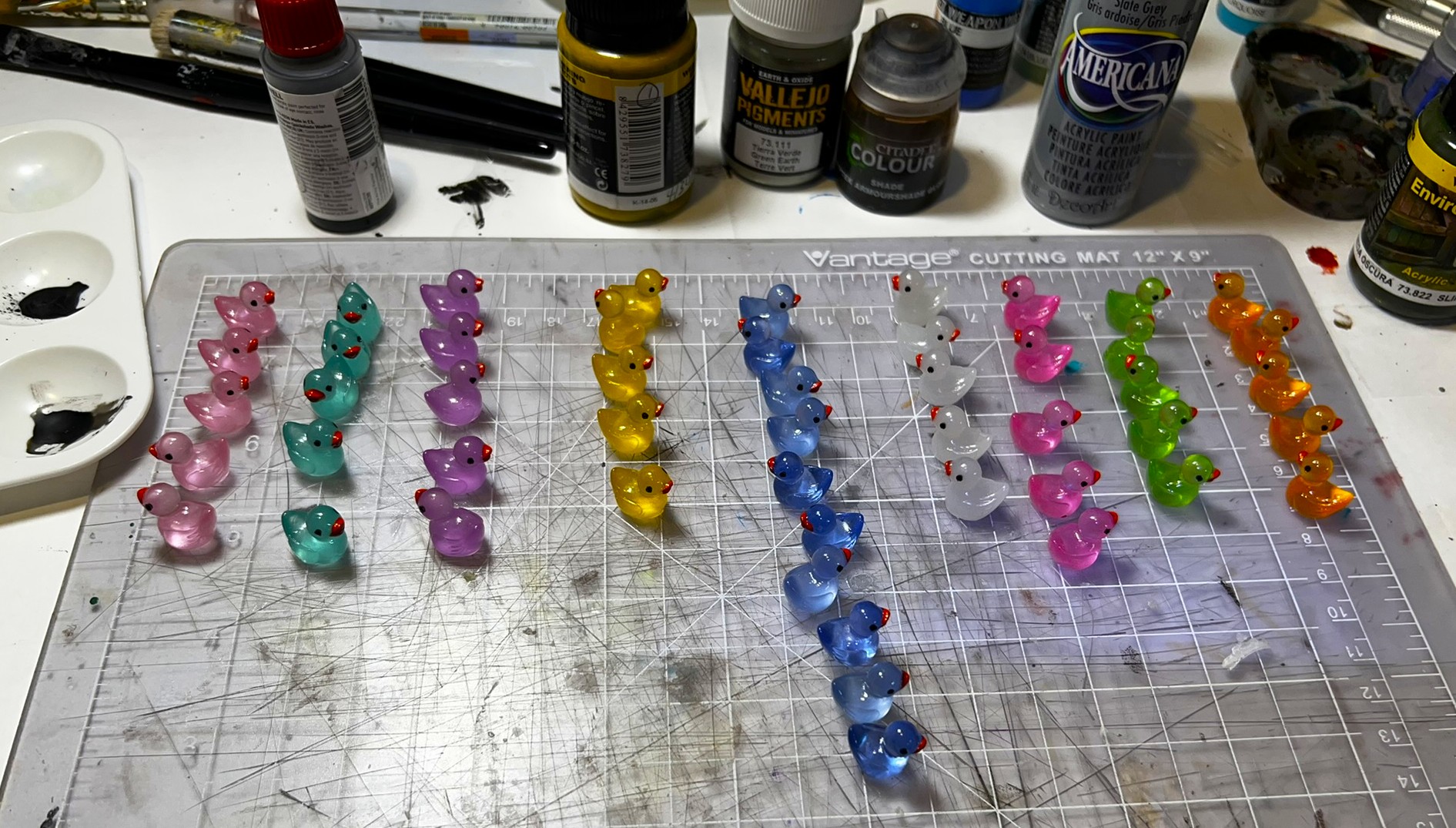
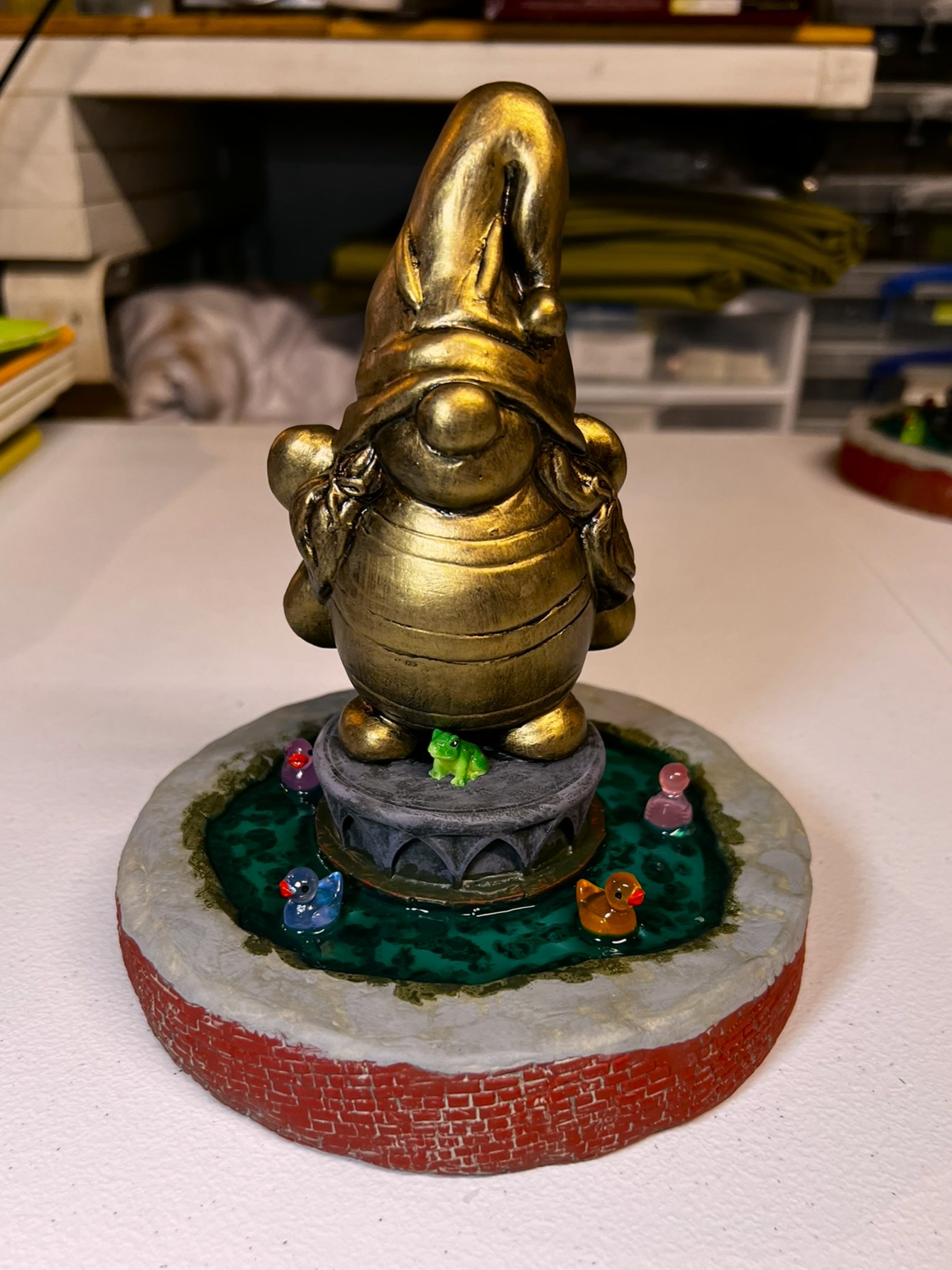
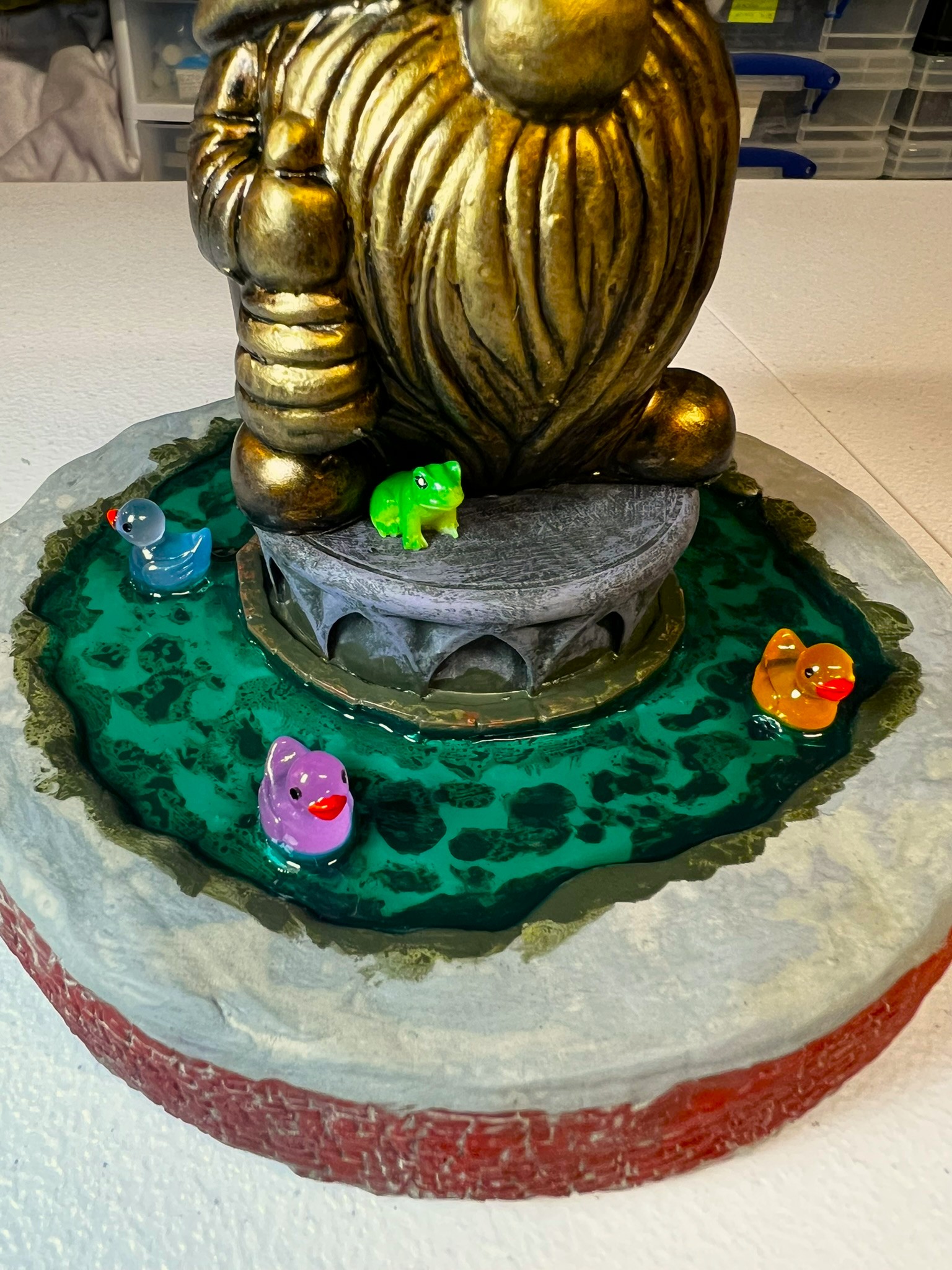
Laid little tiny Juweela 1:32 terracotta bricks in two courses with PVA to surround the orange juice lid plinths. The bricks would be painted red.Used bronze paint to change the Nomes to statues.Painted the fountain bottom blue using a mix of colors. Then stippled Vallejo “Slime Green” around the structures and on the fountain’s bottom.Got my ducks in a row! The set comes with multiple colored ducks that actually will glow in the dark.Dry brushed the plinths to resemble aged granite, then added a dark wash to the Nomes. Mounted the Nomes on the plinths and added a tiny frog.Mounted 5 ducks with PVA to each fountain, and then let dry. After that, I added the still water blended with inks to the fountains.The brick rims got a treatment of pigments to fill in and give a better look to the mortar. The Nomes and plinths then were set into the middle and I filled the little gap with PVA. Later I would reapply the slime to the water’s edge and hide any remaining gaps, and varnish the brick rim.
That would finish the project. Now…
Eye Candy
I was able to to present three of these at Cold Barrage in Havre de Grace Maryland to Greg Priebe, Chris Palmer and Buck Surdu. The fourth will go to Dave Wood at Cold Wars and take prominent places of the Ozzaganza tabletop.
Next up (hopefully shortly) the only figures that I finished for February…
Final Note
Want to learn more about Ozz? If you want to check out the excellent Wars of Ozz figures’ range, there are two places to get them. You can also get the rules there. (I make no money from this.) The game rules and the figures are available from the next two places:
Below you’ll see the list of paints and the like that I used on this project. They are more useful for me when I need to recreate a color scheme in the future. They might not be as useful for you. In any case, that’s why I post them.
Miscellaneous details and references for those interested in that sort of thing:
For my earlier posts on Wars of Ozz games, view this page. It includes figures, units, and other related projects.
PAINTS, INKS, GLAZES, SHADES, WASHES, PIGMENTS, FLOCKING, GLUES AND MORE THAT I USED ON THESE NOME BEEKEEPER STATUES/ “OZZCARS”:
On the last time that I posted, I shared my Scarecrow Girl statue that I cobbled together. After Christmas, I was able to add even more to my scatter terrain with a myriad of pieces. In the case of this post, I’ll share how I built out and painted up desert/cactus pieces and some oases. I also did a bit of tree build and rehab work that I will share here.
It’s all for my Wars of Ozz games. I needed some more desert pieces – especially now as I have significant numbers of desert units from both the Whim Whim and Temujican factions. I did previously use some cacti from Hobby Lobby in my Mesoamerican games.
Two Christmas gifts from my Mom – cacti and trees (both kinds the types for model railroads or dioramas) – brought me an opportunity to go further. On a side note, she says I’m tough to get a gift for – to which I say I really don’t need any at my age – but I do appreciate her a lot and it was very thoughtful (she’s probably reading this too!). In any case they will outlast golf balls for sure…
The cacti were great for building some scatter terrain. Additionally, I needed to make objective markers for one of my desert games – and oases seemed appropriate for that purpose. Lastly, my deciduous and evergreen tree collection (which is mostly second-hand from a flea market) needed an upgrade badly as they were looking like victims of Agent Orange defoliant. So, Mom’s tree gift of three Hobby Lobby trees was another scatter terrain opportunity. I’ll discuss the cacti scatter bases first, then the oases build, and lastly the trees.
Cacti Bases
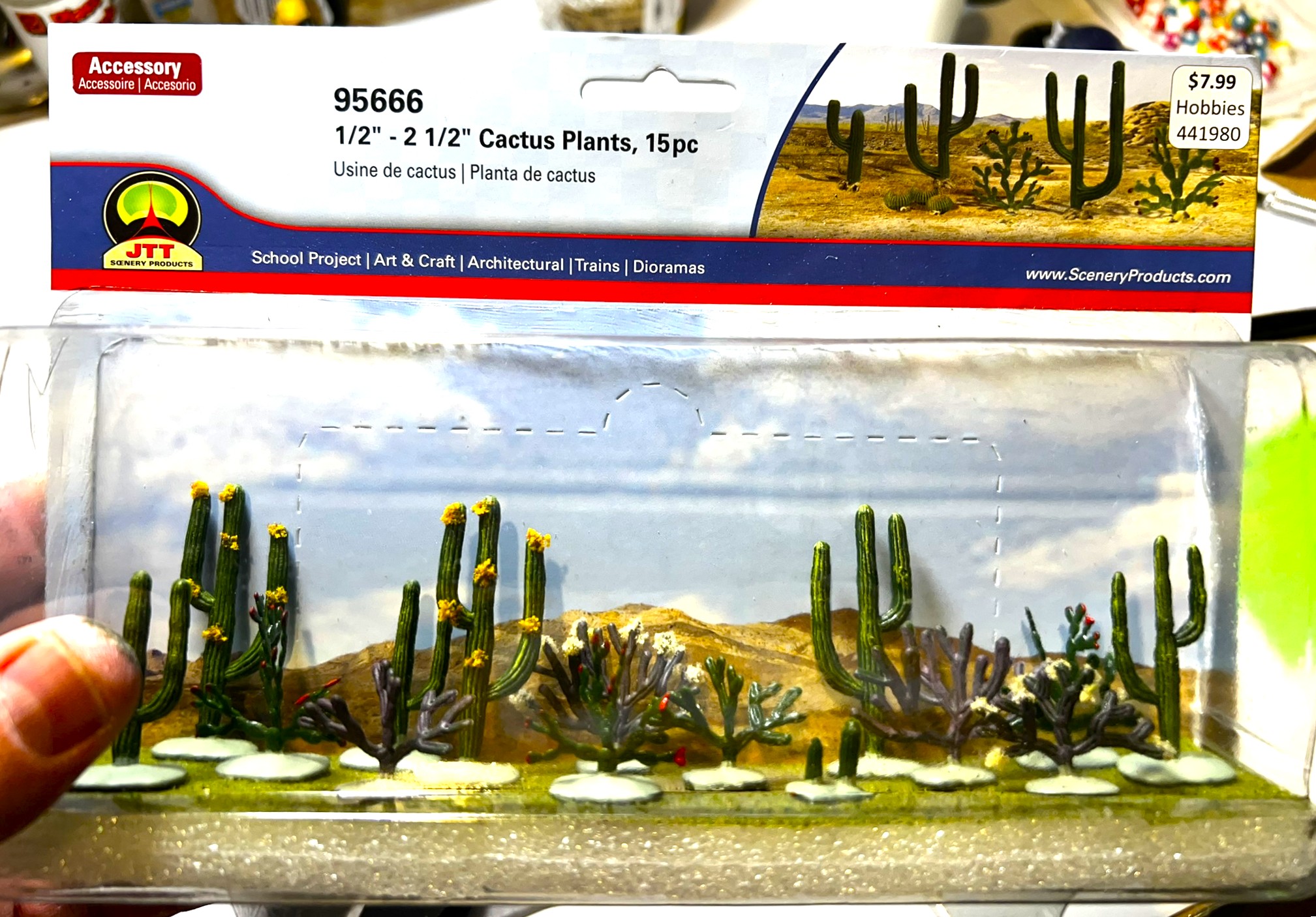
Cactus plants from JTT Scenery – I had two packages of 15 cacti.
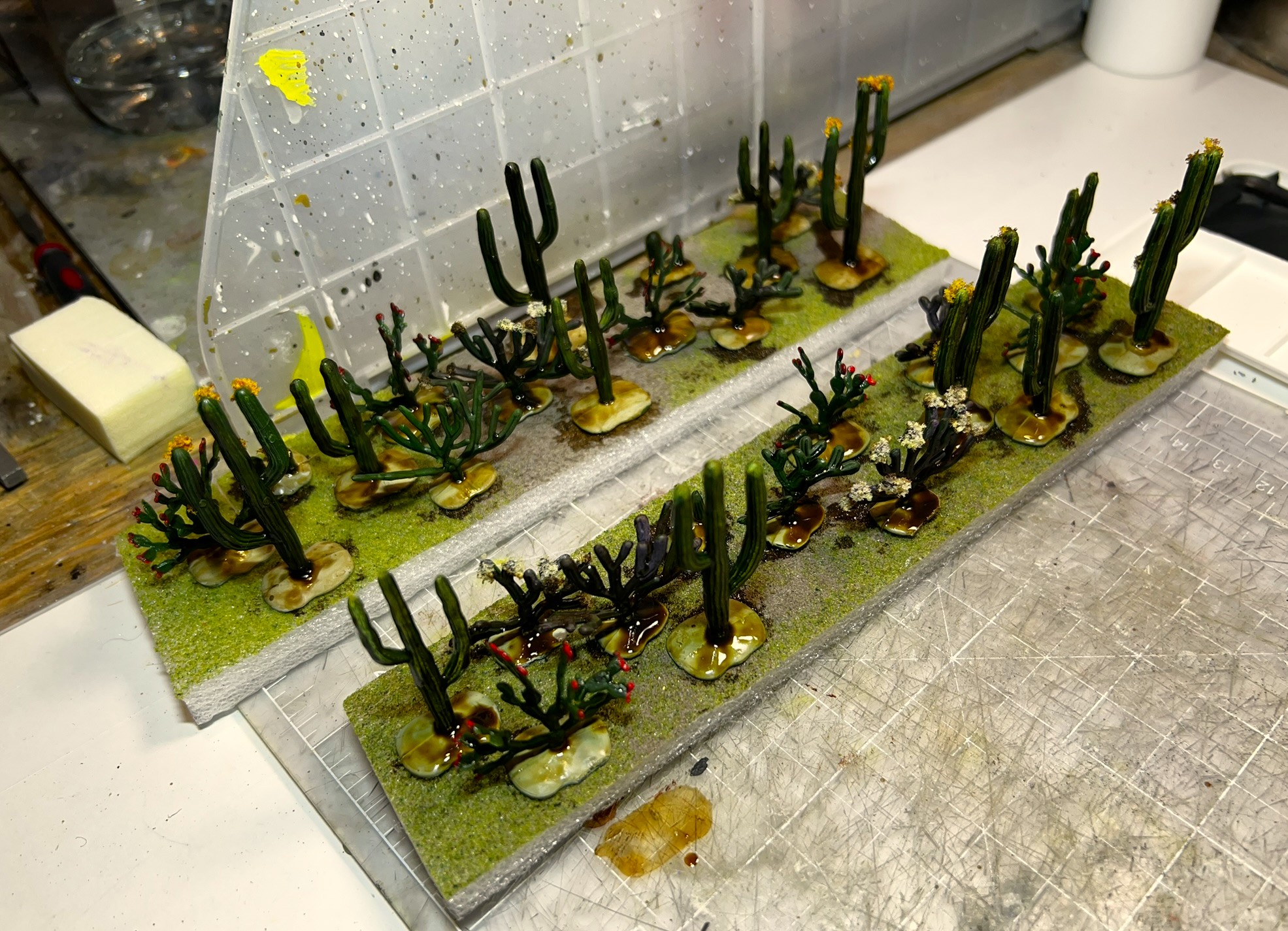
The cacti are from JTT, and are plastic, and hence, they have that glossy look. I used a wash to knock off the glossy appearance and to give some depth to the plants’ striations. This was easy to do as the plants are set in the package into a styrofoam base. That base holds them loosely enough for applying a sepia wash and removing the cacti and bushes afterwards was simple.
After applying a sepia wash. The mounting styrofoam made this easy.
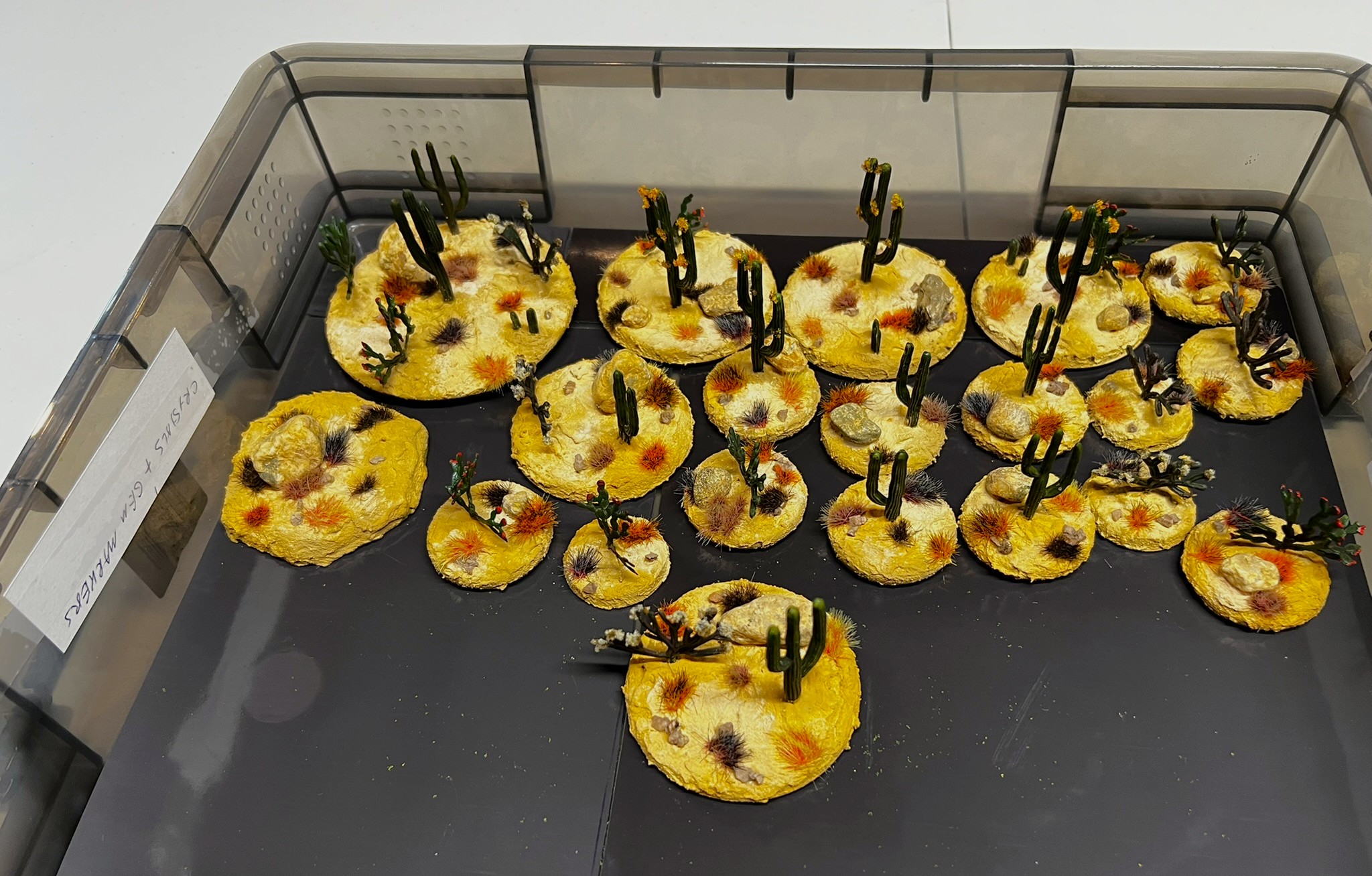
As for bases for the plants, I decided it was a good opportunity to clear out a bunch of different plastic and wooden bases from my collection. One was even the same as I used on the Scarecrow Girl statue. You can see them below – I ended up with 20 bases. All of them got appropriately-sized steel washers underneath.
Some of the bases I used – well 19/20 anyways! The other one was a wooden scratch-built base that needed a purpose.
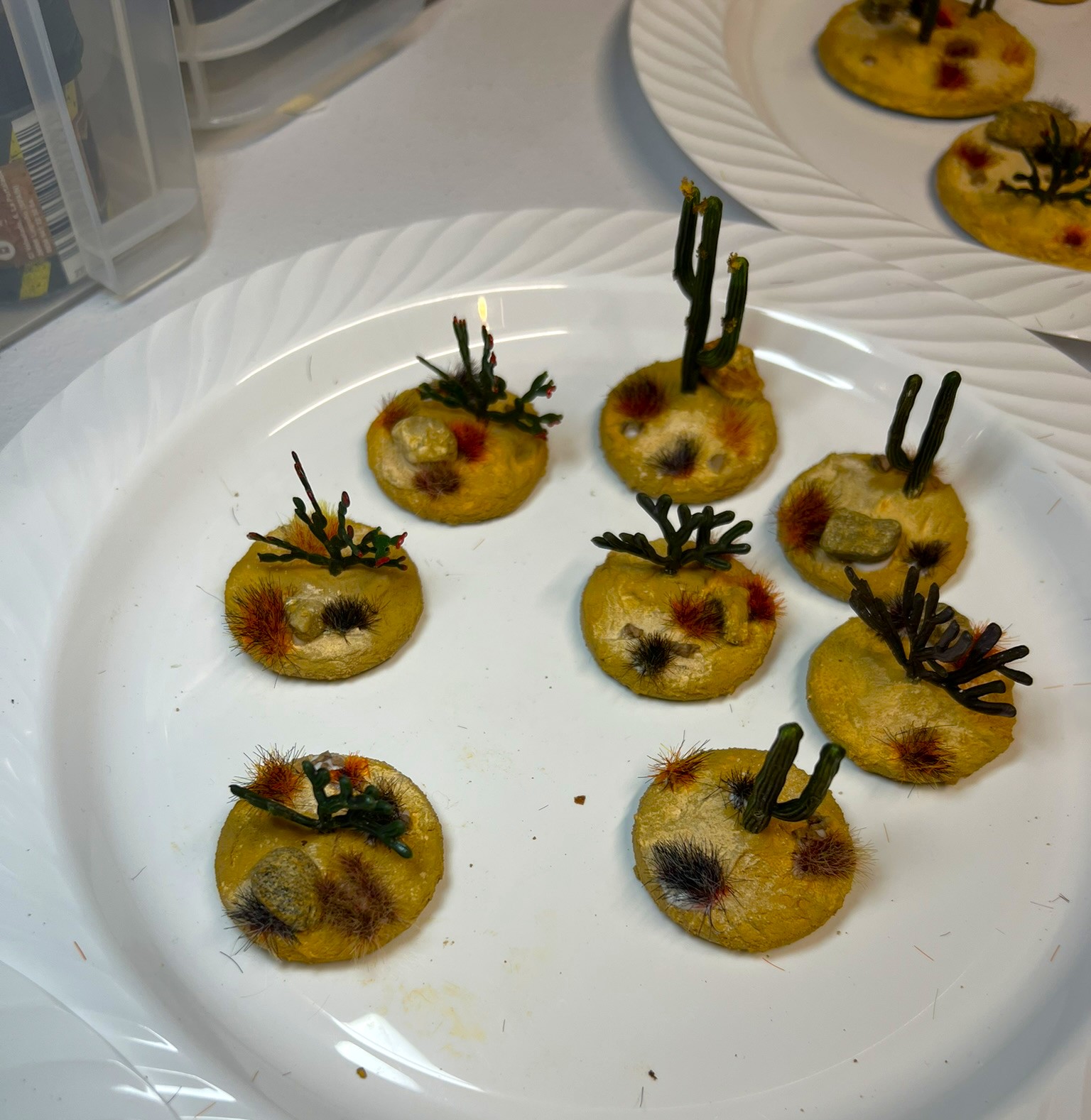
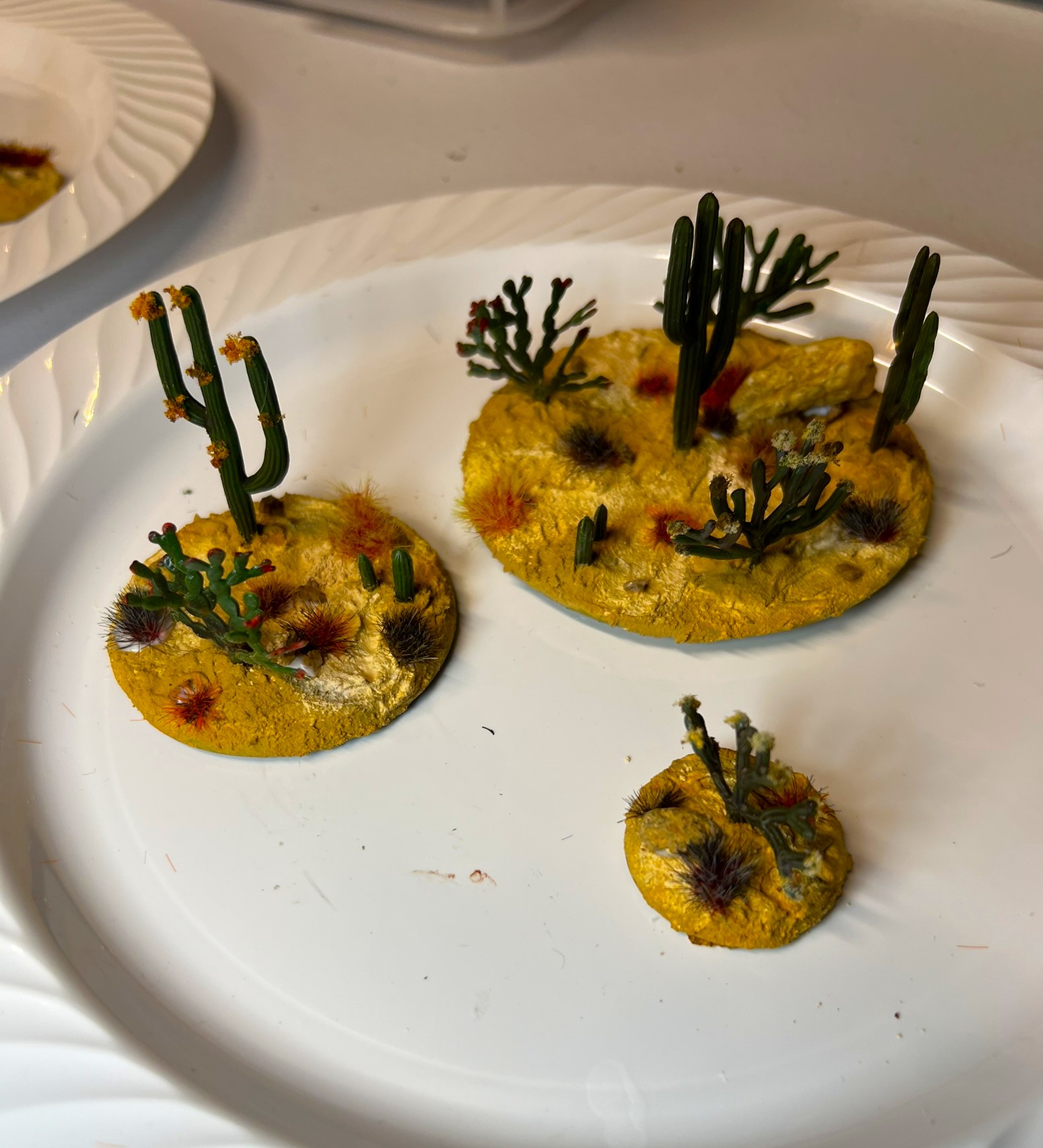
I glued the plants to the base, then added the AK basing paste, let that dry, then added pigments. When that was set, I added flocking to match my Whim Whim and Temujican unit basing schemes.
When I sent my mother these pictures on my phone, she thought they were cookies! Below you can see all 20 of them in a Really Useful Box.
Oases
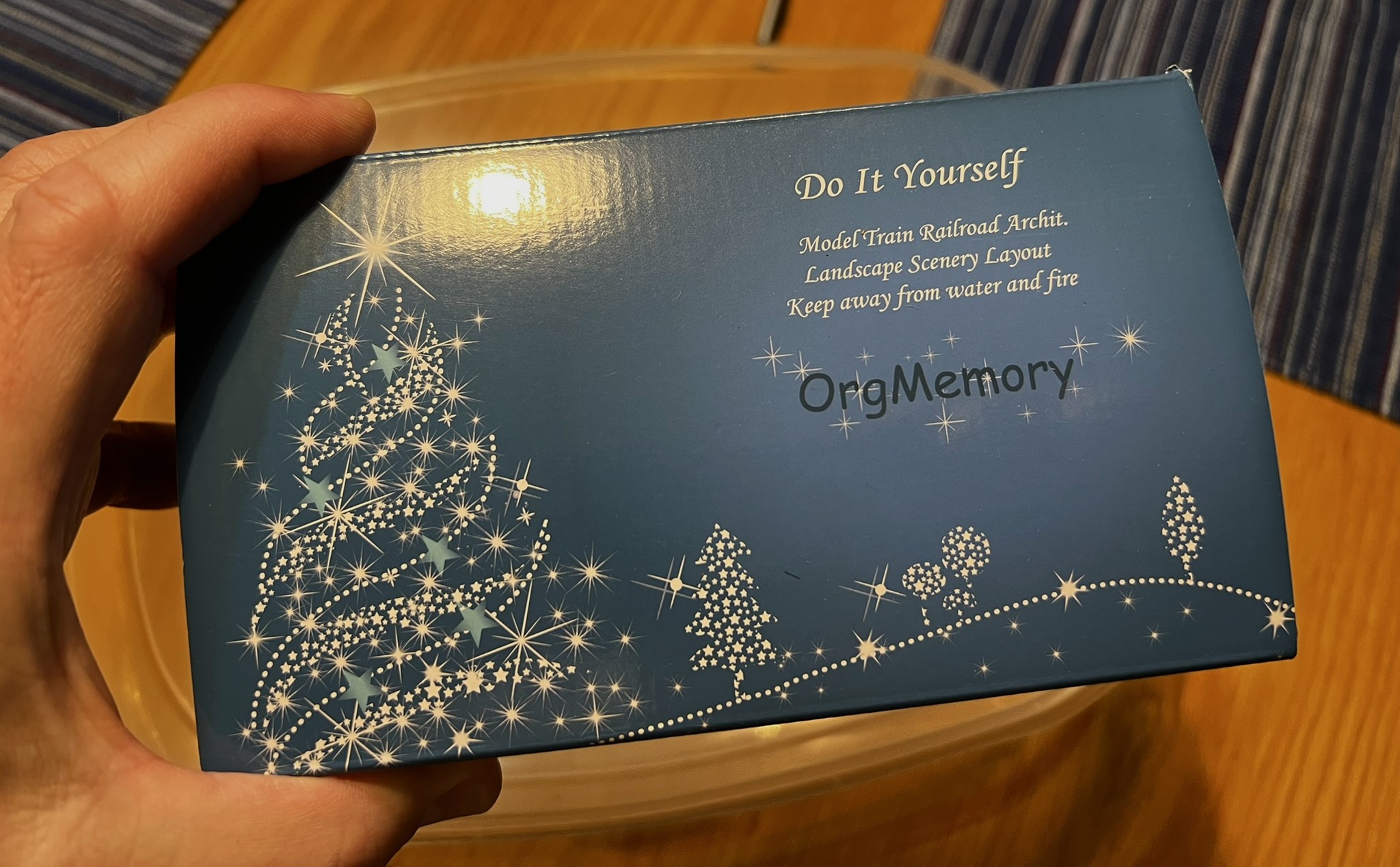
Some of you may remember that for my Conquistador/Maya game, I built some sandy scrub-like terrain pieces, that had a few palm trees. These did not look like an oasis to me – so I decided to make some that did. I found some model landscape palm trees on Amazon from OrgMemory.
The OrgMemory palm tree box.
The plastic palm trees would need (similar to the previous situation with the cacti), a sepia wash. To ensure that a sepia wash would adhere properly, I washed all of the palms in soap and water and let them dry. This would also let me figure out what sizes would be best to use on this scratch-build.
A mass of trees ready to wash……and drying. Now I needed somewhere to put them and to determine the appropriate mix of types and sizes. The little prongs on the bottoms of the trees would help later with mounting on the oases.
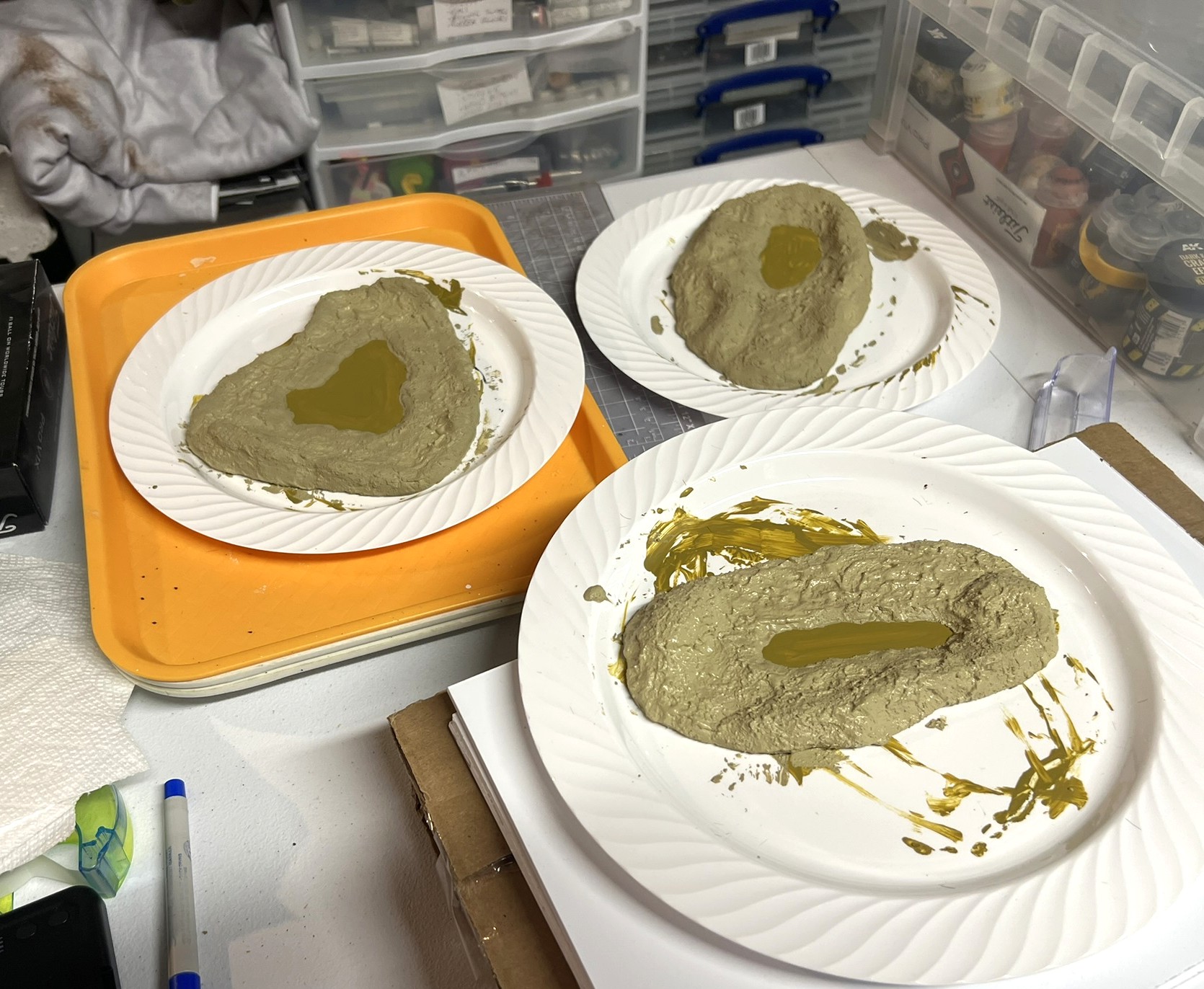
While the palm trees dried, I used my scroll saw cut up four polystyrene sheets into random shapes for the oases’ bases (that rhymes?). Apoxie Sculpt was applied on the sheets to create the shapes of the terrain. In the end, I only used three of the four sheets. I’ll save the other for later use.
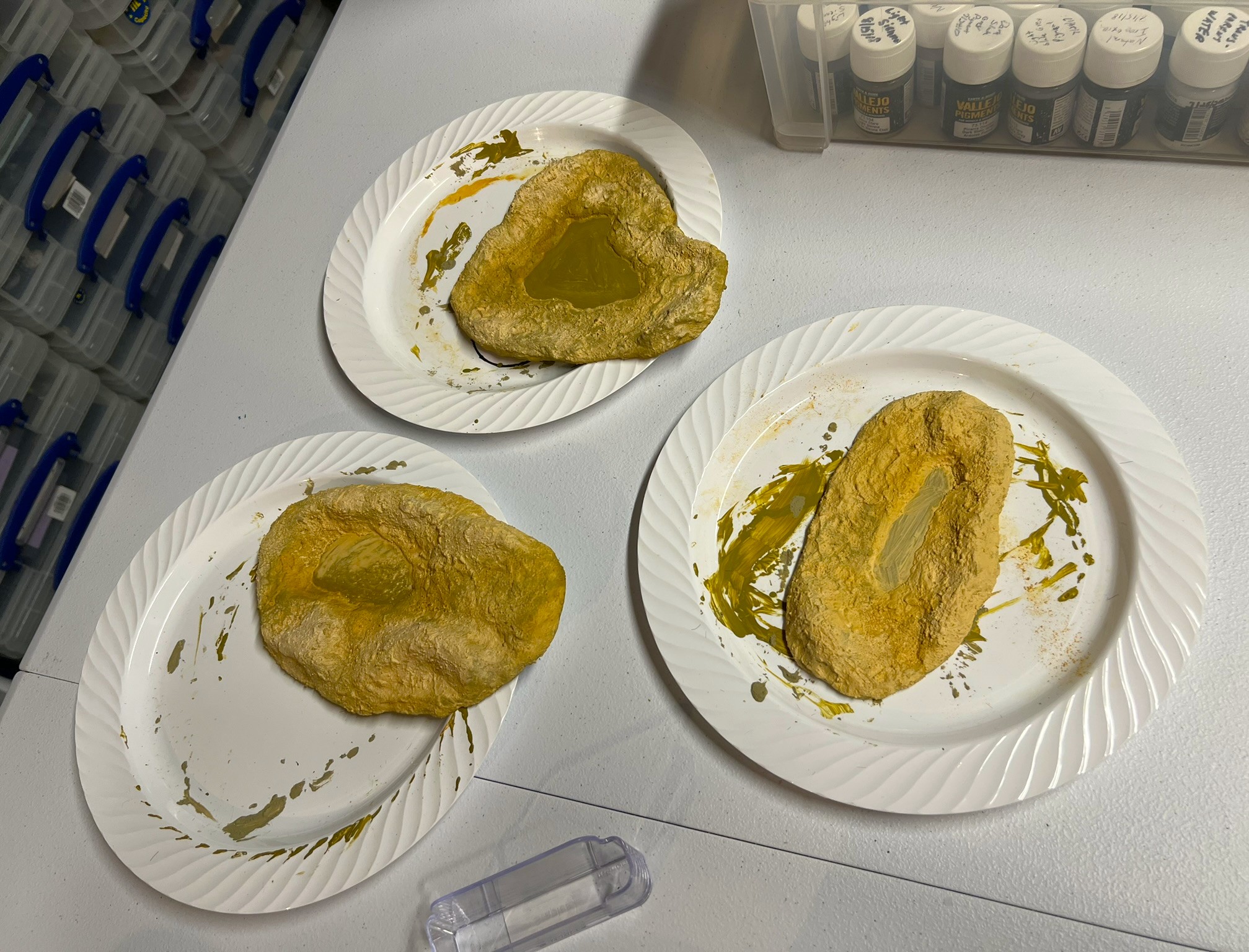
The polystyrene sheets cut into shapes for the oases.The Apoxie Sculpt setting up and hardening as shaped on the three oases. It cures in 24 hours.Once the Apoxie Sculpt had cured, I primed all three with a light yellow primer – and let that cure before adding the desert paste.Here you see the AK dry desert paste applied and starting to dry.Once dry, I added three different pigments (similar to my desert bases and scatter terrain), and let the pigments set.The next step was to paint the bottom of the water holes a distinct turquoise in anticipation of adding the Vallejo Still Water product later. I wanted the water to really stand out color-wise.
Once all the flocking was in I added the Vallejo Still Water in – mixed with some Secret Weapon Washes blue ink.
I then mixed and matched the palm trees to see what worked. The cured Apoxie Sculpt was pliable enough – yet strong enough – such that I was able to use an awl to make the holes for the trees’ prongs you saw above to set in the oases. This allows them to be removable, which is a plus, while the holes stay strong for reinsertion of the trees.
Completed!
Lastly, here is a video of them and a brief description by yours truly:
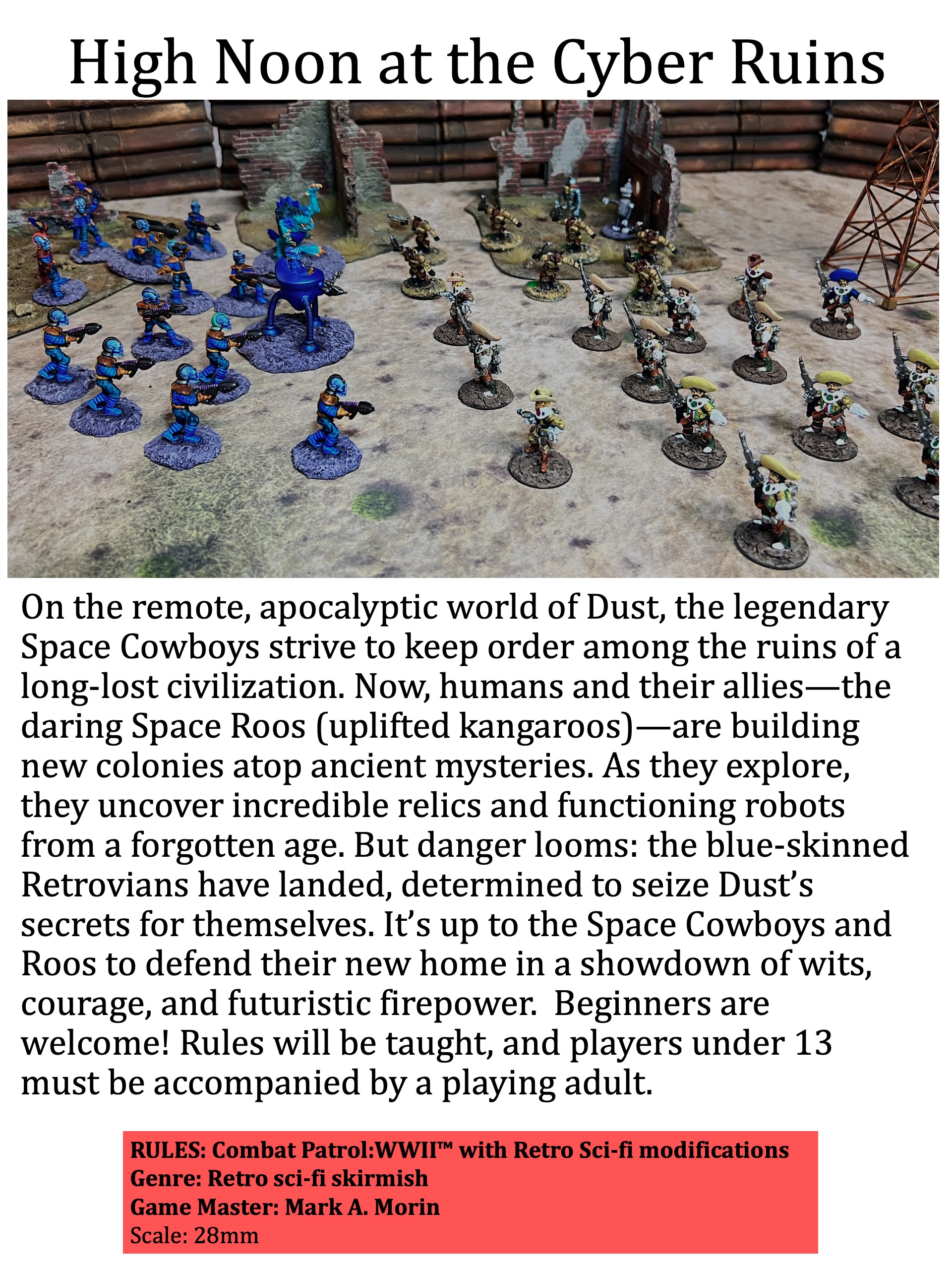
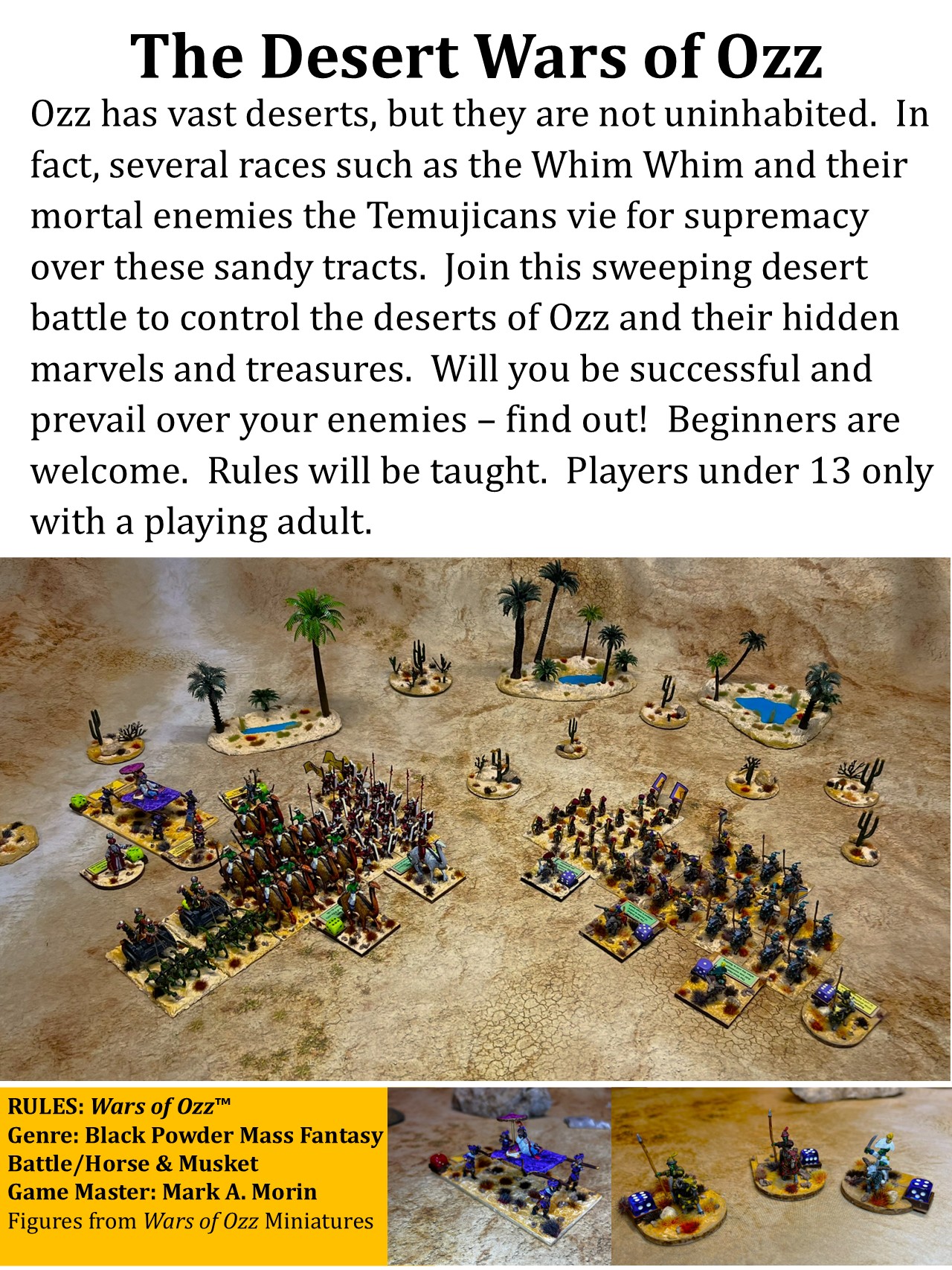
These three oases are the objective markers for my game, “The Desert Wars of Ozz“. The flyer for that game is below. You can see the some of the cactus bases and the oases – though they lost some color on the flyer being in the back.
“The Desert Wars of Ozz” game flyer.
I will be running this game (or a similar one) at multiple gaming conventions this year.
Tree Builds and Rehabilitation
My tree collection that I have used for years was in need of rehabilitation. The other gift from Mom was a JTT product that you see below:
The tree package.
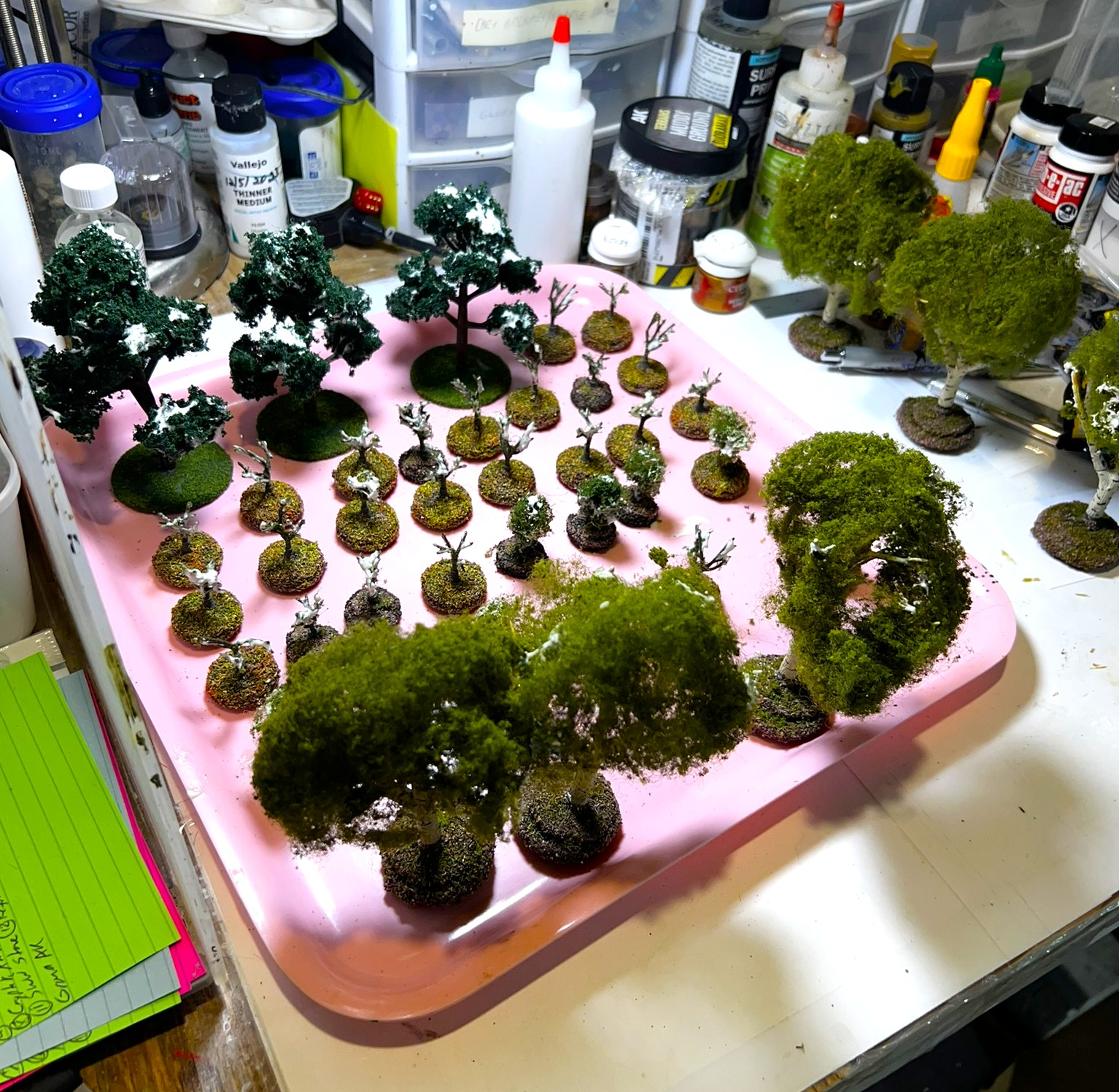
These were nice trees, but the foliage was a bit stringy in places. Plus I needed to wash the plastic limbs and trunks down with sepia and a darker wash. I assembled and mounted these three on large 2″ steel washers. Then I went to my tree collection and stripped off the stringier foliage on the older trees I already had. I applied Woodland Scenics Hob-E-Tac to the older trees and the newer ones. After the glue had turned clear, I used Woodland Scenics Light and Medium Green clump foliage to finish them off. There were 32 trees in all.
The stripped trees with the three new ones in the back – all with Hob-E-Tac drying.The post-makeover trees.
As trees are just so essential to a tabletop, I was happy to have these in better shape for my games going forward.
That wraps up part 2 of this mini-series on terrain. I think I got a lot done here and it was fun. The cactus bases and the oases also qualify for Dave Stone’s annual “Paint What You Got Challenge”. Please, check it out – Dave is a great guy and runs this every year between Christmas and the end of February.
If you have any suggestions or feedback, as always, let me know in the comment section.
And part 3 (the last one) in this series will be coming soon…
Final Note
Want to learn more about Ozz? Well, if you do want to check out the excellent Wars of Ozz figures’ range – there are two places to get them and to get the rules (and I make no money from this). The game rules and the figures are available from the next two places:
Below you’ll see the list of paints and the like that I used on these – and they are more useful for me when I need to recreate a color scheme in the future than maybe you – but in any case that’s why I post them.
Miscellaneous details and references for those interested in that sort of thing:
For all of my earlier posts on Wars of Ozz games, figures, units, and other related projects – please see this page.
PAINTS, INKS, GLAZES, SHADES, WASHES, PIGMENTS, FLOCKING, GLUES AND MORE THAT I USED ON THE CACTUS SCATTER TERRAIN BASES:
2 packages of Cacti/desert bushes from JTT Scenery (SKU 95666)
Homemade wooden hex base
1½” wooden disks from Michael’s
Games Workshops 3½” Plastic bases
Games Workshops 2½” Plastic bases
Unknown 1¼” Plastic bases
Unknown 1½” Plastic bases
Unknown 2¼” Plastic bases
War Games Accessories Steel Bases (FOW1)
Citadel “Seraphim Sepia” (shade/wash)
Vallejo Surface Primer “German Dark Yellow”
PVA Glue
AK Terrains Diorama Series “Sandy Desert” (texture/basing paste)
One of the most fascinating aspects of the Spanish Conquest of the Aztec Empire is the story of how Hernan Cortes and his Conquistadores built a ragtag fleet of small brigantines to seize control of Lake Texcoco. This body of water – (located then where Mexico City is now) – in the 16th Century surrounded the Aztec island capital of Tenochtitlan. To defeat the Aztecs, Cortes knew that he must control that lake as well as the lands around it. But how?
Cortes realized that he needed to build a fleet. To accomplish this, Cortes used scavenged lumber from his previously-scuttled seafaring vessels to build small brigantines in pieces in the safe haven of his native allies in Tlaxcala. The ships’ prefabricated pieces were then man-portaged by the Tlaxcalans to the shore of Lake Texcoco. Here they were assembled, and made ready for combat on the lake in the spring of 1521. Then, Cortes simultaneously sent land-based conquistadores to attack Tenochtitlan’s causeways while launching his brigantines to attack Tenochtitlan. These ships were manned by conquistador infantry and had significant firepower – to include lombards and falconets with their crews. In Cortes’ way were swarms of Aztecs in hundreds of war canoes waiting to swarm over the Spanish vessels.
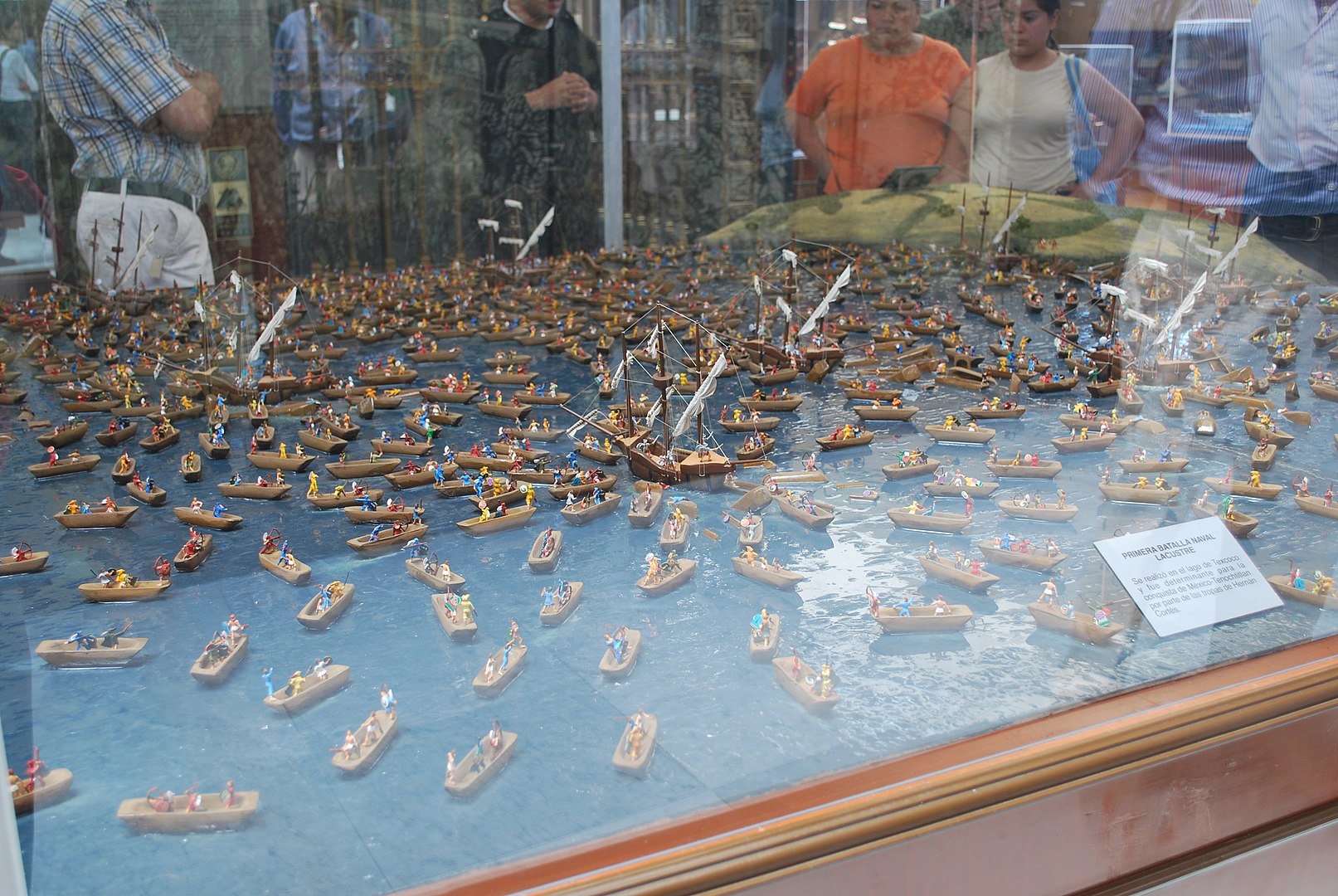
A photo of the diorama of the Battle of Lake Texcoco at the Mexican Naval Museum. This photo inspired me!
Looking at this image, I had a good concept for the war canoes – and I decided to that the Spanish would likely would have used simple designs for their prefab brigantines – like medieval cogs.
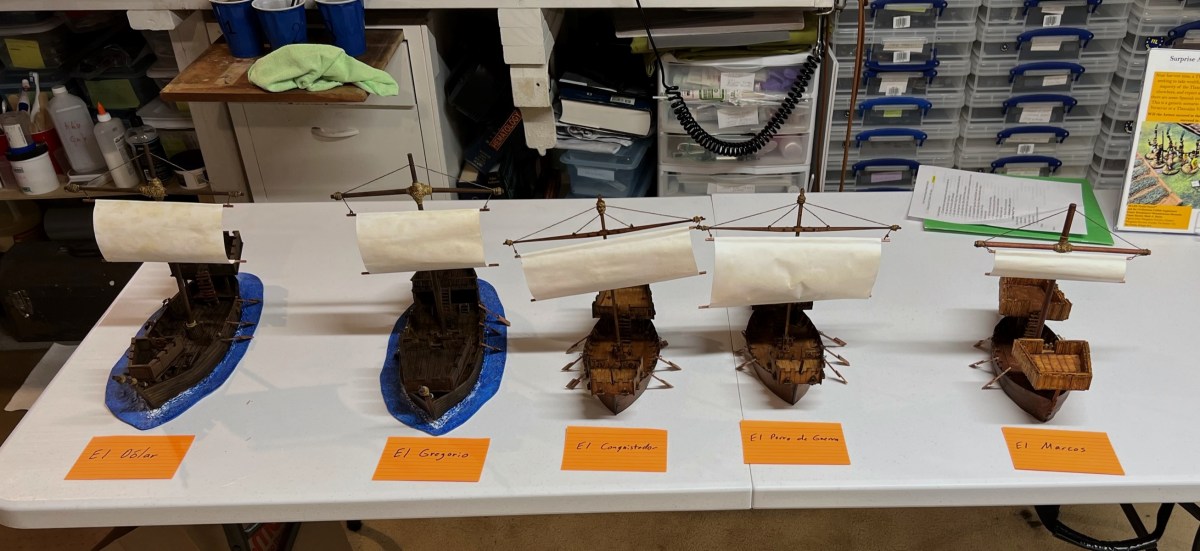
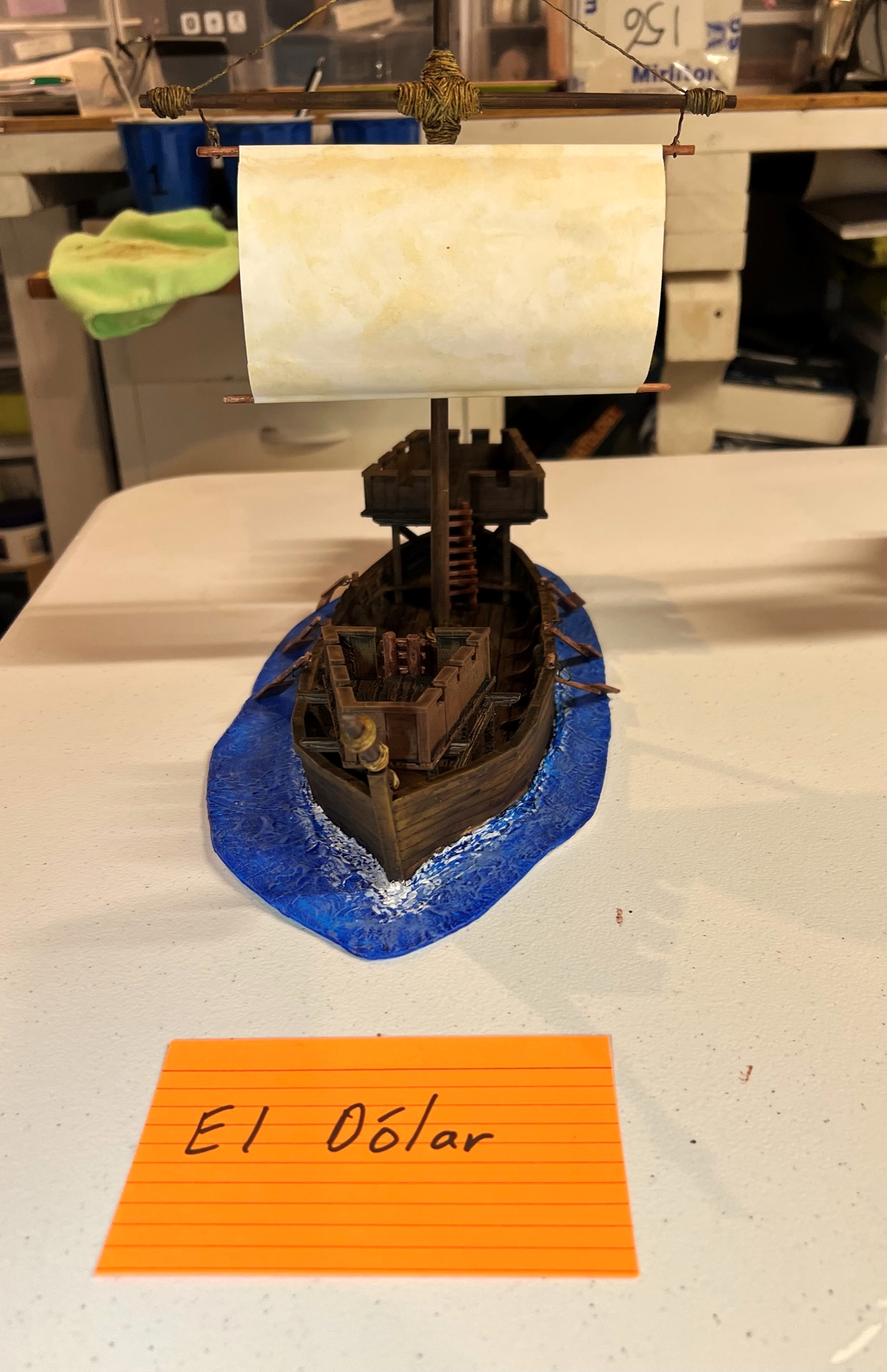
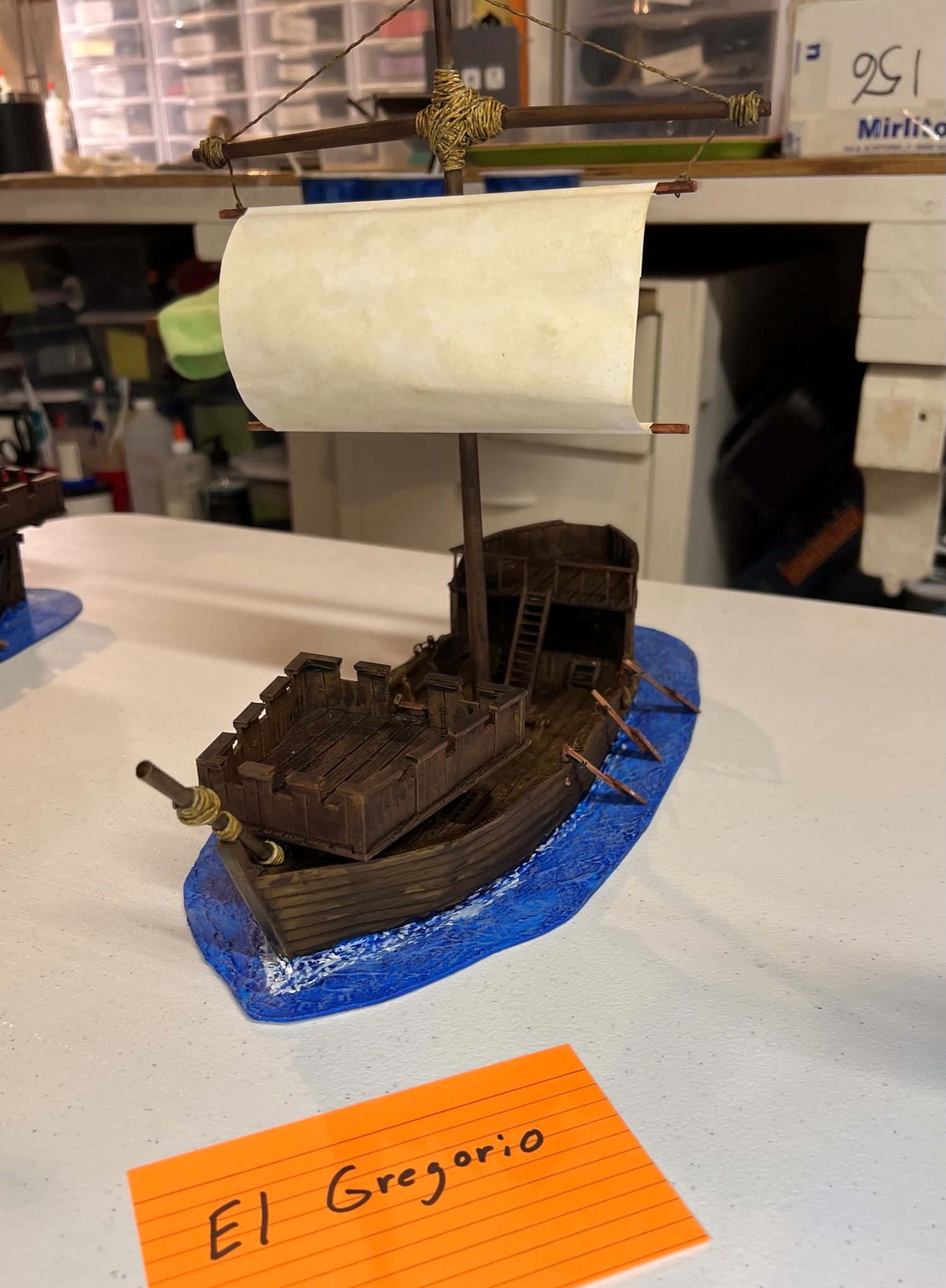
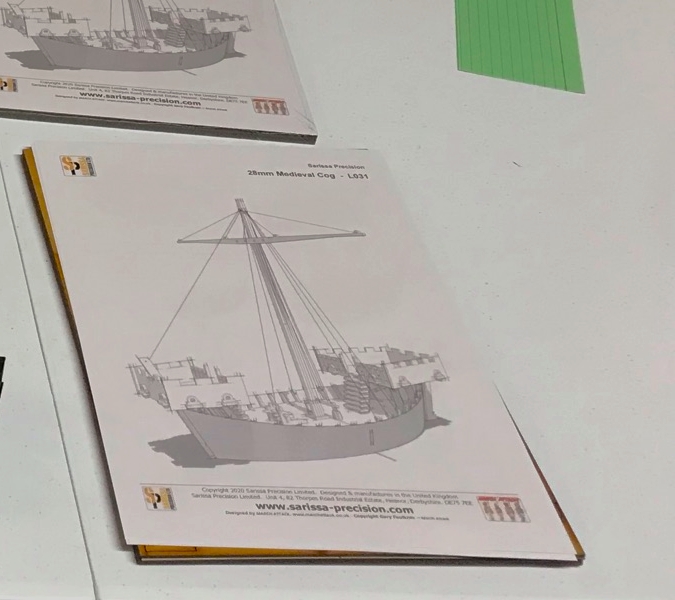
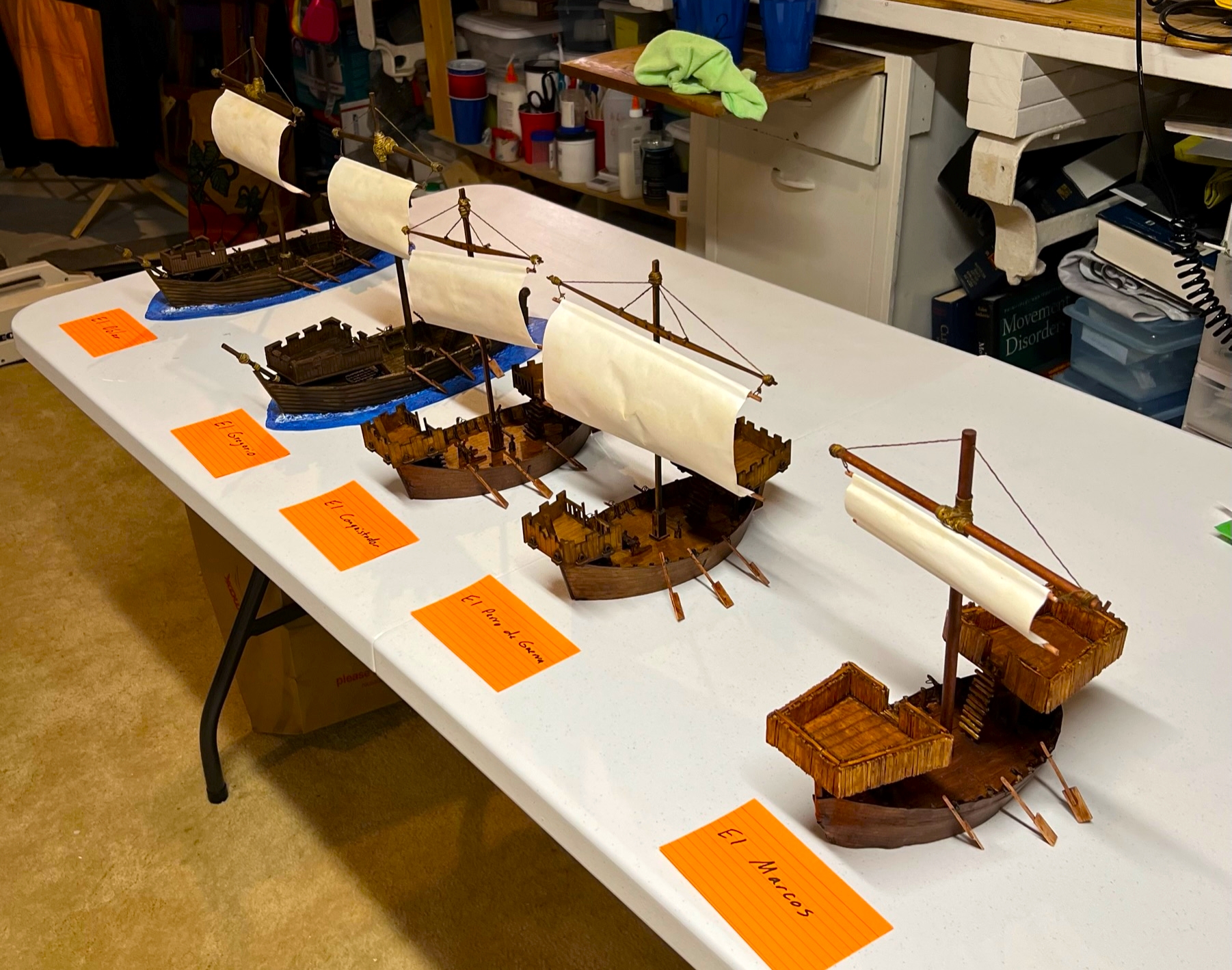
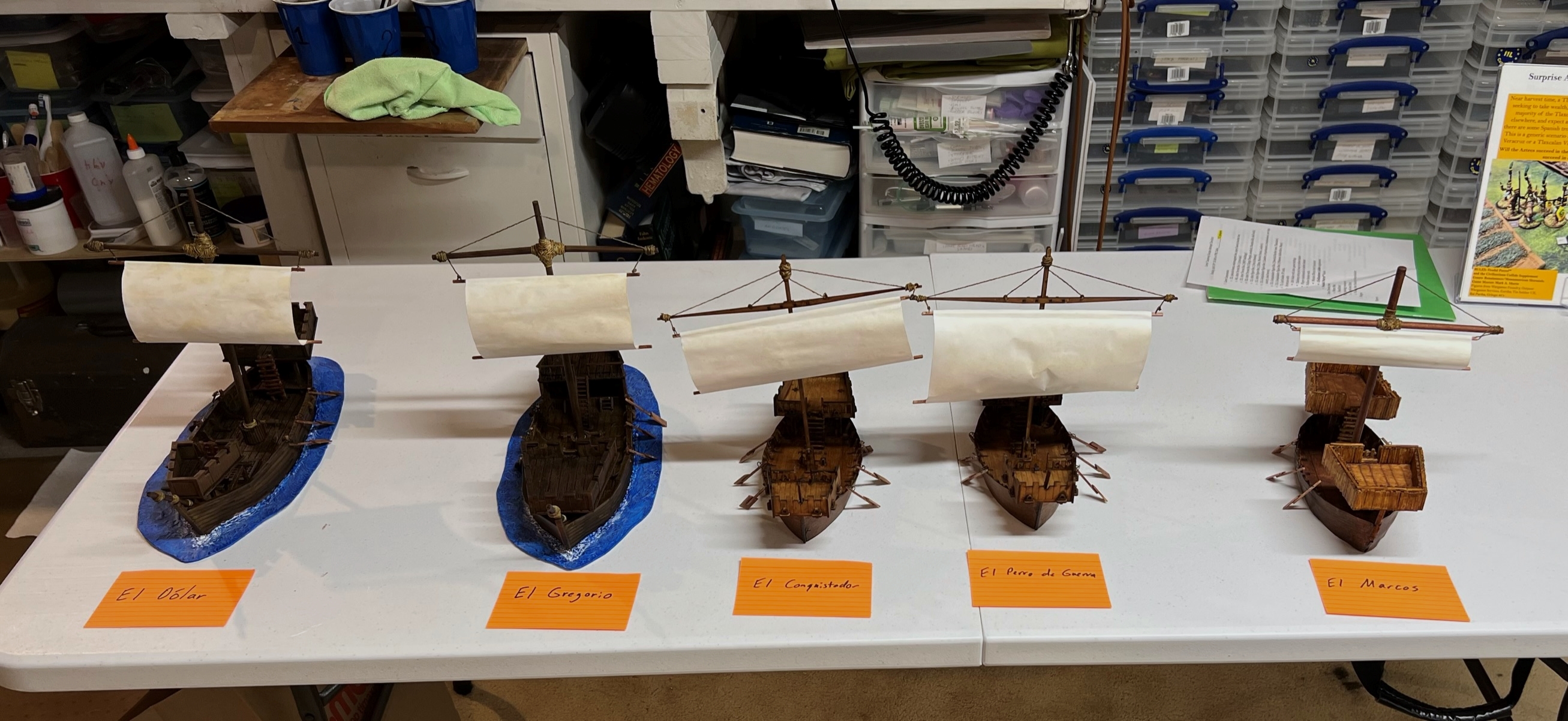
I decided that for a game I would need 5 brigantines to go up against my 21 war canoes. Sourcing these ships became a challenge but help arrived from Buck Surdu and Greg Priebe who kindly offered to assist me in the way of two different 28mm scale medieval cog models that were 3D printed! Meanwhile, I found that Sarissa had a medieval cog kit (#L031), and I ordered two. By early March of 2022, I had all four ships in the building queue, and I had decided as well to scratch-build one as well so that I would have a varied fleet of five. Naming them became the next step – so the 3D models became (for obvious reasons) El Dólar (The Buck) & El Gregorio (The Greg). I named the Sarissa models El Perro de Guerra (The War Dog), & El Conquistador (The Conquistador of course). Lastly, for totally self-aggrandizing reasons that escape me now, I decided that my yet-to-be-designed scratch-build would be El Marcos (The Mark).
I will go through each ship’s build and share some photos and my processes of both building and painting them. Building these and painting these (and building the last one) were FAR more work than I had imagined at the start. Still, I think the MANY pics below will tell the story (it was a big project).
El Dólar & El Gregorio
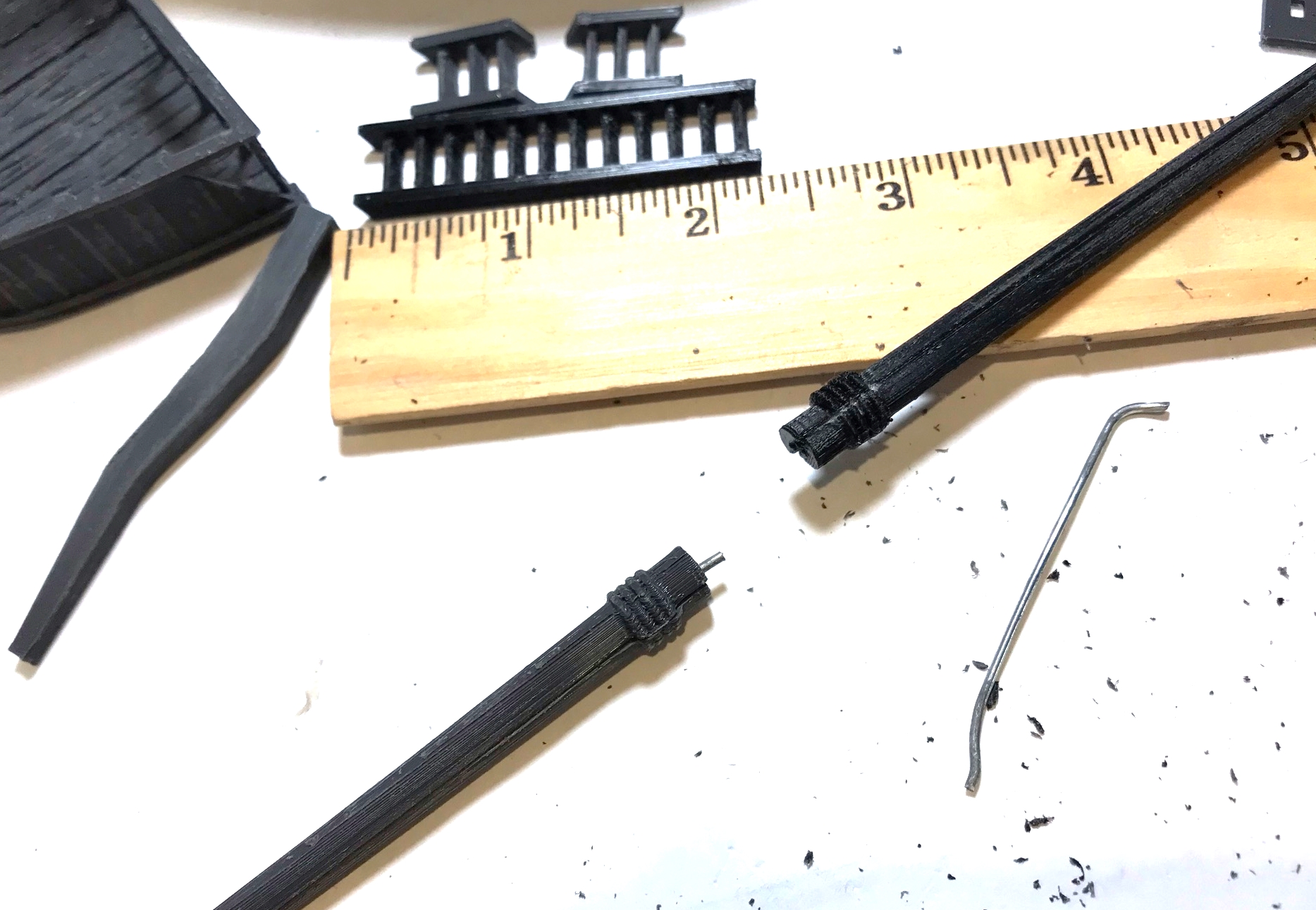
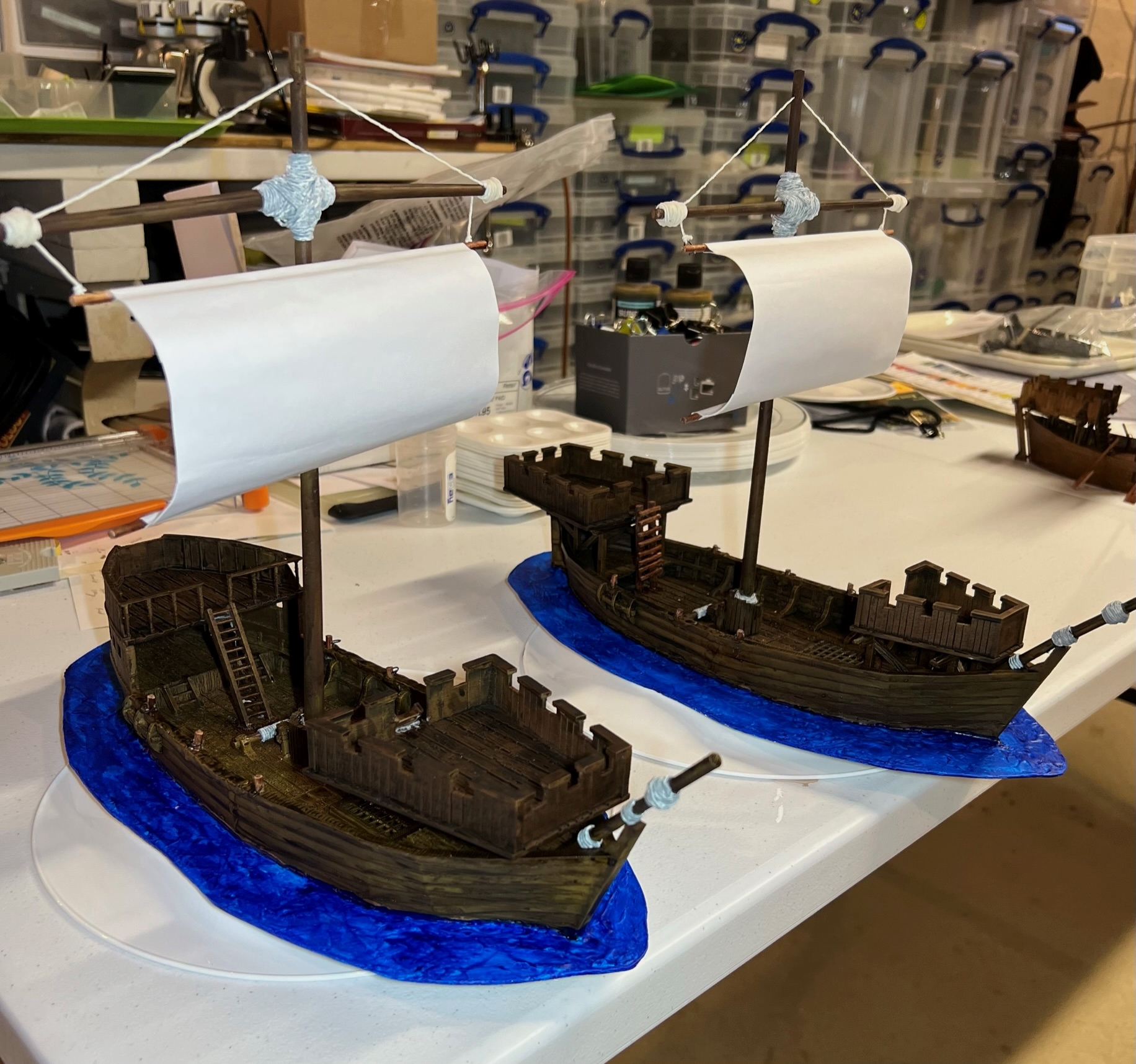
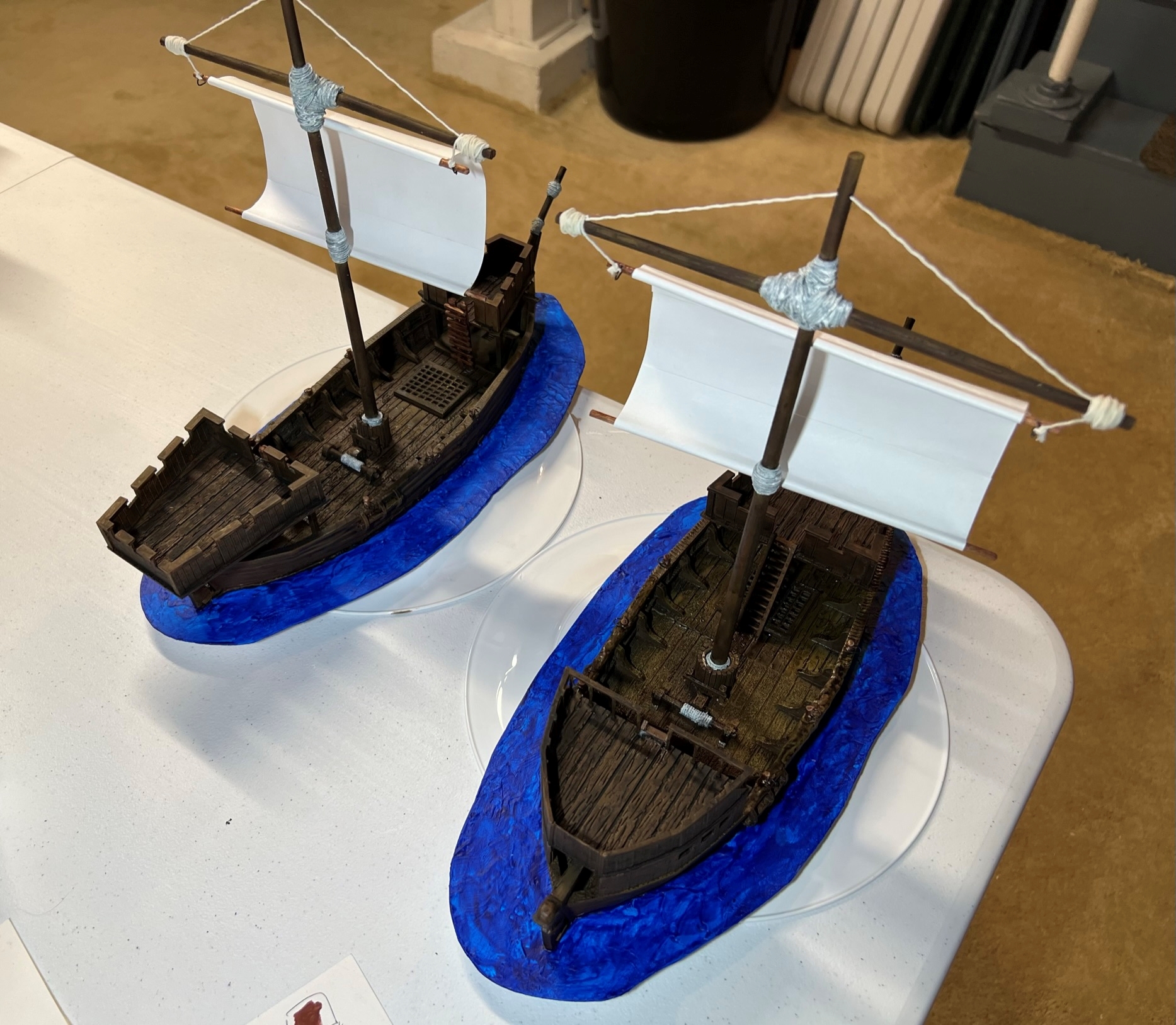
These two had similar hulls, but different forecastles and stern castles. They came in bags that Buck and Greg had put together – and I needed to figure out how to assemble them by looking at photos from the 3D printer file. I decided that I would double-prime them then paint them with a series of airbrush browns. I also would modify all of the brigantines to have rowers as well as sails as historically that was the case.
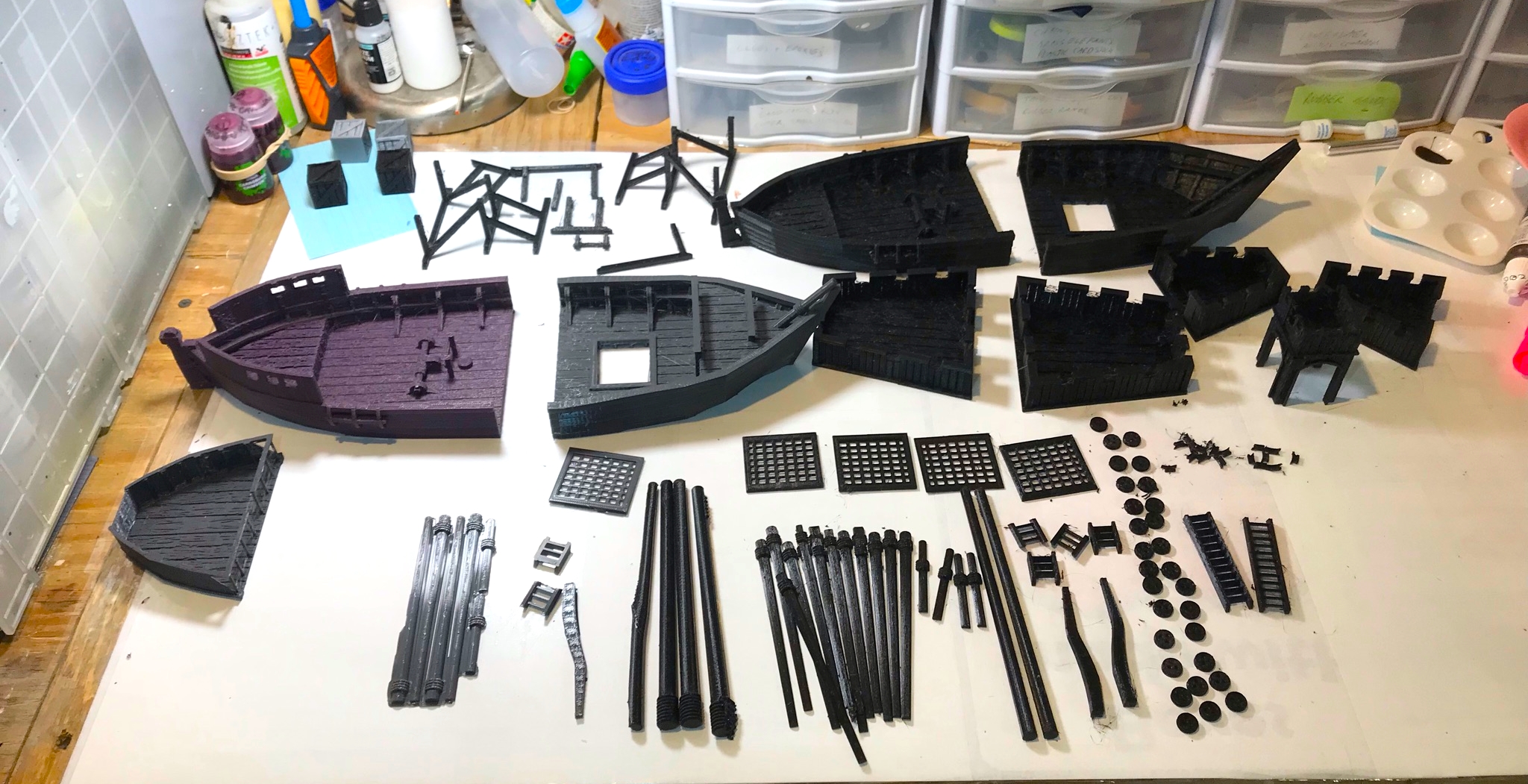
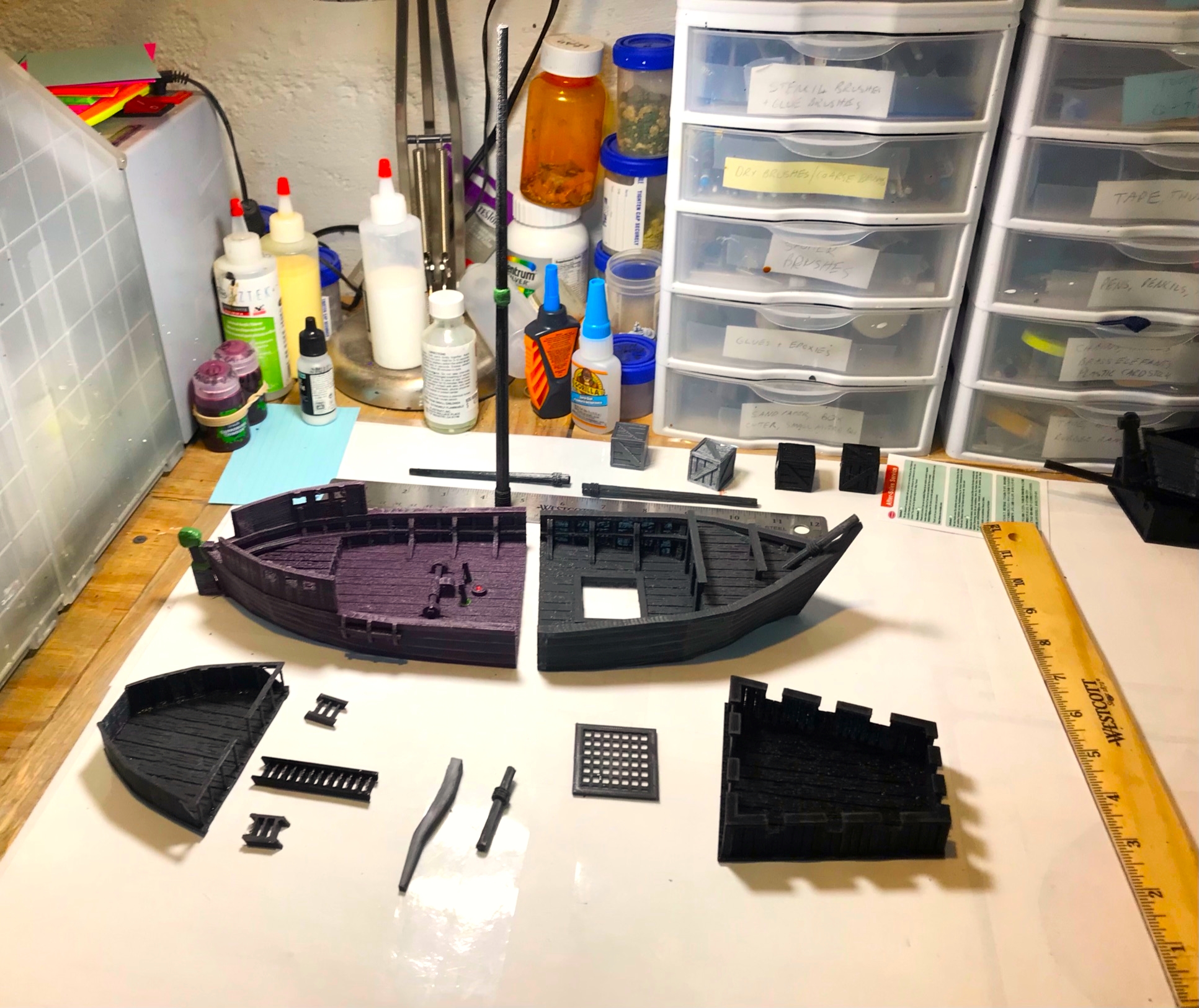
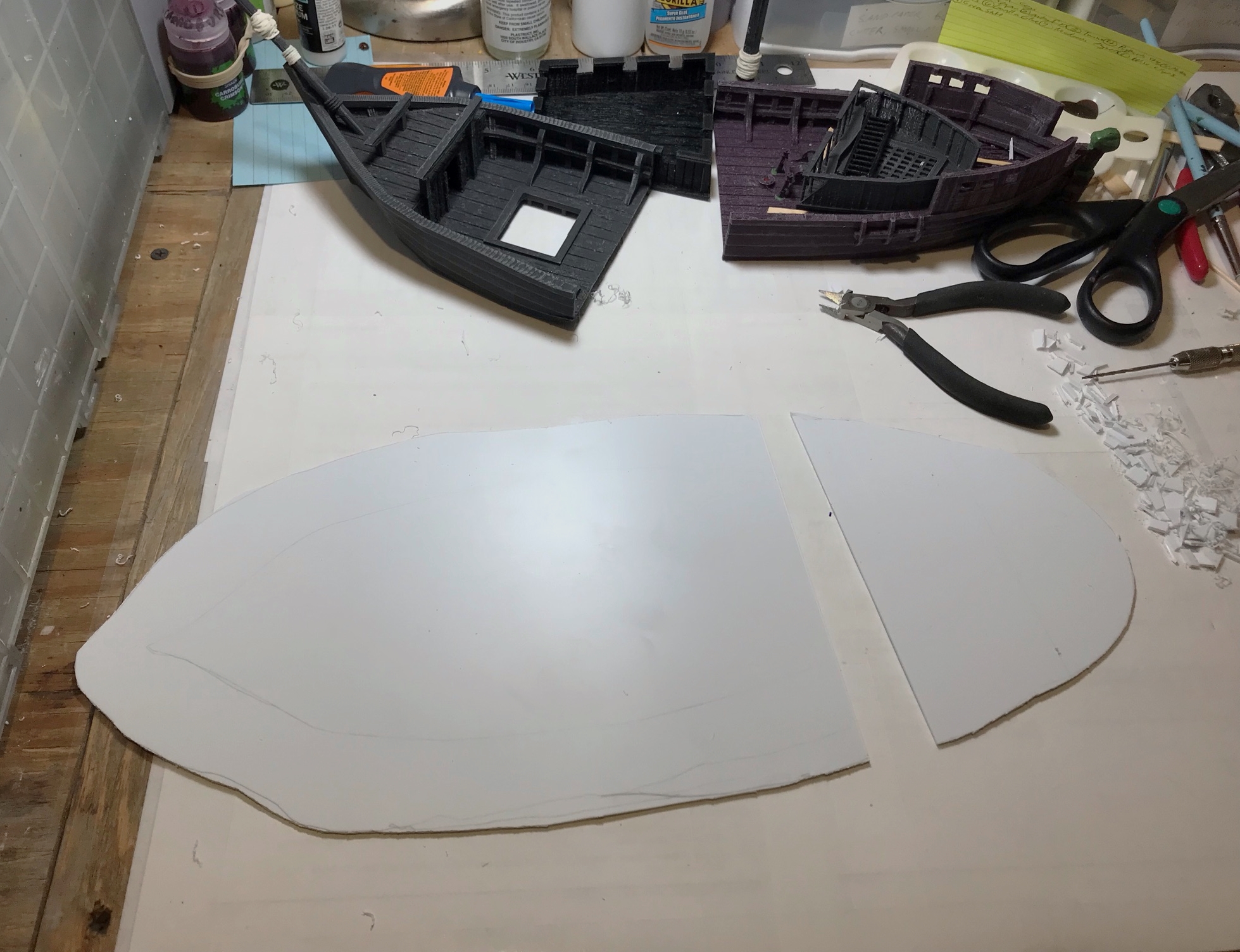
Lots of 3D printed pieces to figure out!! It turned out I would use most – but not all of them. On the left is El Gregorio with the half-purple half- gray plastic hull, with the black El Dólar hull at top. There were multiple stern and forecastle options.El Gregorio showing sanding after washing the plastic.El Gregorio mock up. I had already glued the mast pieces together and used green stuff to secure the different pieces. I also had drilled out holes for neodymium magnets in the main mast and the hull, and inserted these as you see here.
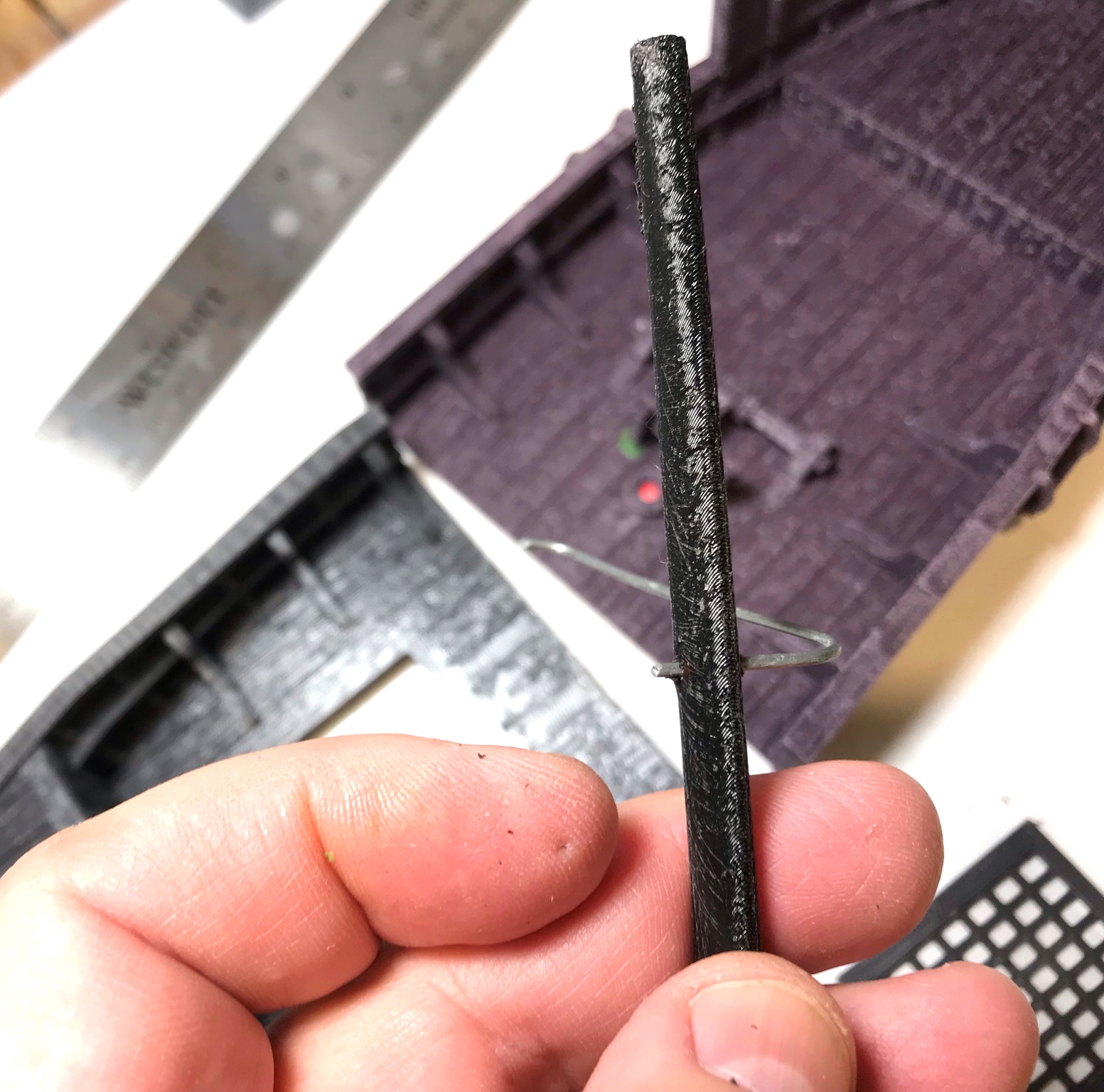
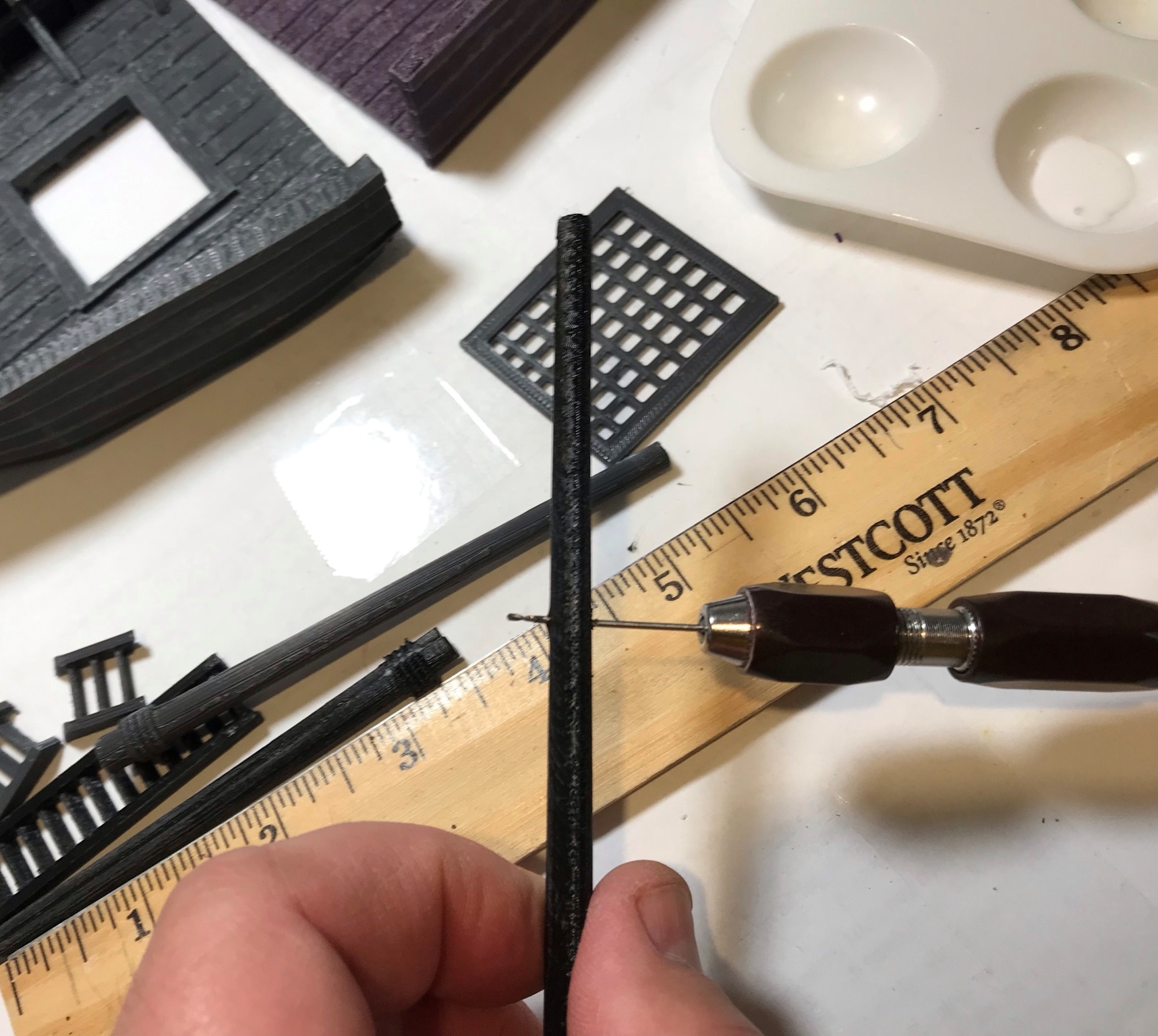
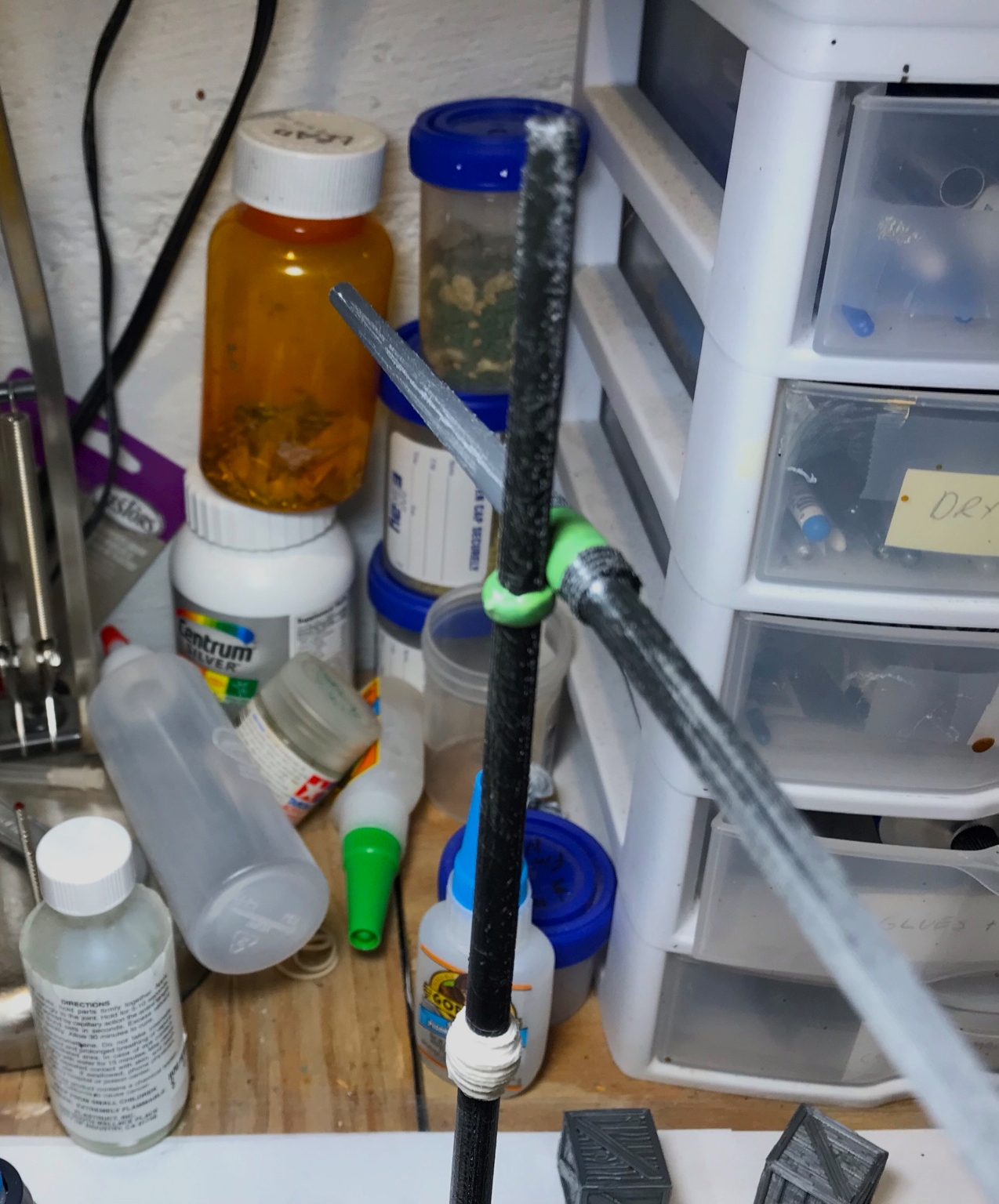
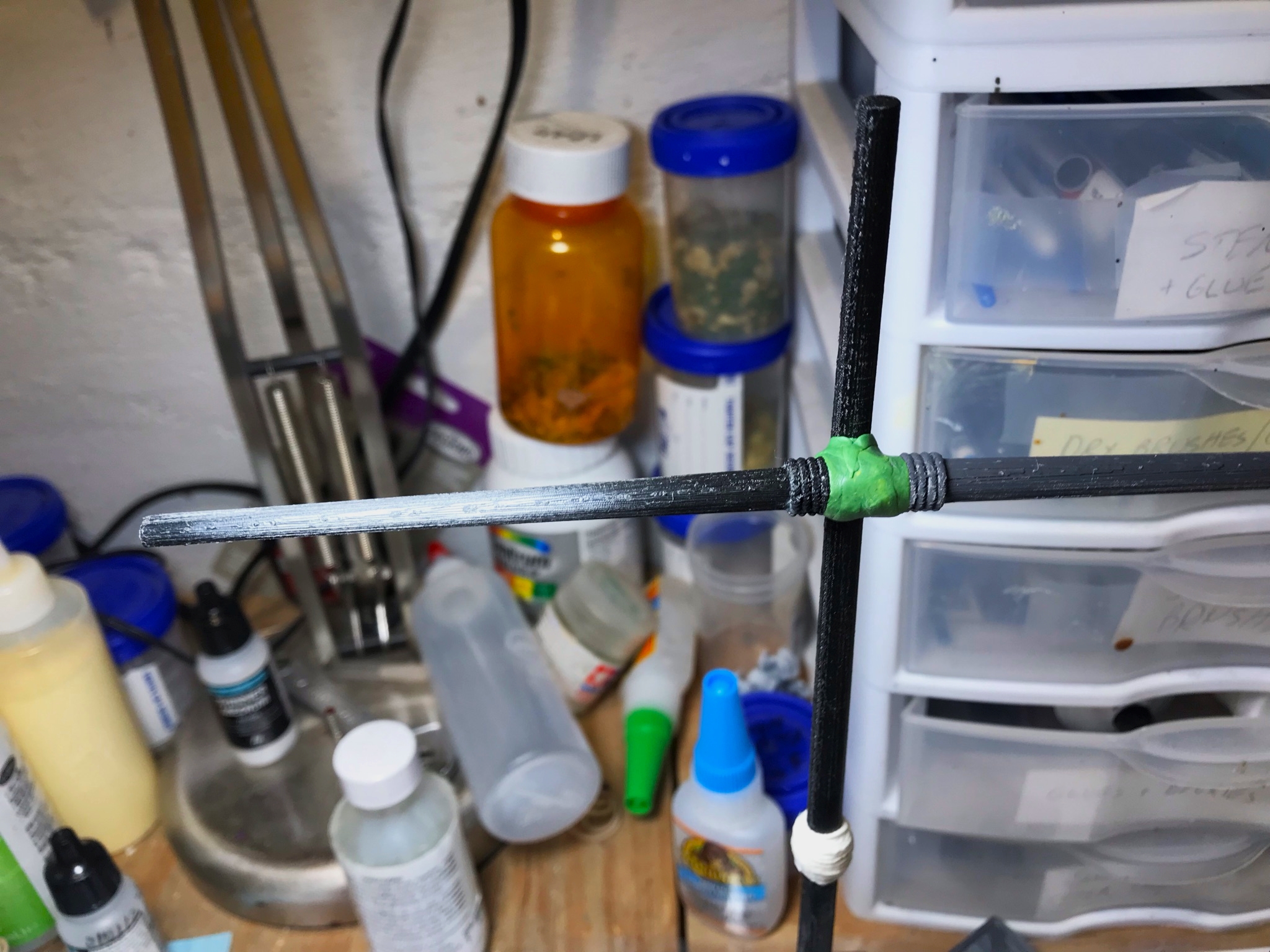
I ended up needing to do a lot of drilling, pinning, and sculpting with green stuff to create the masts, and yards/spars. By the way, if I misname any parts here my defense is that I am a graduate of West Point, and NOT Annapolis! Though if you feel the need to correct me that’s all good – and GO ARMY BEAT NAVY! Ok, back to the builds…click on the pics for a better view.
Mast gluingDrilling out mast for yardCovering where the mast pieces come together with green stuff for strengthDrilling out yards to become one pieceAfter drilling, sealing with green stuffAttaching with green stuffCompleted – well almost – mast. I would also wrapped each rope-type area with cotton twine strands that I had unwound and coated with PVA.
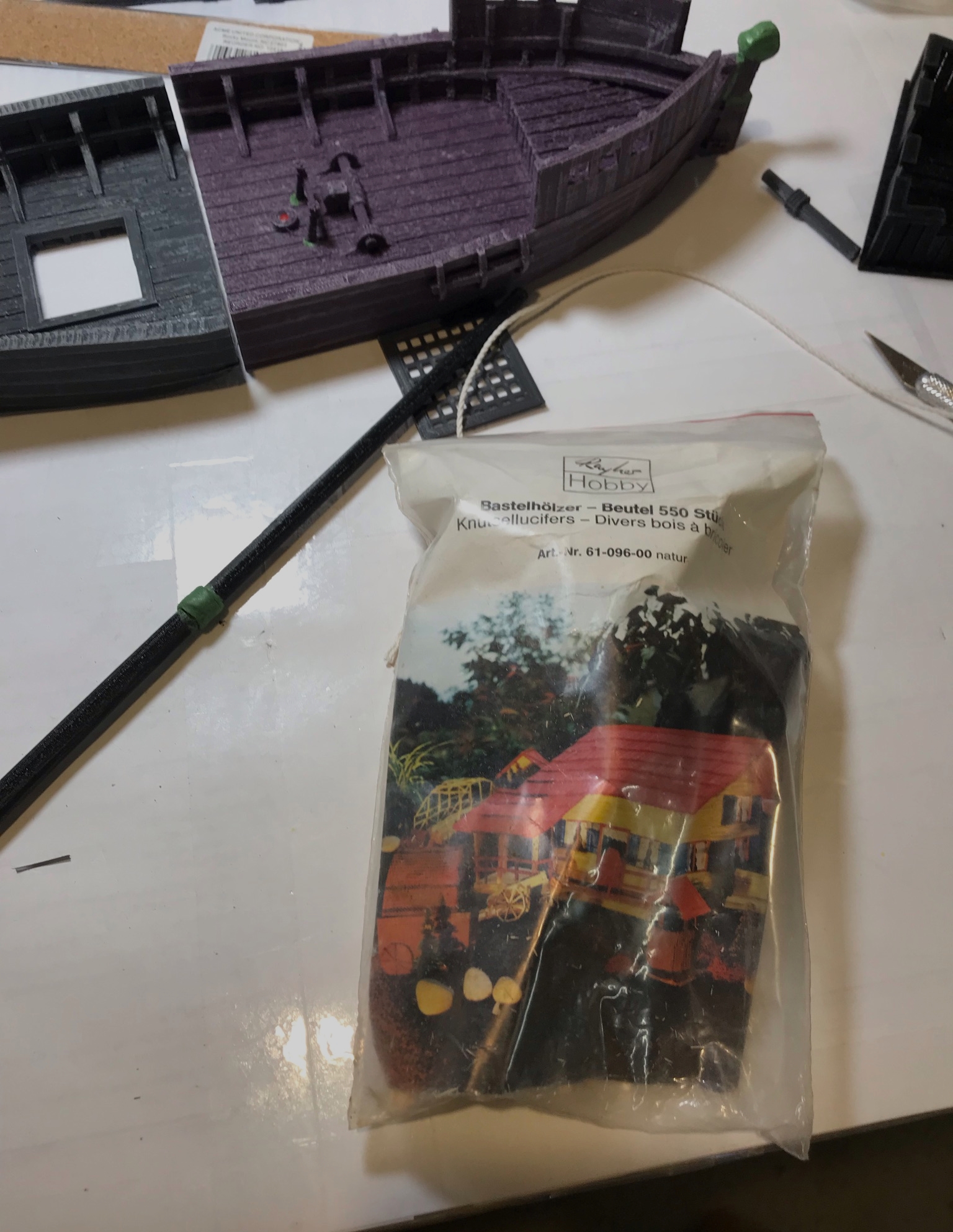
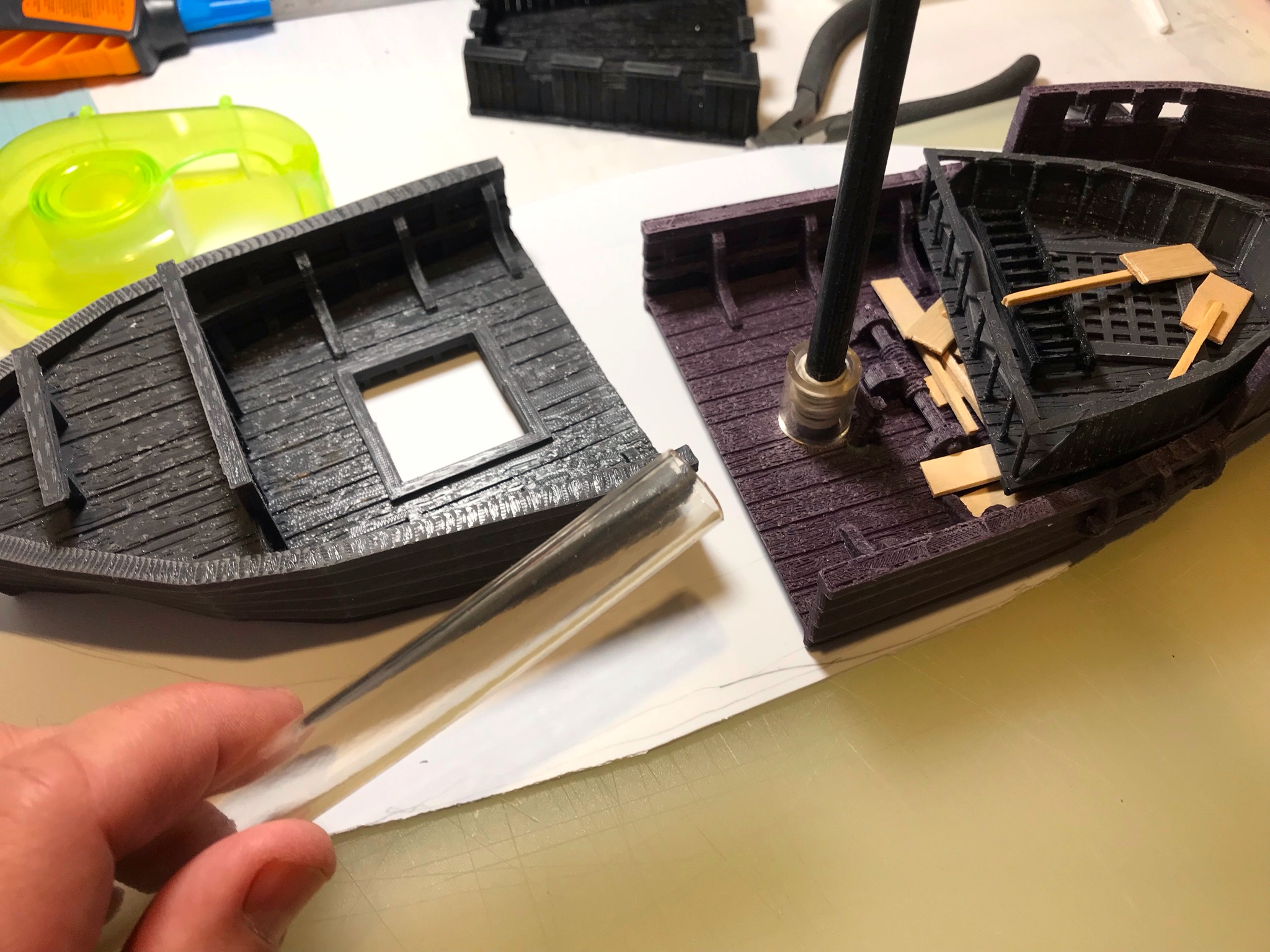
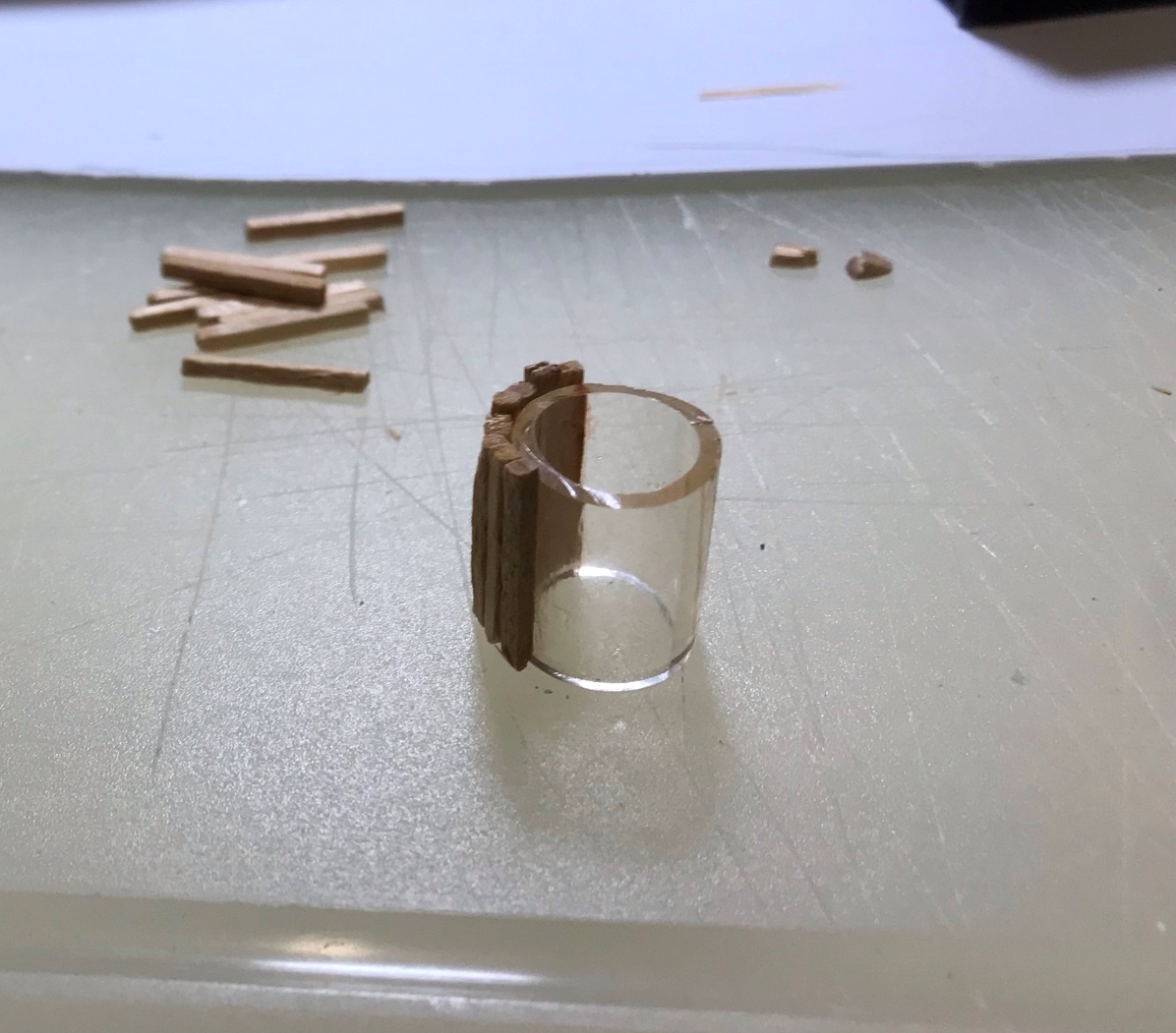
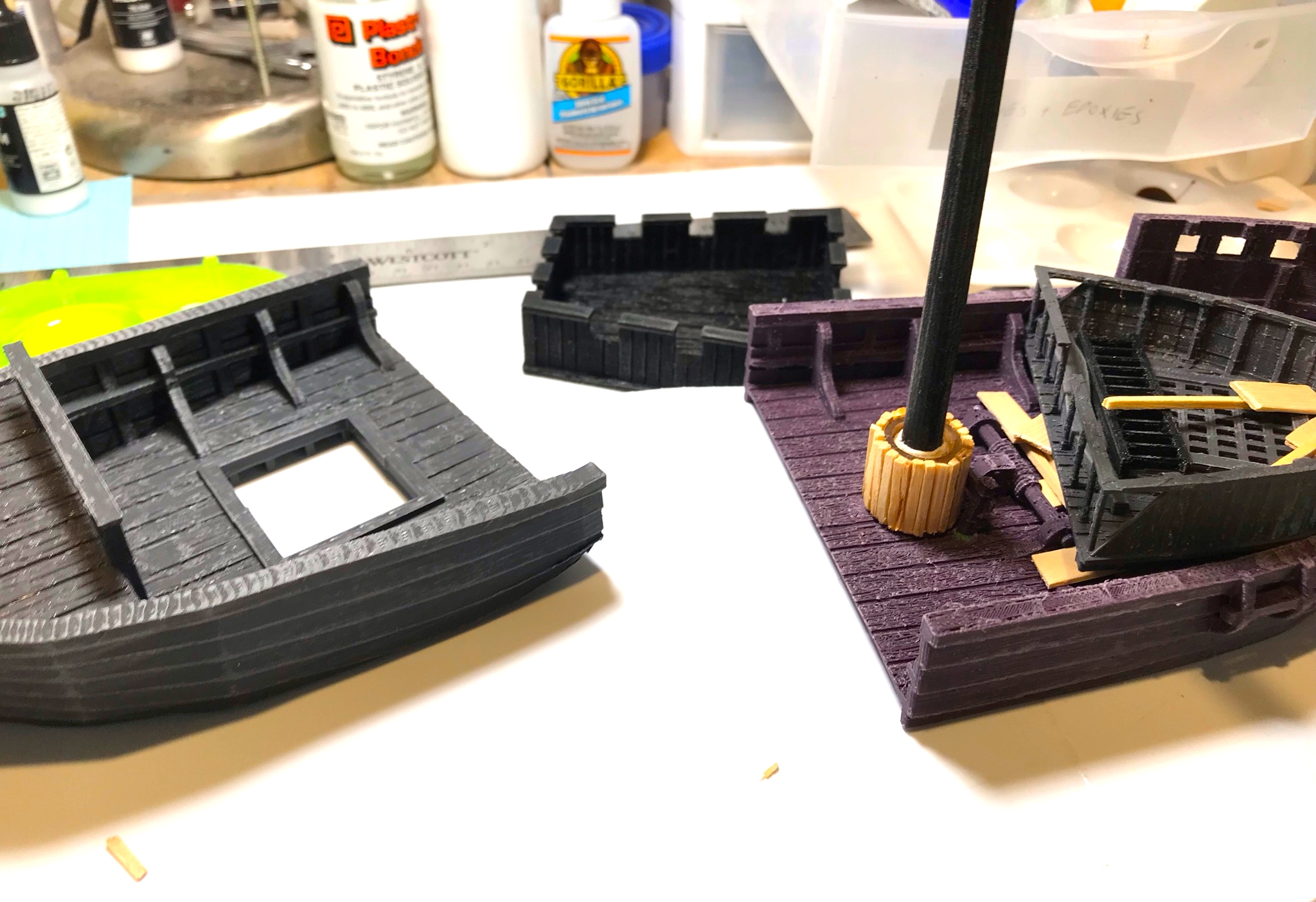
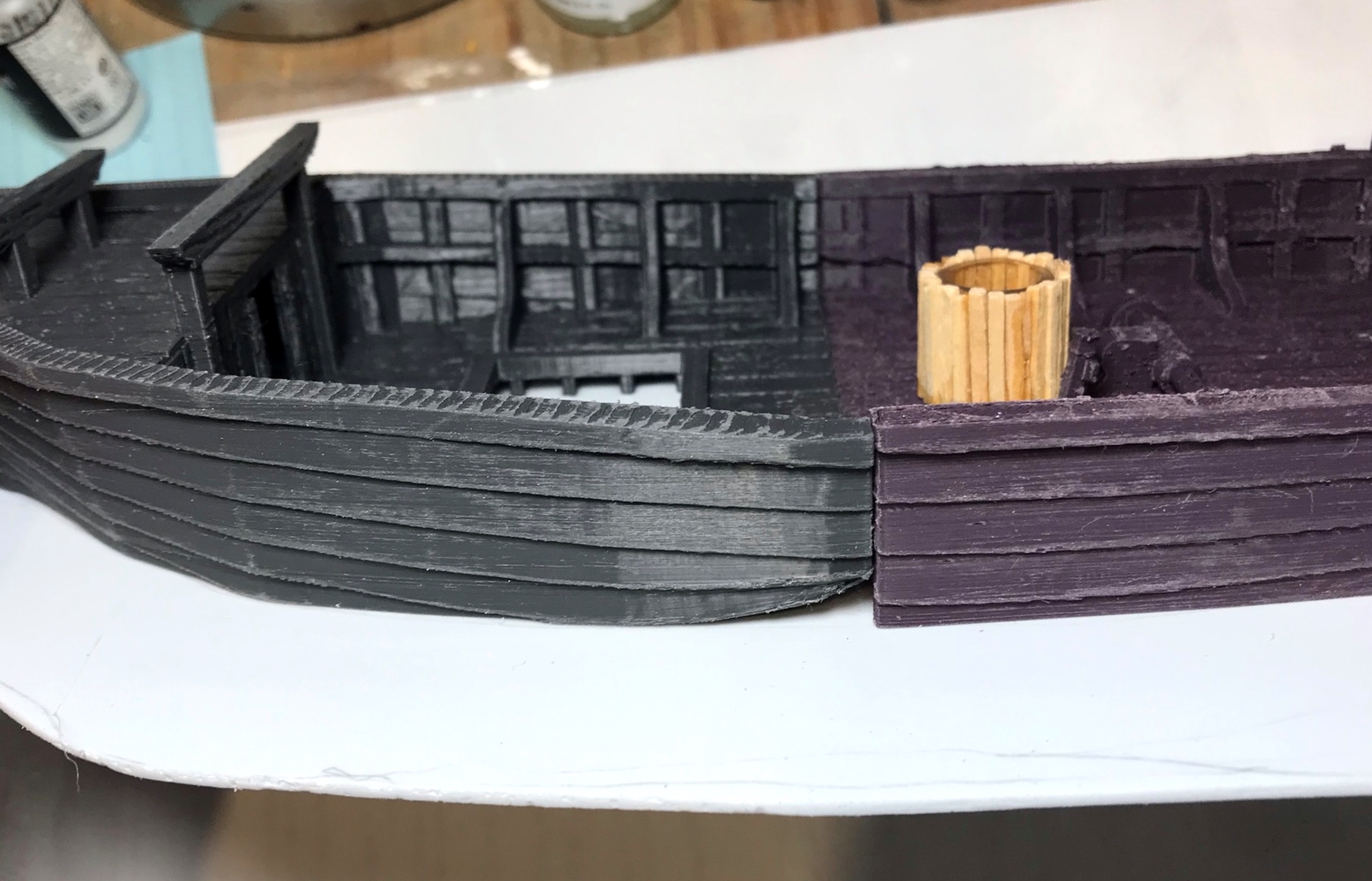
The magnets I had inserted into the mast bases and the decks were insufficiently strong to suitably secure the masts to each hull. While I wanted to be able to remove the masts for transport, the situation was such that the masts would just easily fall over. My solution came in the form of some excess vinyl/rubber tubing I had lying around and hobby matchsticks I had purchased while stationed in West Germany in 1987! Real Cold War era matchsticks REALLY absorb PVA!
Nothing like 35 year old matchsticks!Take leftover tubing…Glue on matchsticksAnd the mast has a support!Side view of the mast support – (would need to fix this gap in the hull)View of mast support
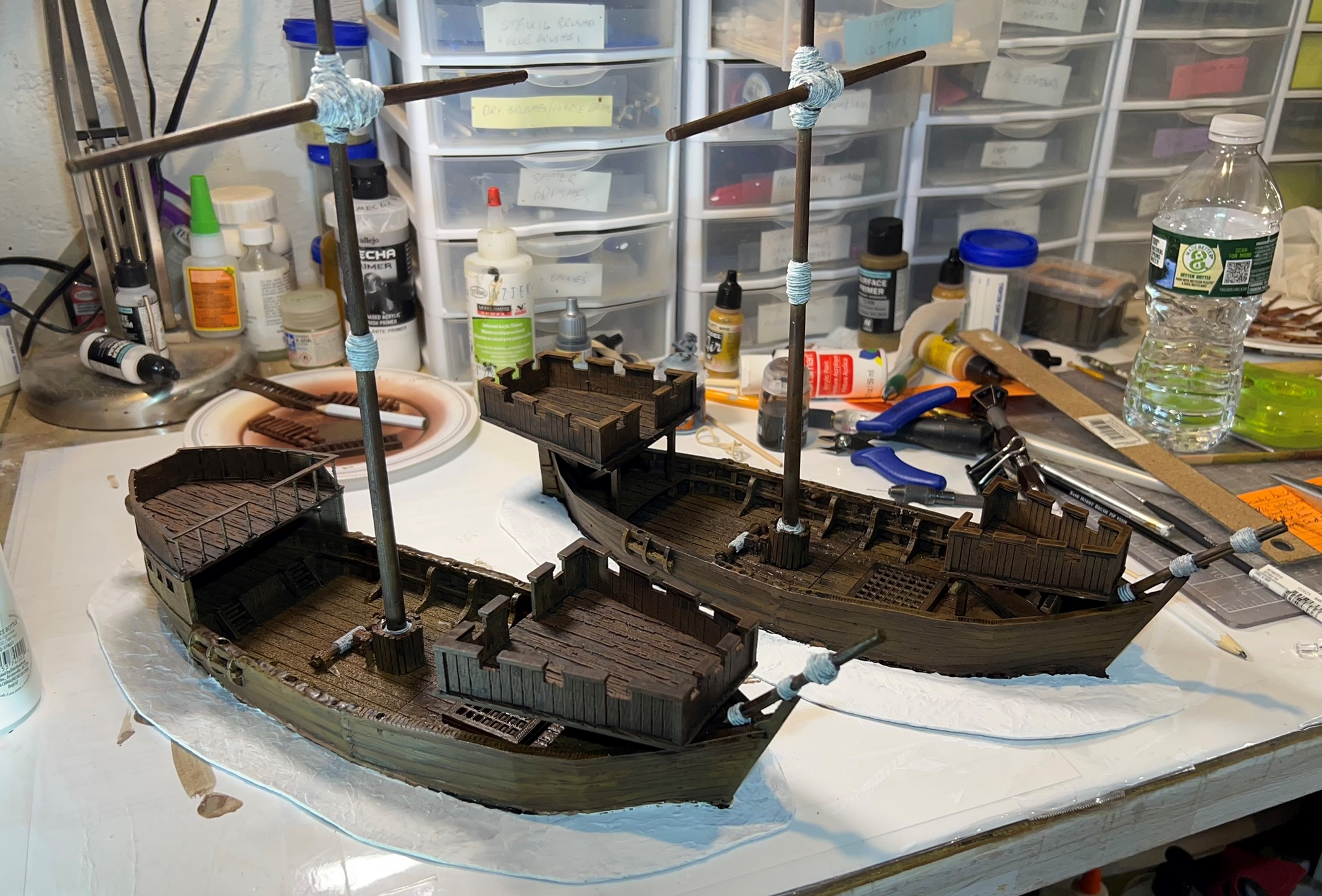
By using the cotton twine fibers and PVA, I was able to custom fit the masts into each support. Importantly, as these two had two hull pieces, I used some styrene sheets to affix them together. This way there was more strength than just gluing together the hull halves. – and I could paint them to look like they were moving through the water. As a side note, I did not give the other three a water base so that I could use them for an Aztec raid scenario where they are in assembly on land and the Spanish are surprised.
I also mocked up the oars and put some together to see how they would go together.
Styrene sheet base halvesOar mock upsEl Gregorio parts ready for primingEl Gregorio on the left and El Dólar on the right ready for priming. The Sarissa kits are on the right (more on them in a bit).
I masked up the twine sections with painters masking tape and double-primed the components outside on the first day that was warm enough in March to use a rattle can. I had separated the pieces so I could more easily paint all of them and then assemble everything afterwards. It proved to be a good call.
Rattle can priming
These were now all brown. I wanted to add some styrene on El Dólar so that its forecastle supports would mount better. I also prepped all of the oar locks by drilling out holes for 1/8″ wooden dowels. This caused some unwanted damage to the brittle plastic, so I then fixed/strengthened each hole with green stuff and brush-primed the oarlocks. Then I serially applied different browns via airbrush in a zenithal fashion until I was happy with the base color on both ships.
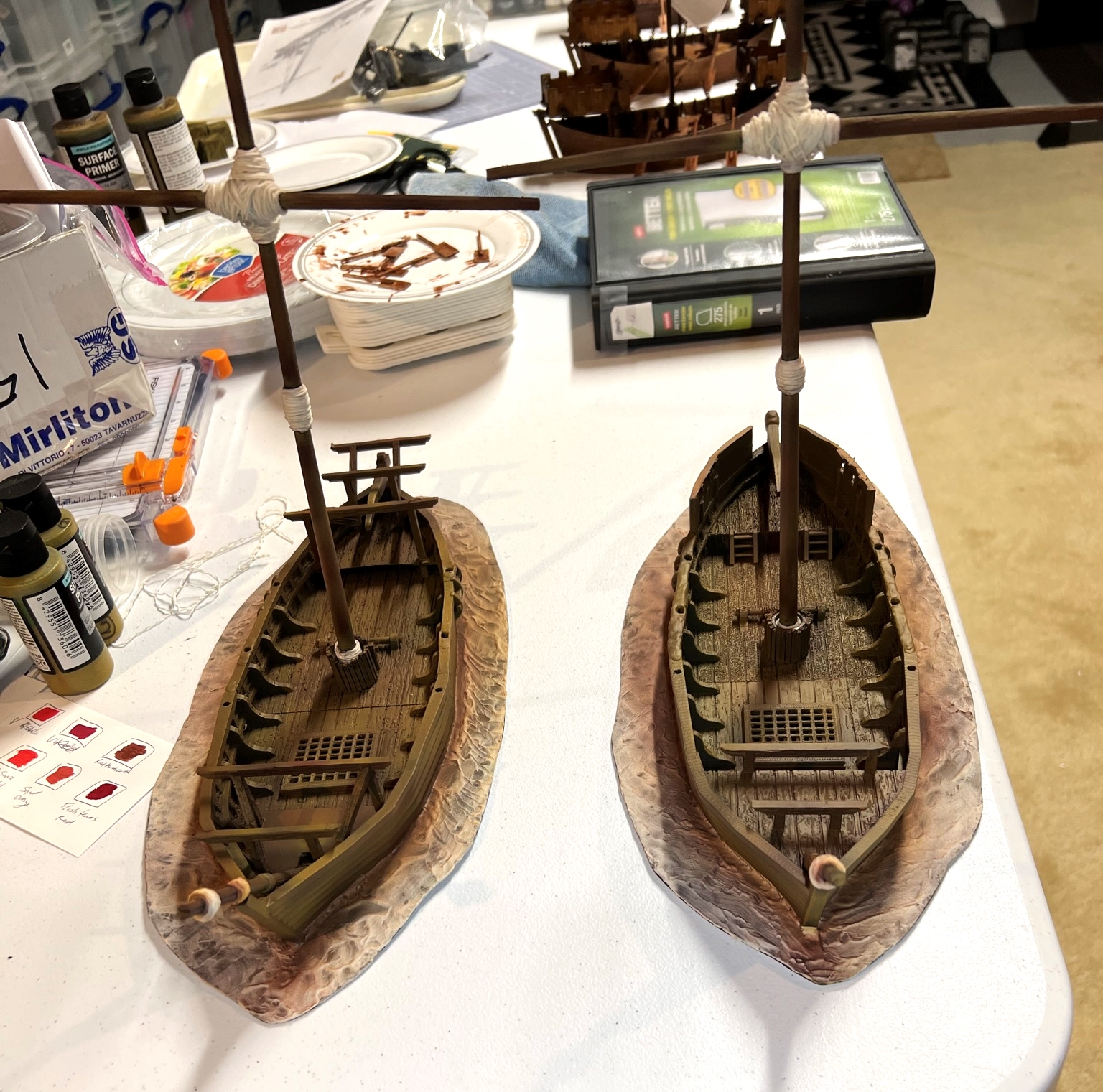
At some point in the past I had bought some Pebeo Studio Acrylics “Auxiliaries Modeling Paste HD. I added some in a wavy pattern to the water bases.
Regarding the color of the ropes, I was unhappy with the look of the ropes. I had used “Apothecary White” and hated the look. I redid them (thanks to a suggestion from Chris Palmer) with “Skeleton Horde” – and I liked them much better.
The old rigging color – no good. I would adjust this.Added styrene to El DólarAdded oarlock holesReprimed green stuff and styrene sections, and added modeling pasteEl Dólar on left and on El Gregorio on right after serial airbrushing.
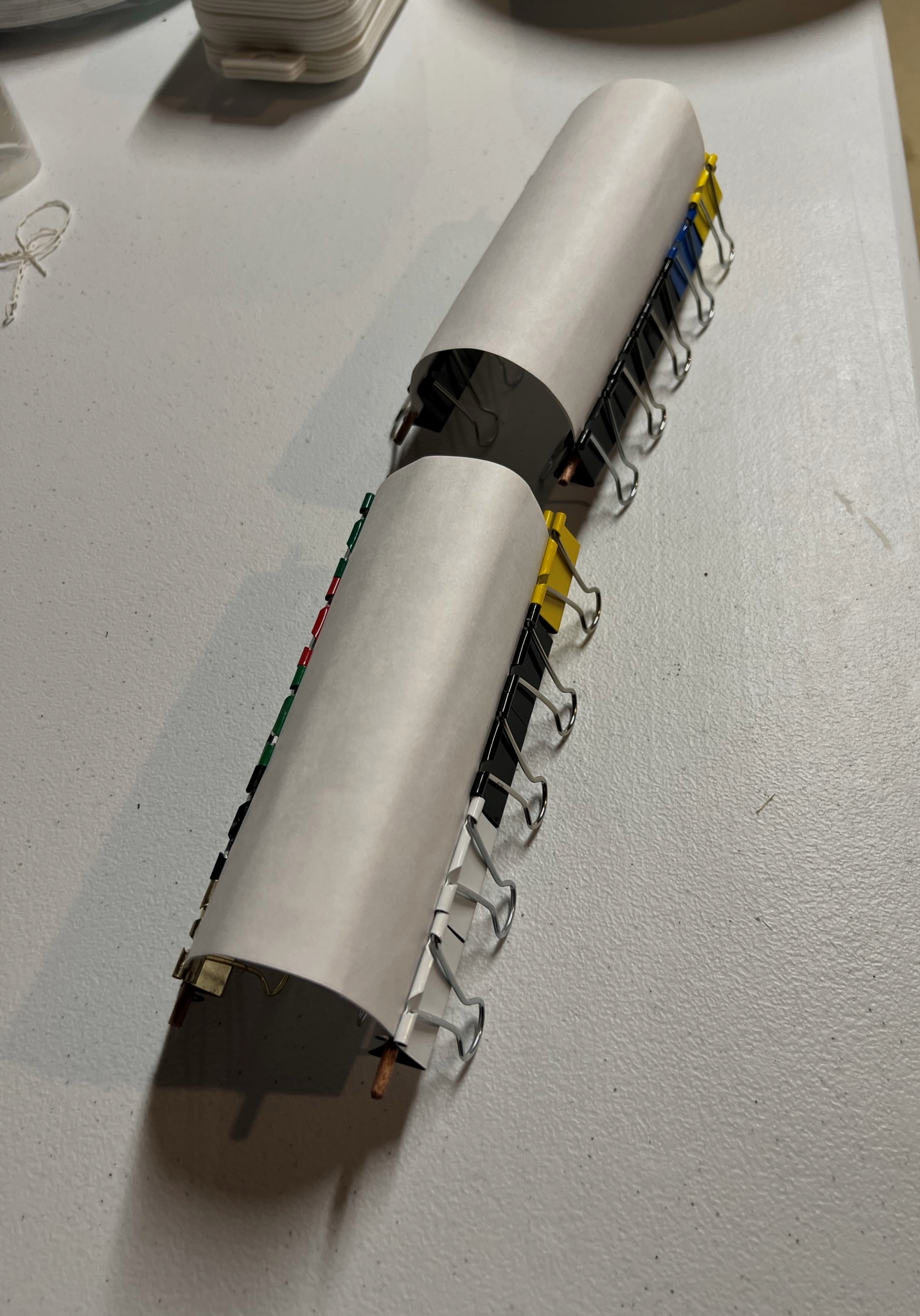
It was then time to work on the sails, more rigging, and the water base. I made the sails with dowels and card stock and PVA. Binder clips helped immensely with the shape. I mounted the sails with tiny metal jewelry rings through holes I drilled in the dowels . I also made ladders for El Dólar., and dry brushed everything on the ships wood – then shaded as needed. The water was dry brushed as well
Making sails with card stock, dowels, PVA, and binder clipsAdding more rigging and mounting the sailsNeed dry brushing!El Dólar (on left) and El Gregorio. The water on El Dólar’s base has not yet been dry brushed.
I then thought that the sails were too pristine. As I was drinking some Darjeeling tea, I used the tea bag to stain up the sails – and I would do this for all 5 ships eventually.
Good thing I’m a tea drinker.
Lastly, I want to show the completed 3D printed ships:
I was pretty happy with these – but now it was time for the Sarissa MDF kits!
El Conquistador & El Perro de Guerra
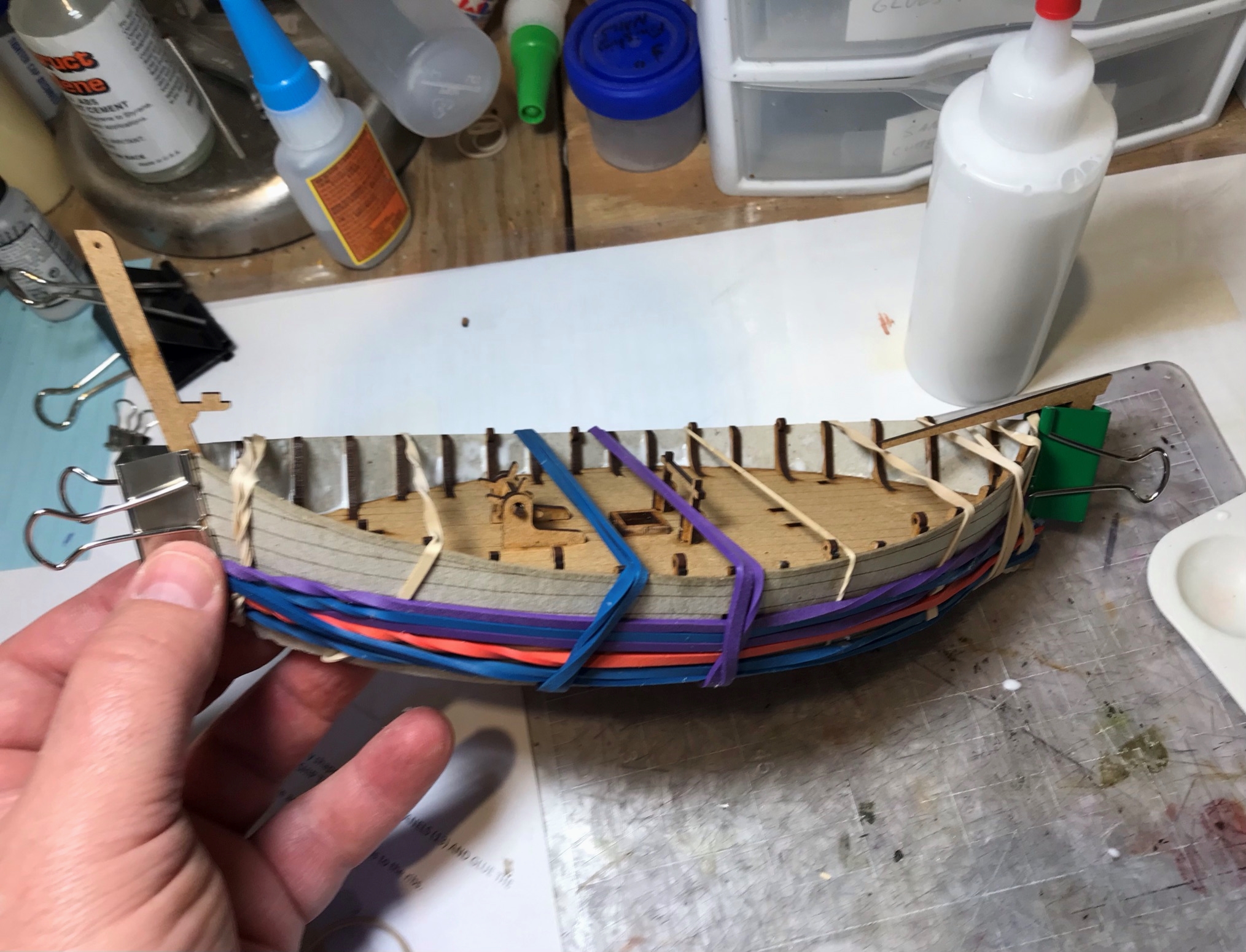
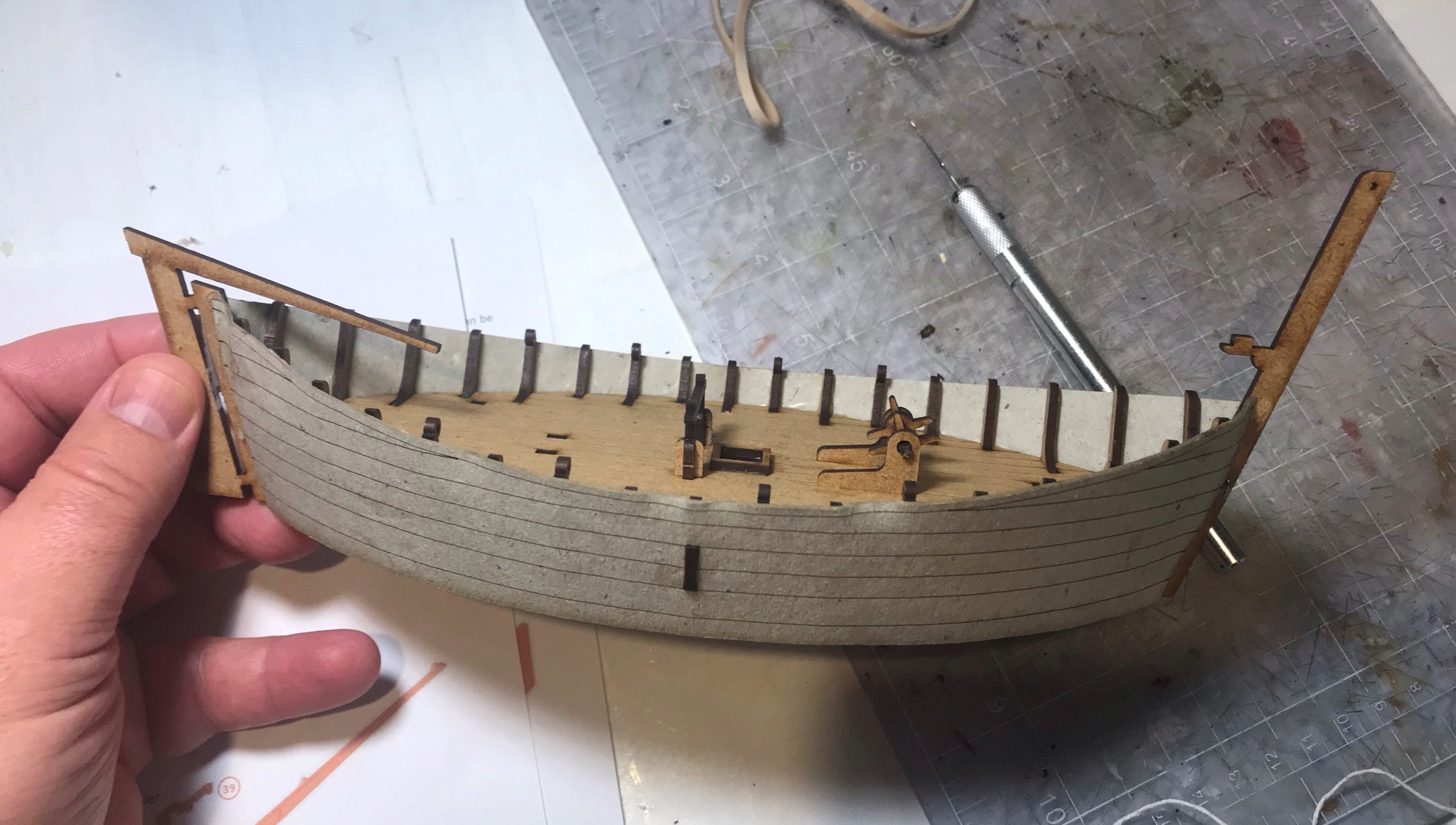
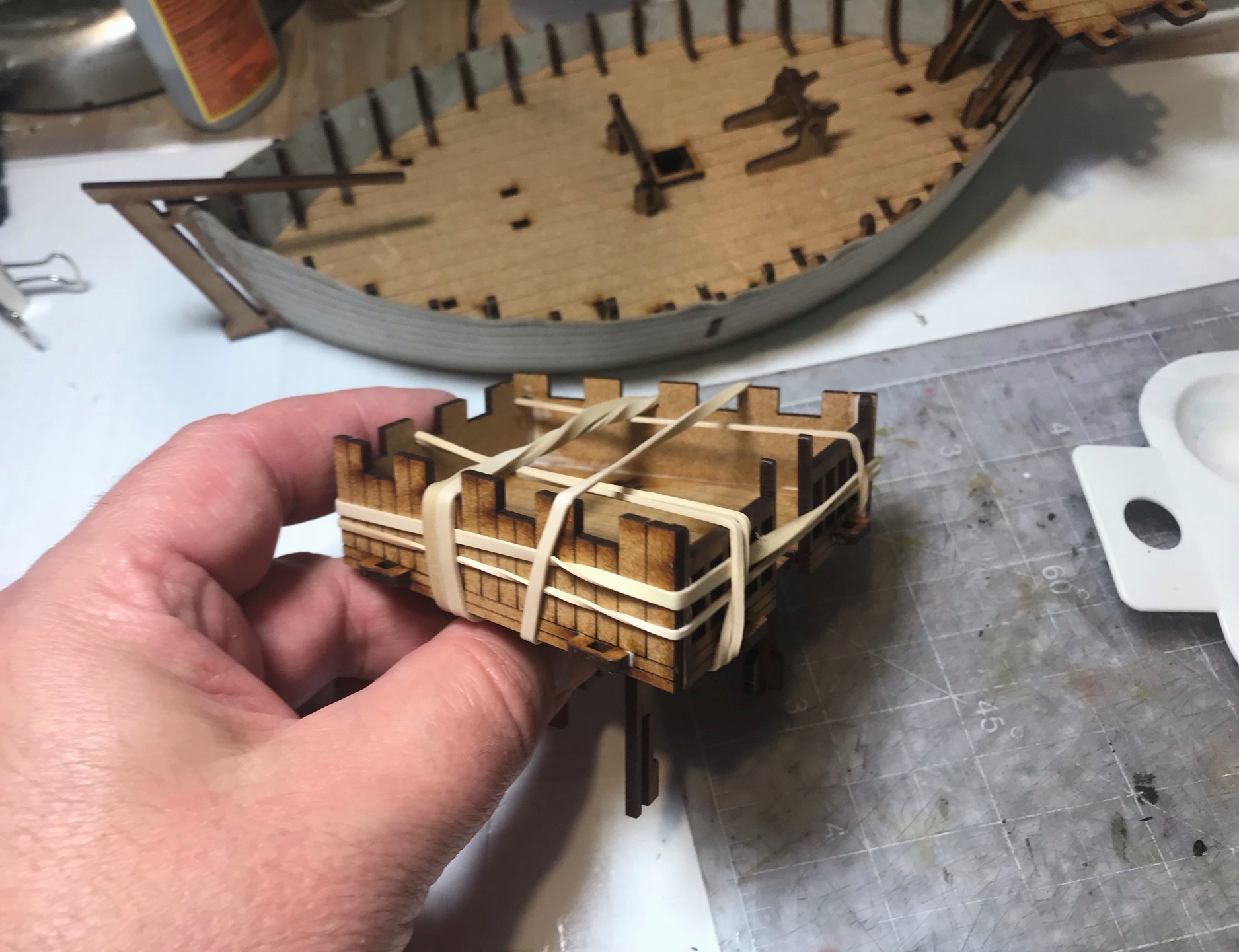
These two models were a bit smaller than the 3D ones. Unsurprisingly, these took a lot of gluing and patience. I did need to modify some damage to one of the tillers as well when a rubber band snapped it off of one. Still, the kits were fun and well-made – I just needed to try to match the colors (relatively) of the 3D versions. For this I relied more on washes than paint. I also needed to modify these with oars and sails. Here are the photos:
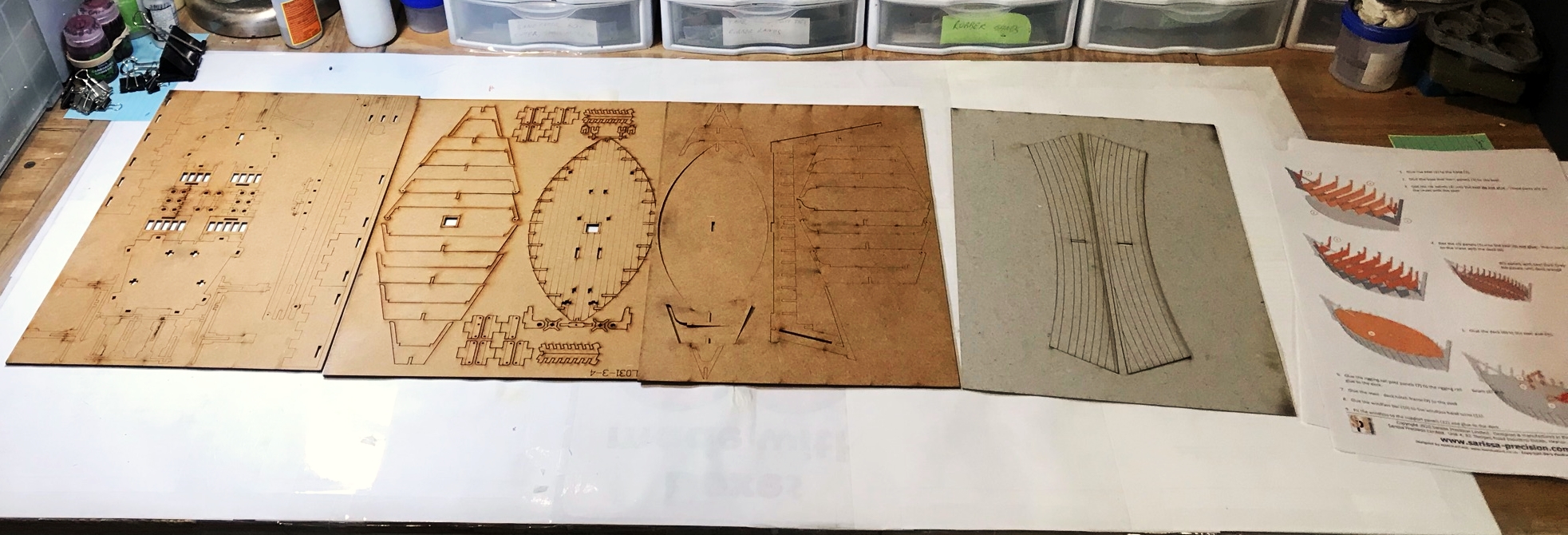
The kits unopened.What is inside.
Then LOTS of gluing…
Hull gluingAfter gluingStern castle gluing
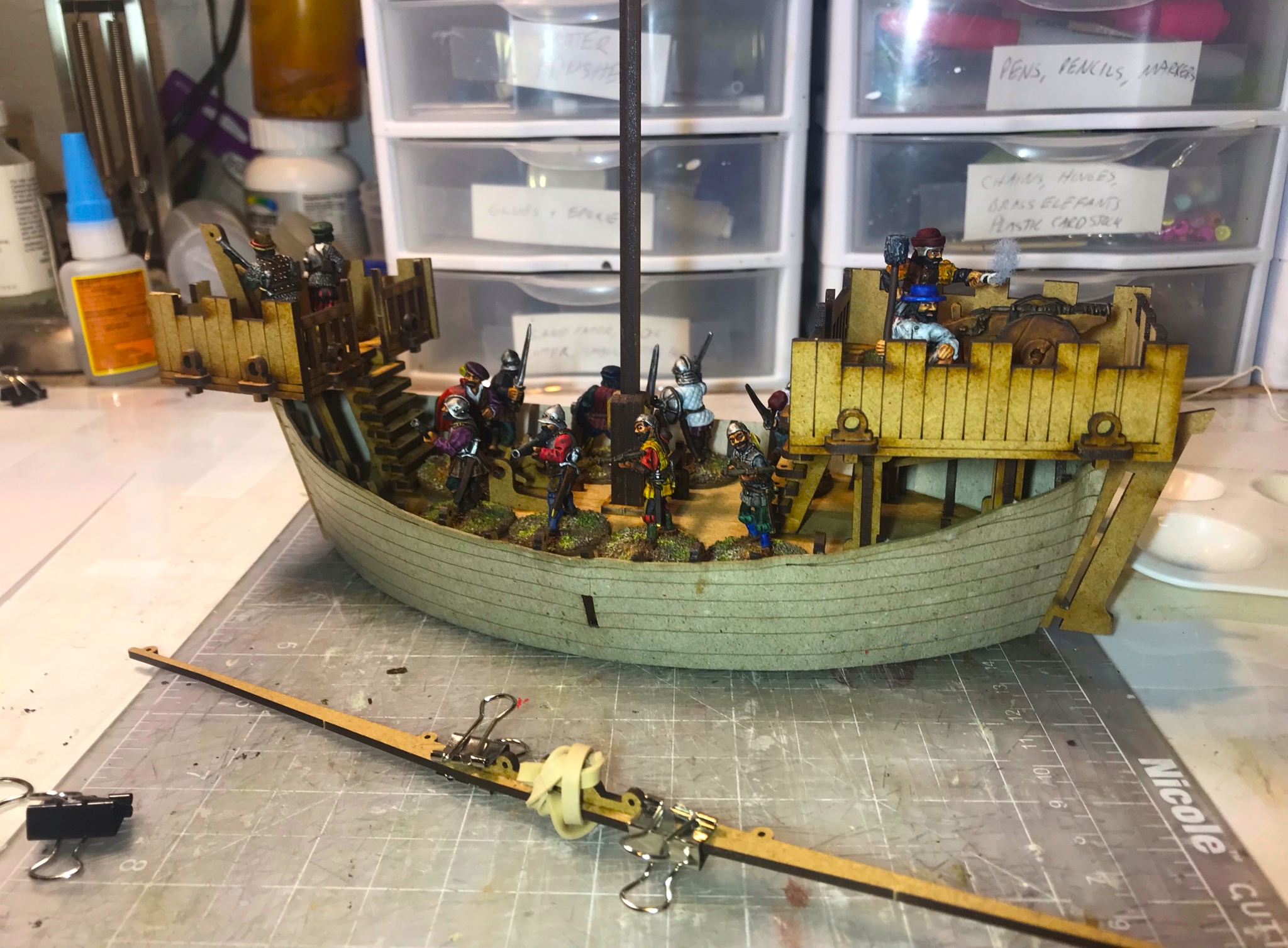
I mocked up one to see how the figures might fit inside.
Mock up of a Sarissa model – I had yet to work on the masts or sails.
In the above photo you can see the two-man falconet crew are looking less than ideal size-wise. At that point I ordered more falconets, lombards, and crew to better suit the brigantines – but that’s another upcoming post!
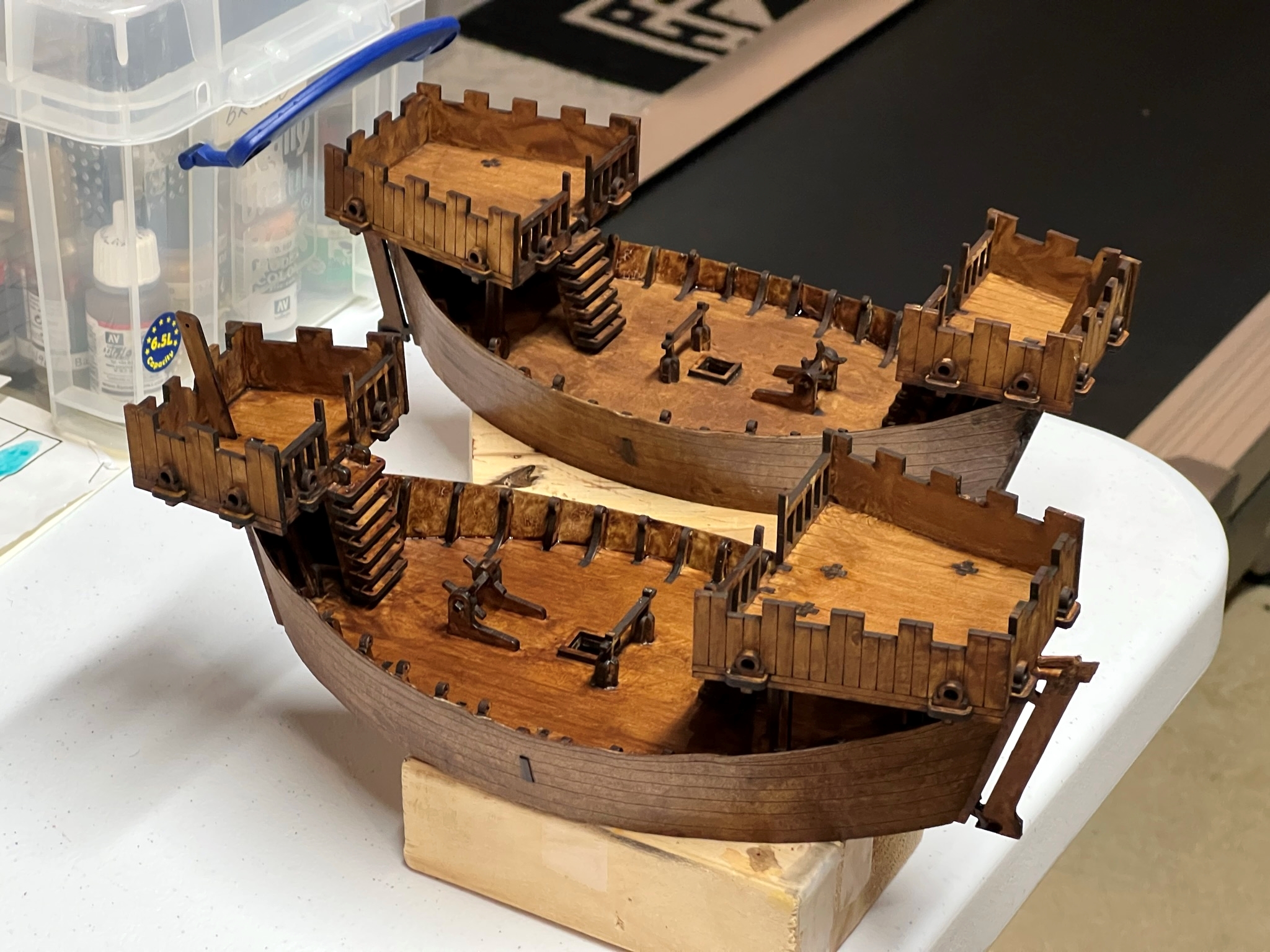
Then it was washing time – lots of washing…Army Painter must be happy…
Hull washing.
Then I moved on to sails and rigging.
Sails, oars, and rigging done – though the sails and rigging need work yet here with paint and Darjeeling.
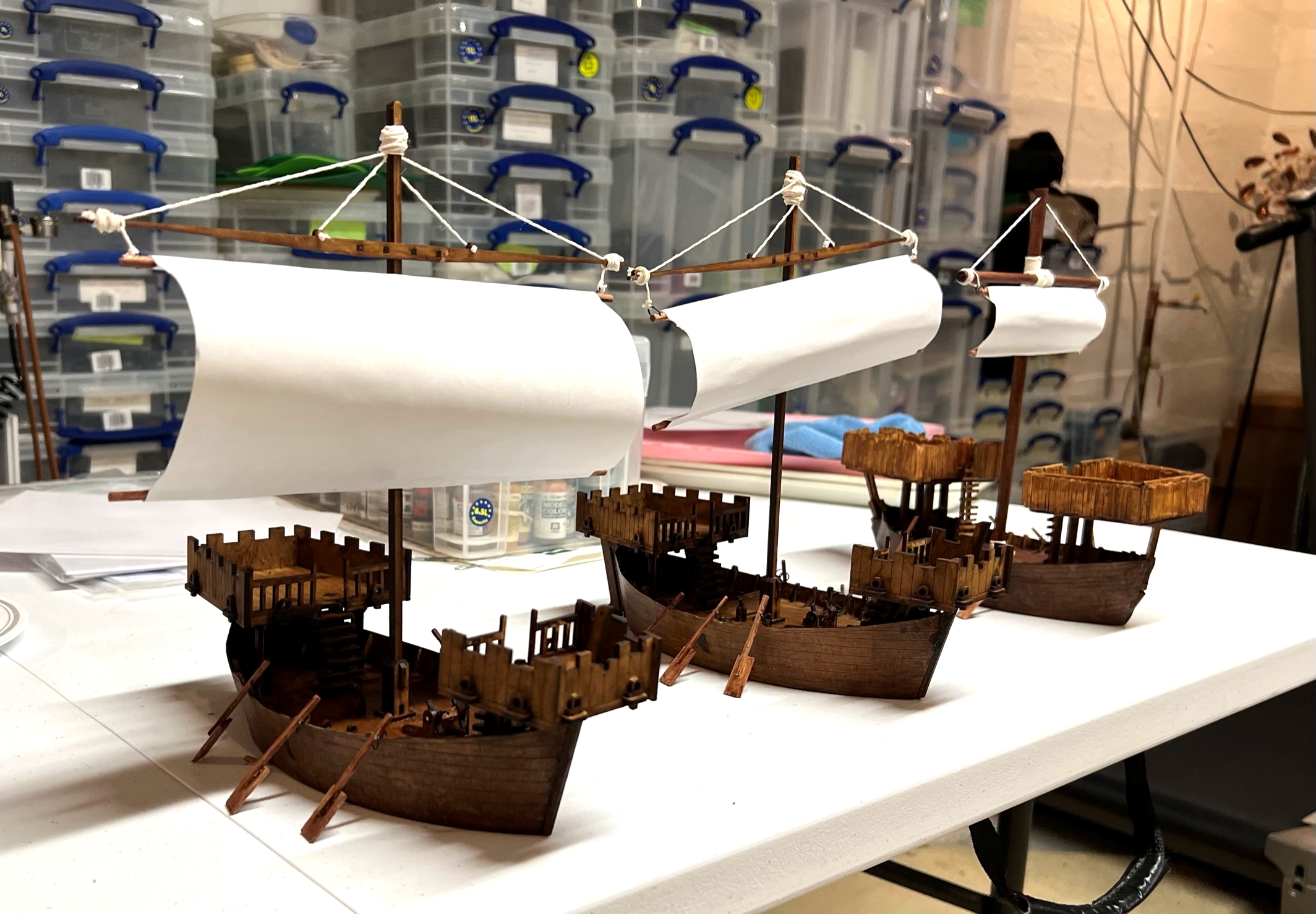
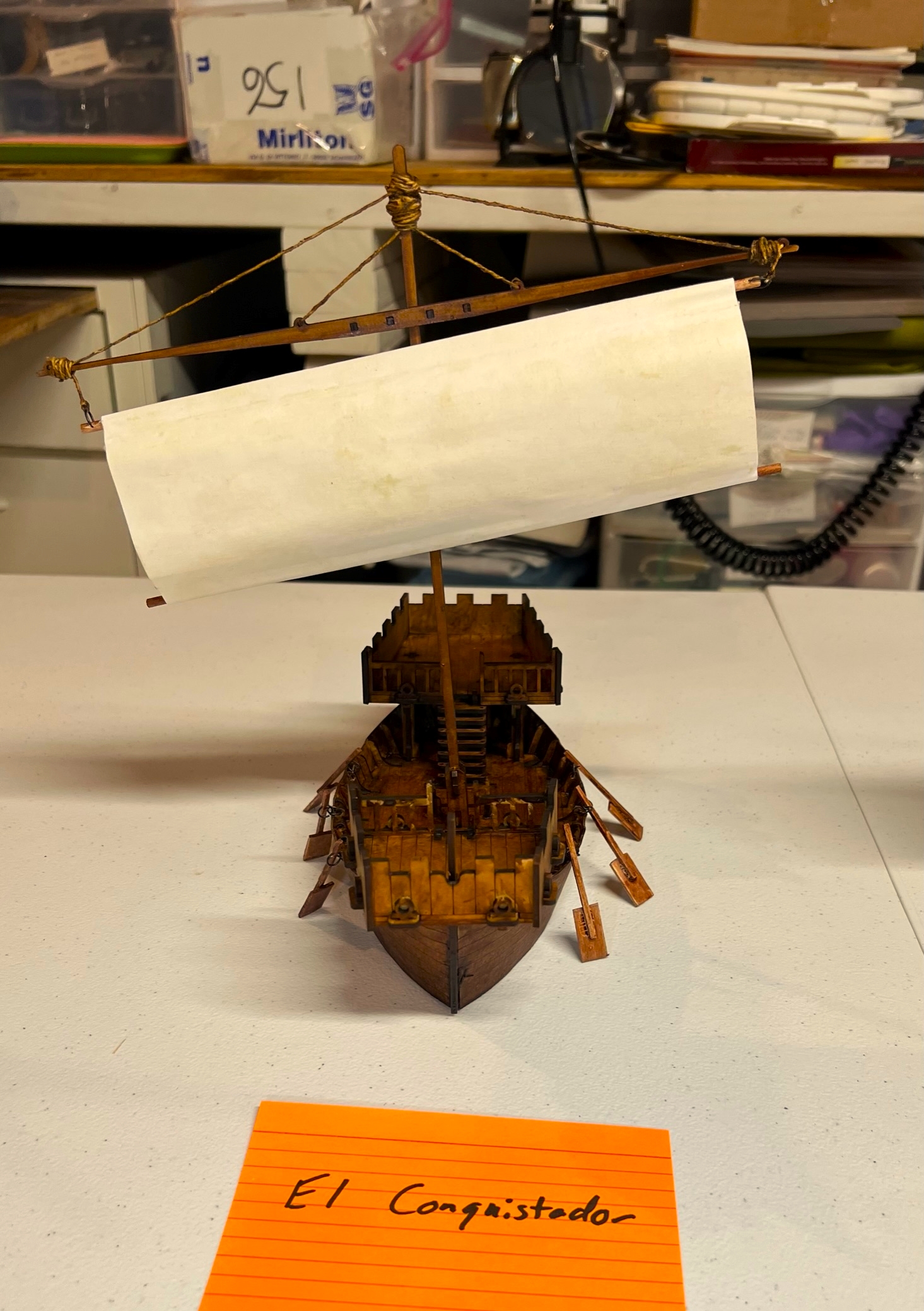
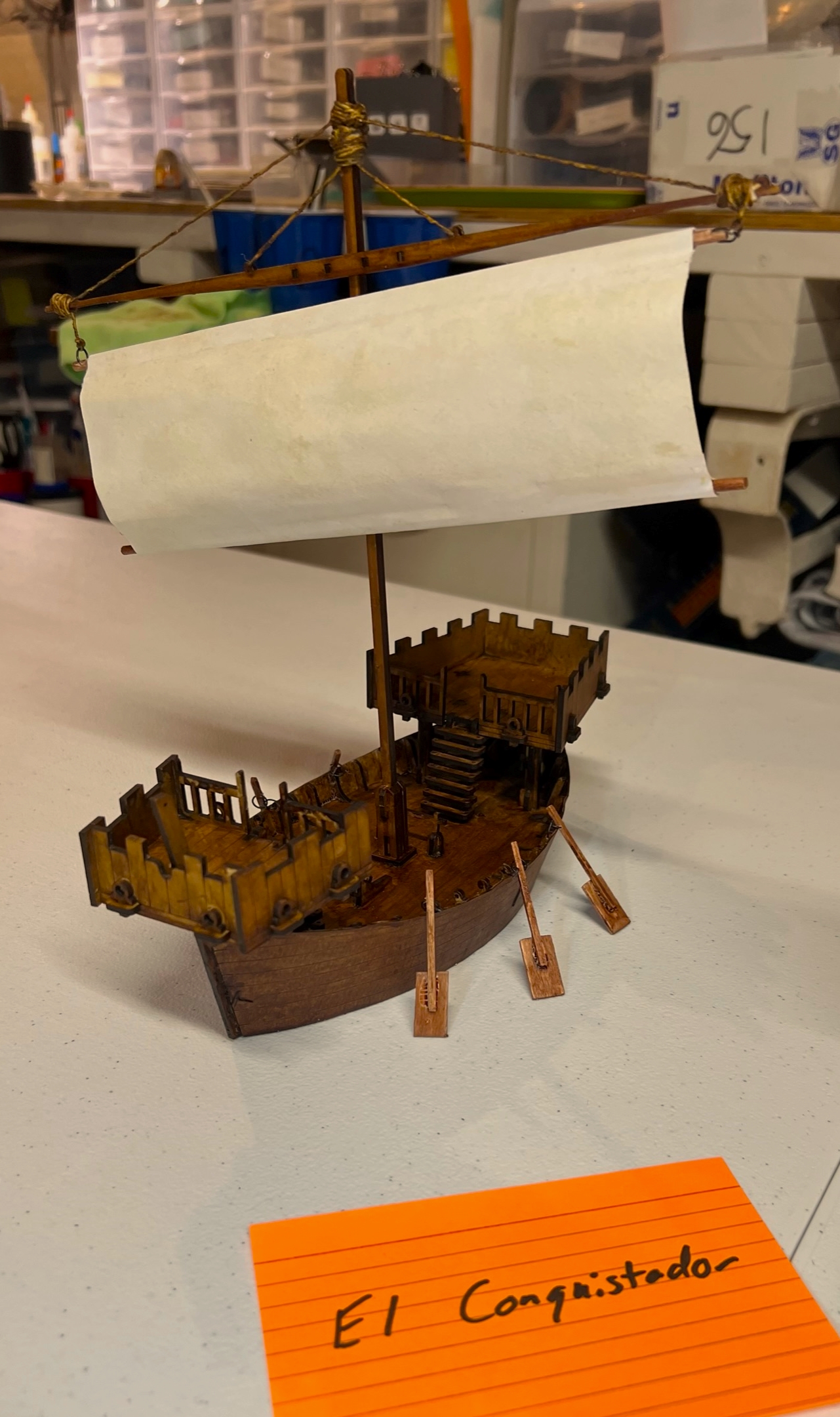
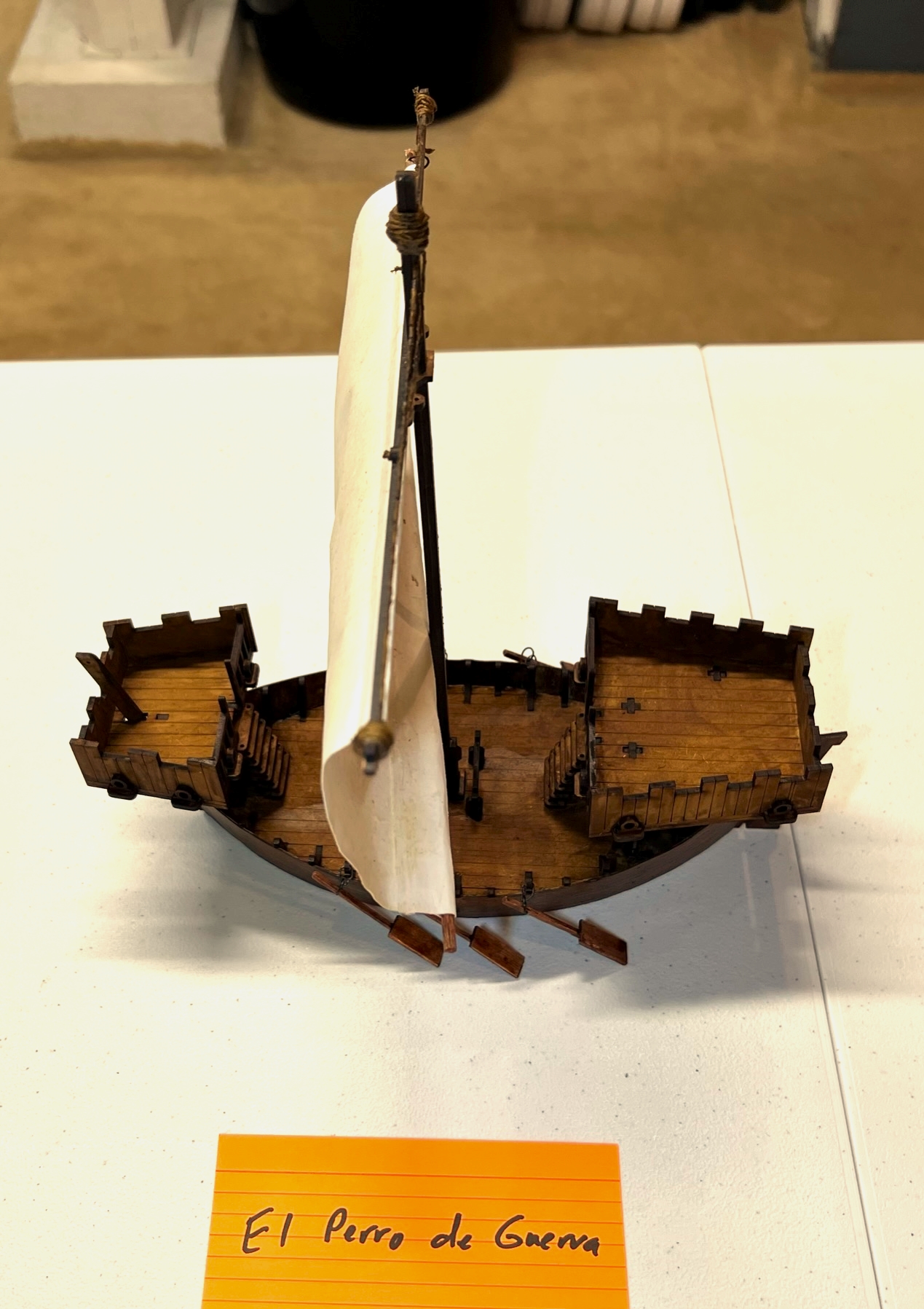
Now let’s see El Conquistador and El Perro de Guerra as completed:
El Conquistador frontEl Conquistador port sideEl Conquistador top viewEl Perro de Guerra frontEl Perro de Guerra port sideEl Perro de Guerra top view
El Marcos
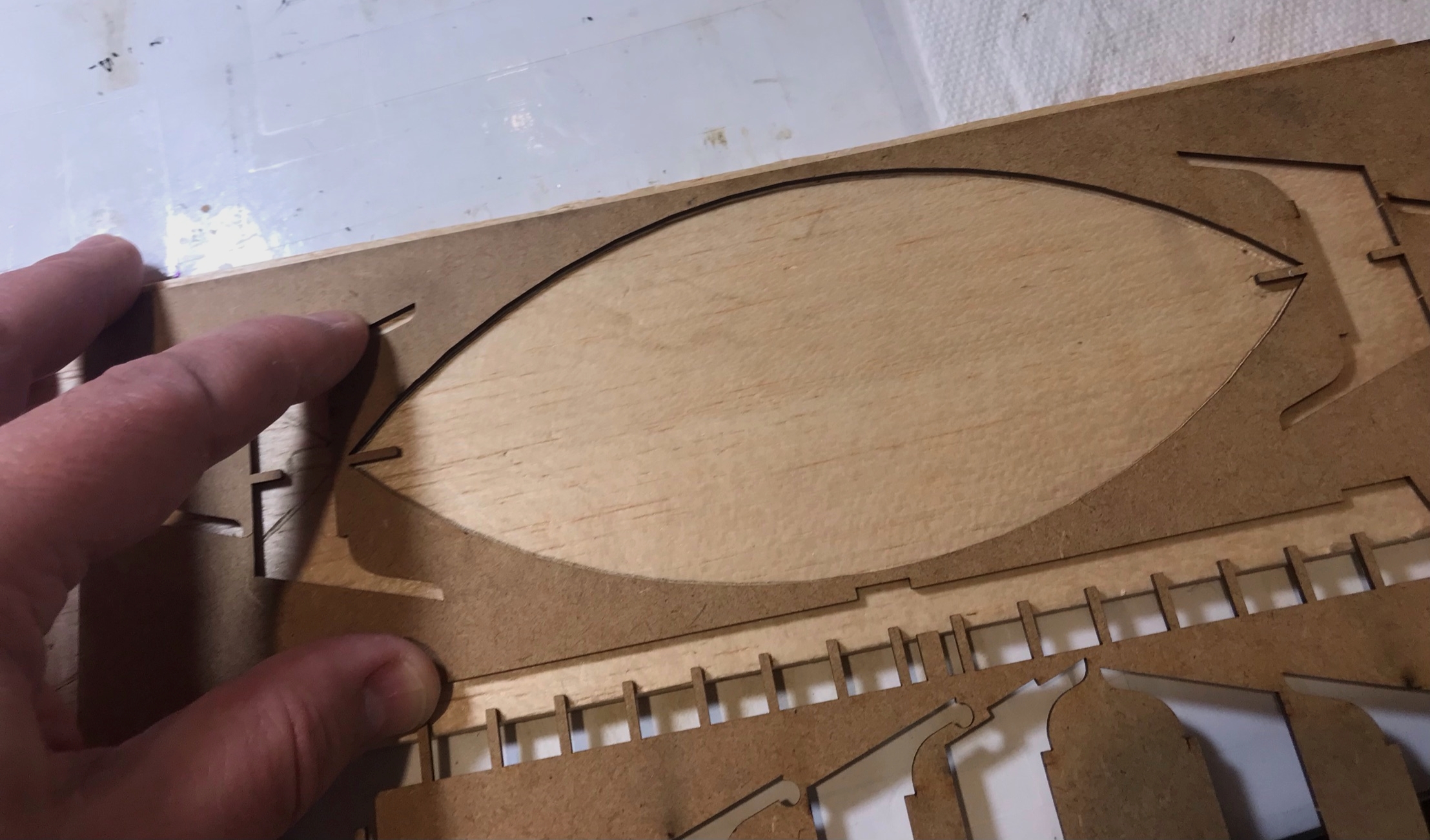
I decided to give scratch-building a brigantine a go – if only because I wanted the challenge. Luckily, I had learned a bit from the previous models, though as you will see below there was overlap during my builds. Also, I was able to repurpose some leftover MDF as a template for a new hull and keel!
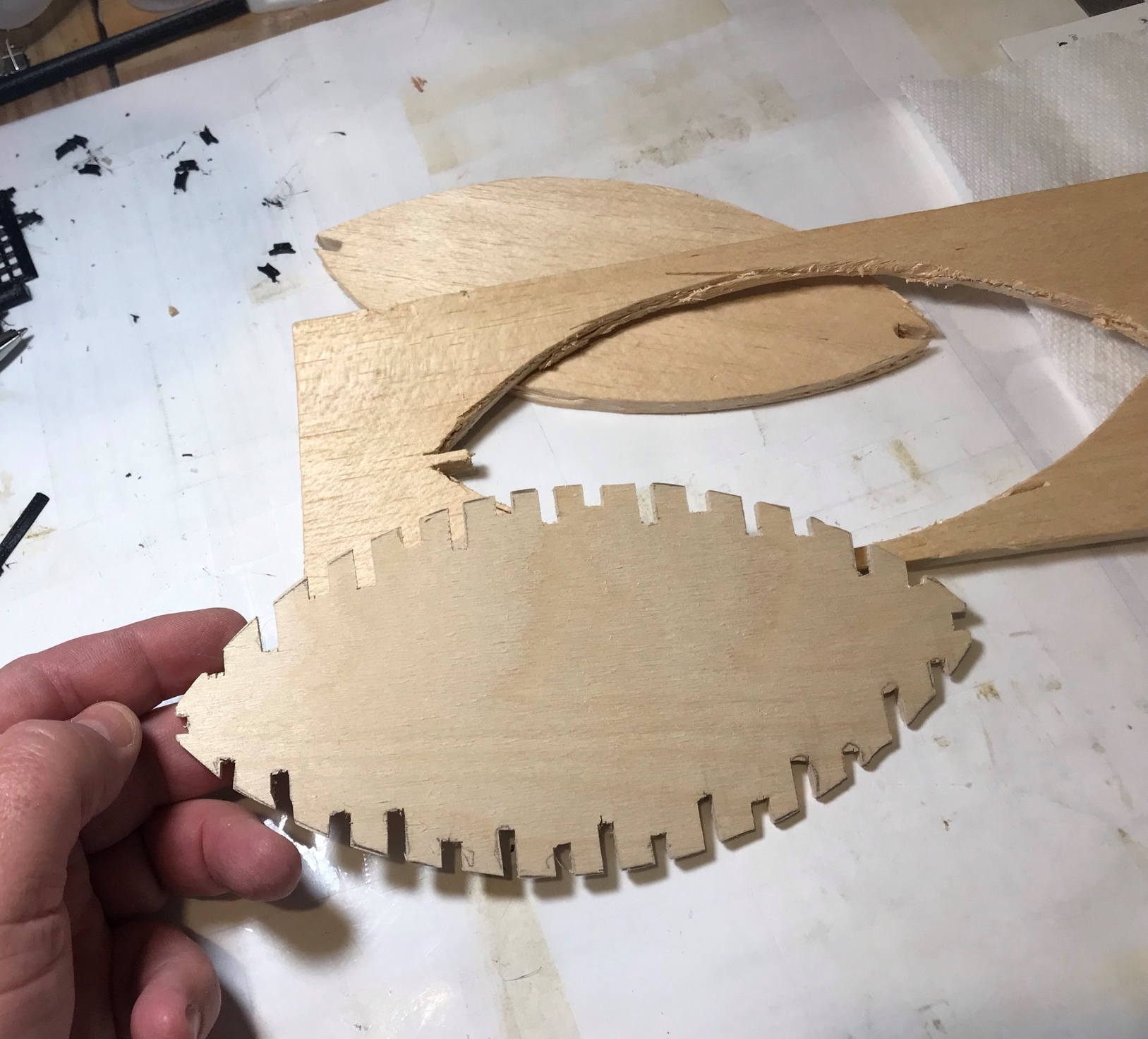
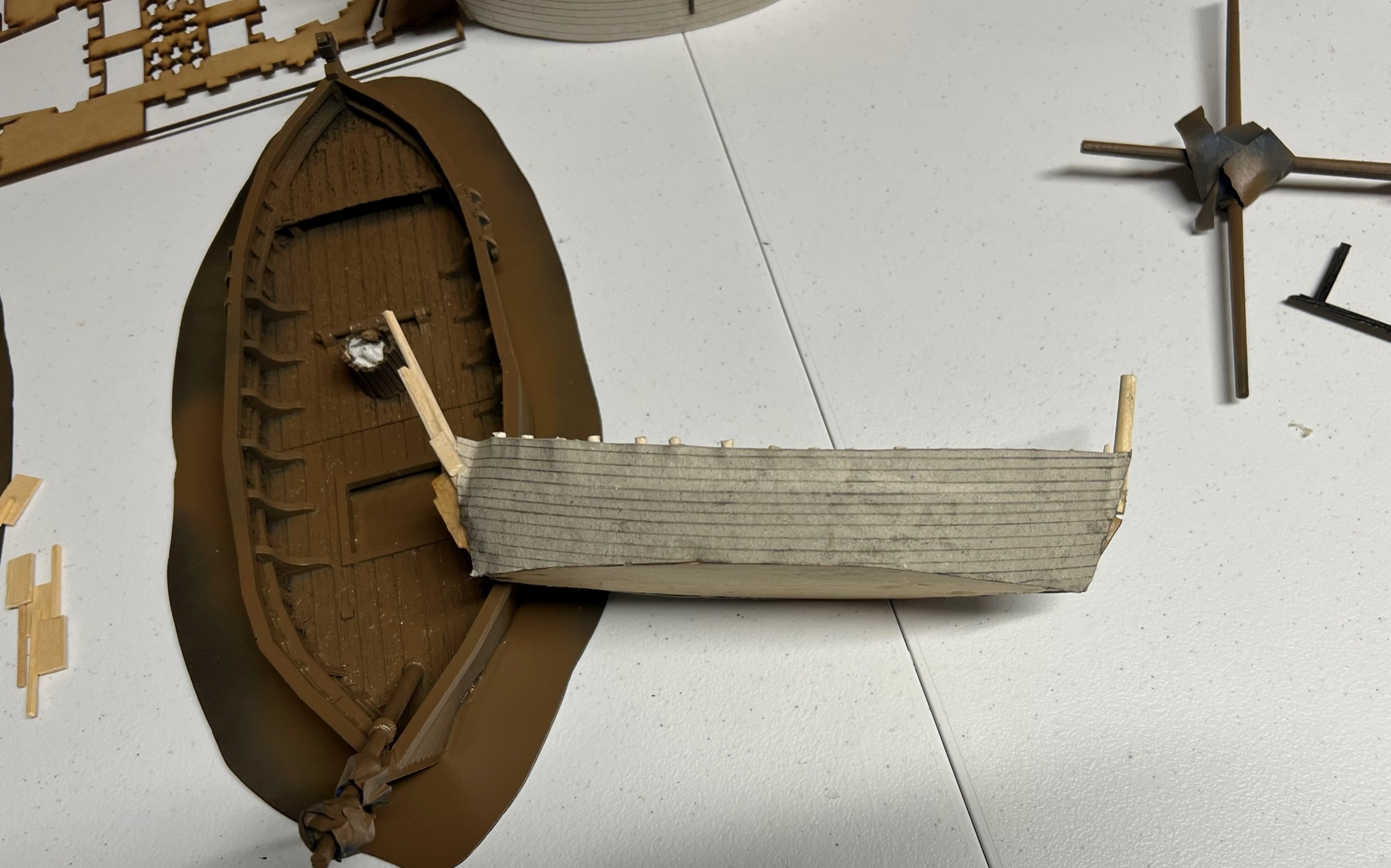
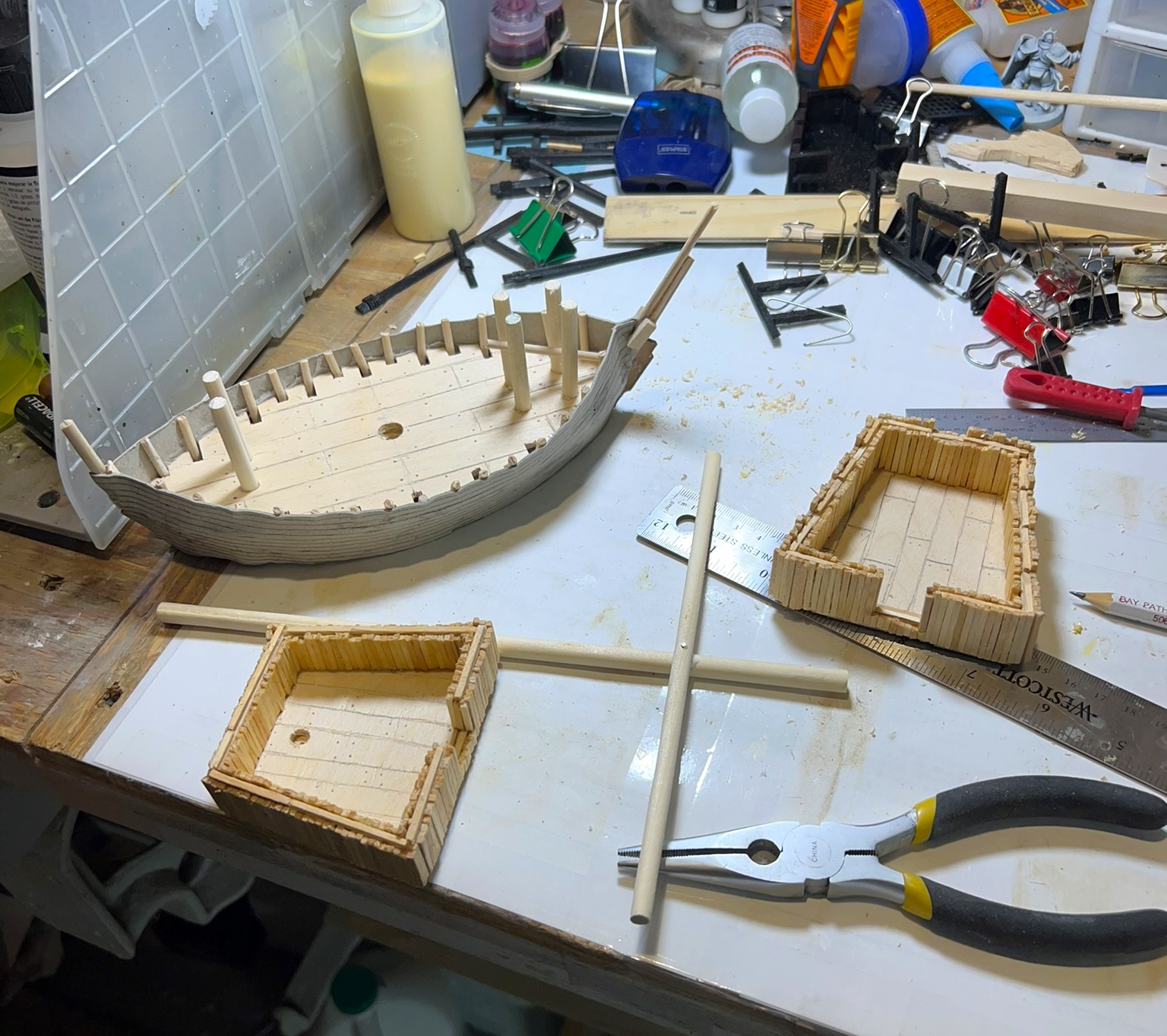
The Sarissa leftover was a nice templateI traced out the keel on thick balsa wood (1/4″)I traced out the deck on a piece of 1/4″ basswood.Using my scroll saw, I cut out the deck. The cut out keel is in the background.I used square dowels on the keel to support the deck. I drilled out a hole for the mast and scored the deck to represent planks.
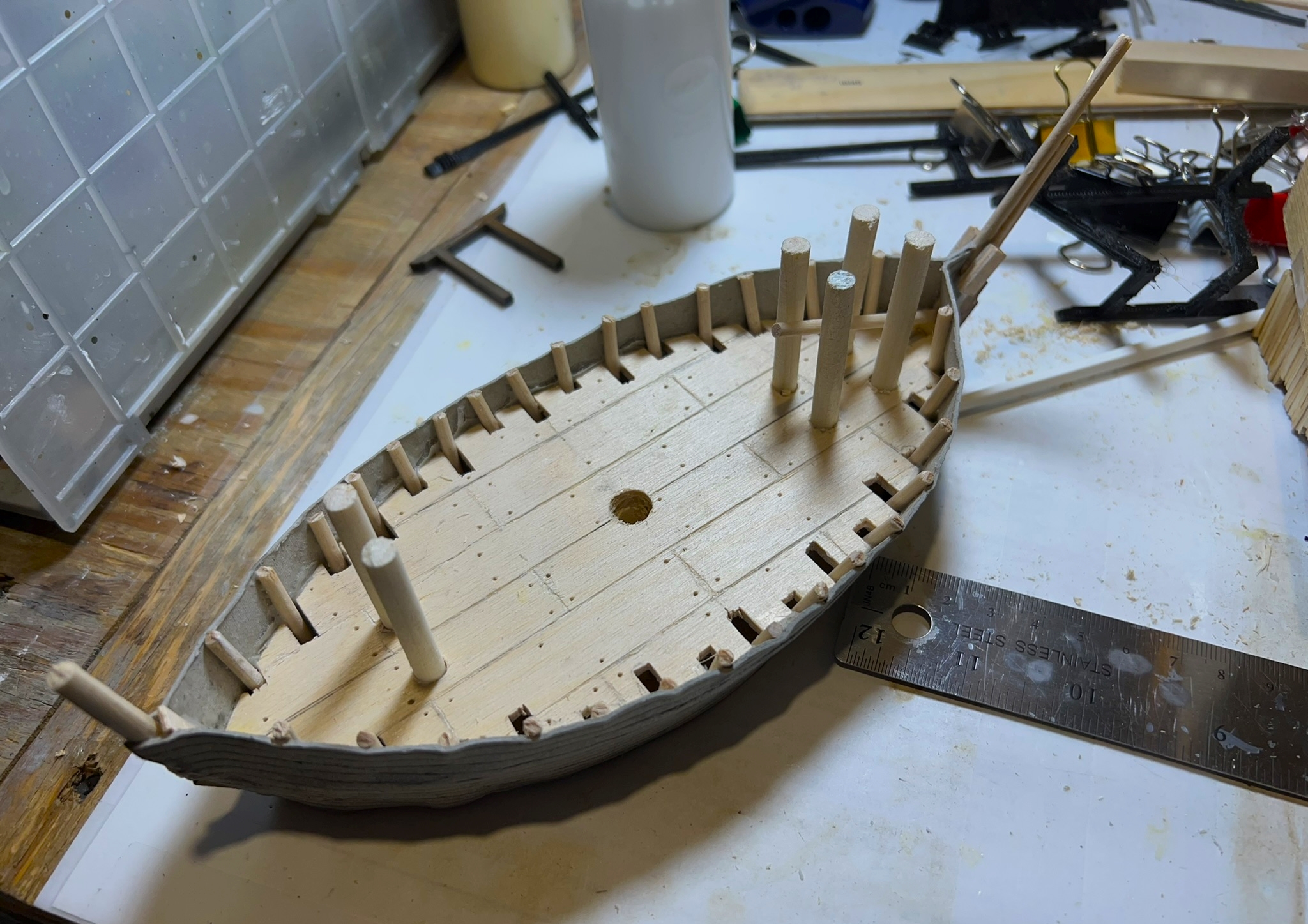
Unlike the Sarissa models, where the hull glued to the ribs of the cogs, I glued the deck to the square dowels and then added the hull by gluing it to the combination of deck and keel. Then I inserted 1/8″ dowels as ribs into the slots – gluing them to the inner hull and keel.
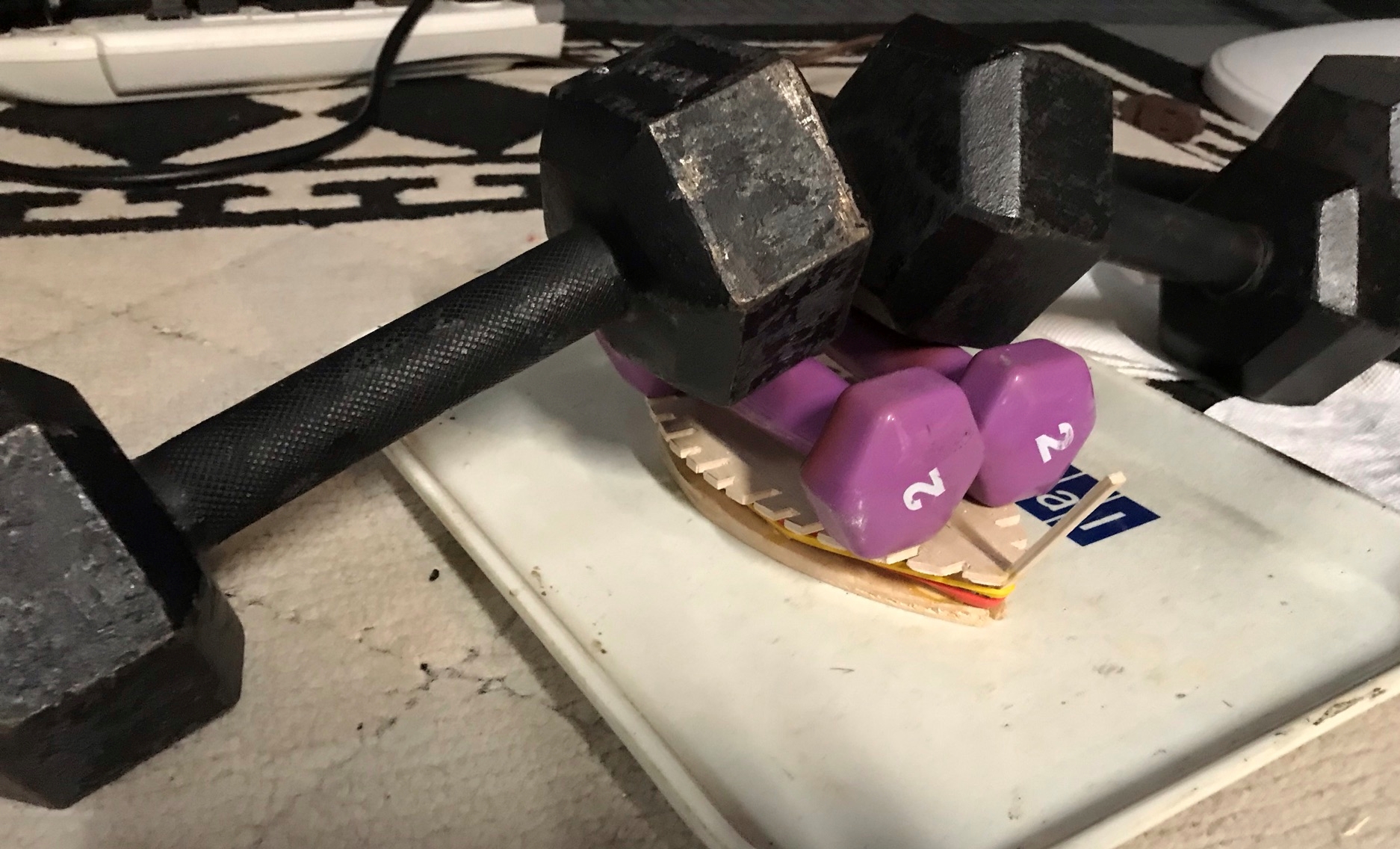
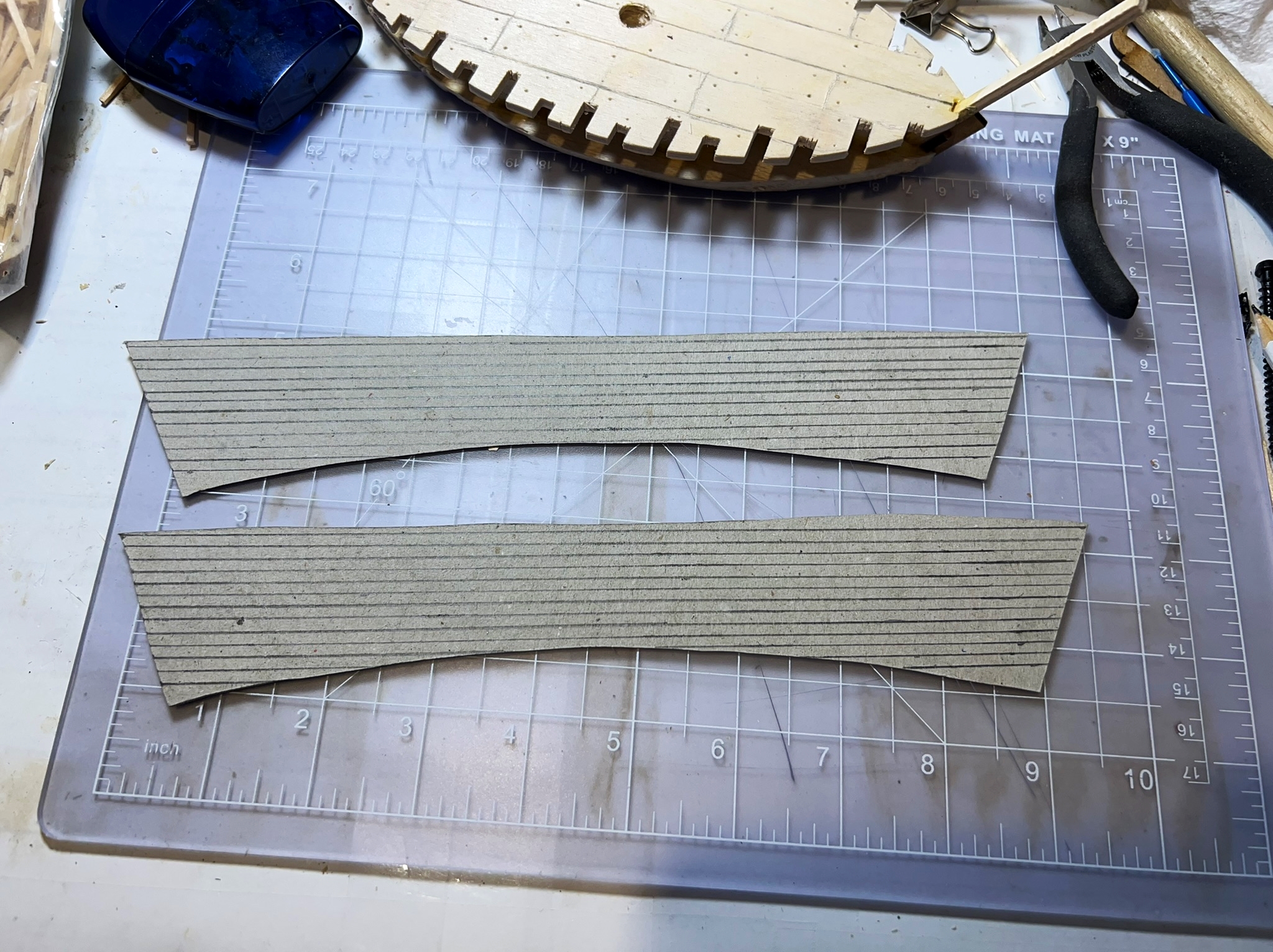
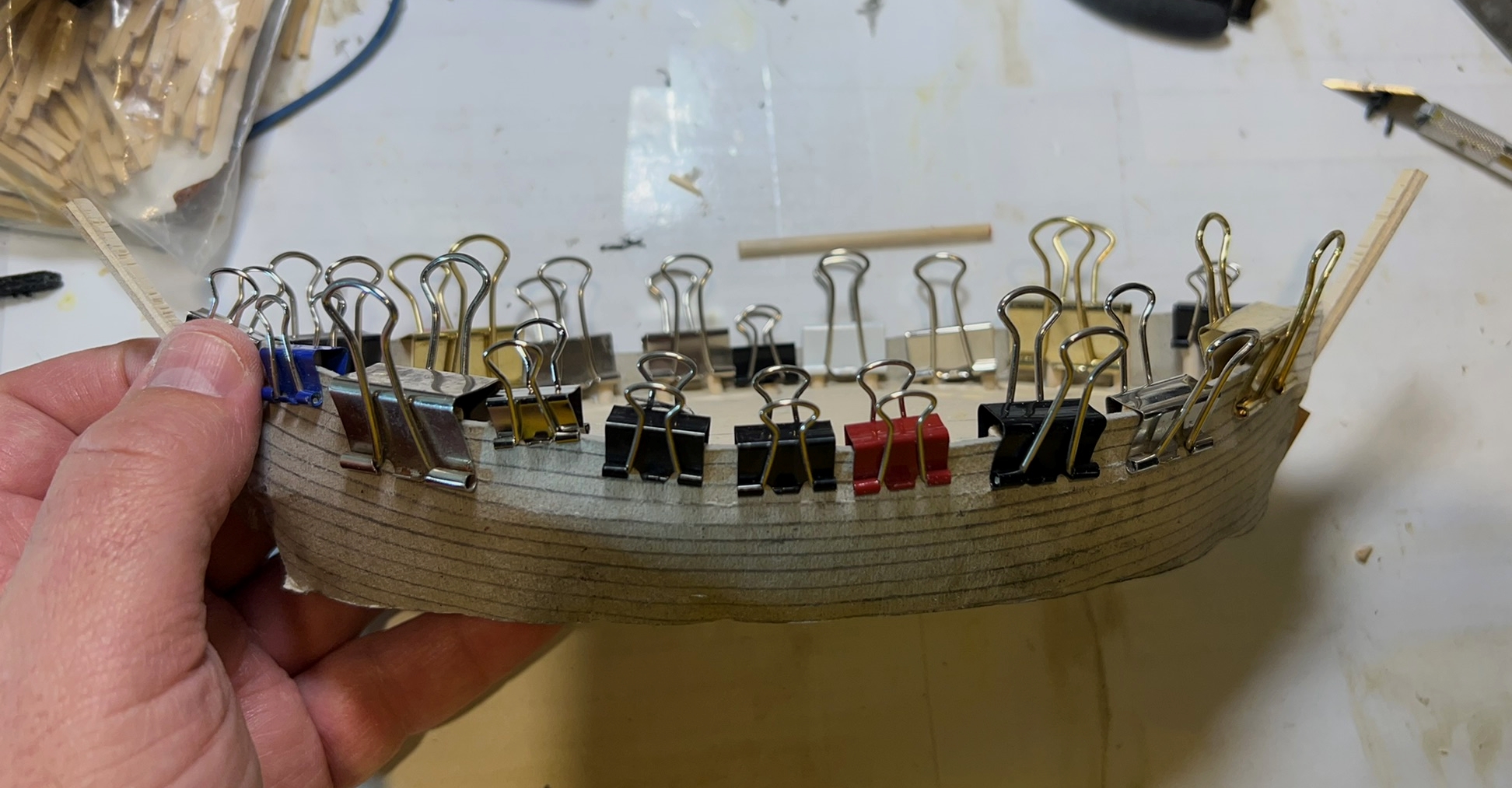
The deck and keel gluedI used some dumbbells to help set the two overnight I cut out two hull sections from the leftover kit card stock and scored itThe hull gluingI glued the ribs by inserting them and using binder clips to get a good attachment to the hull and deck
At this point, I had the hull basically constructed.
The hull showing the dowel ribsSide view of the hull
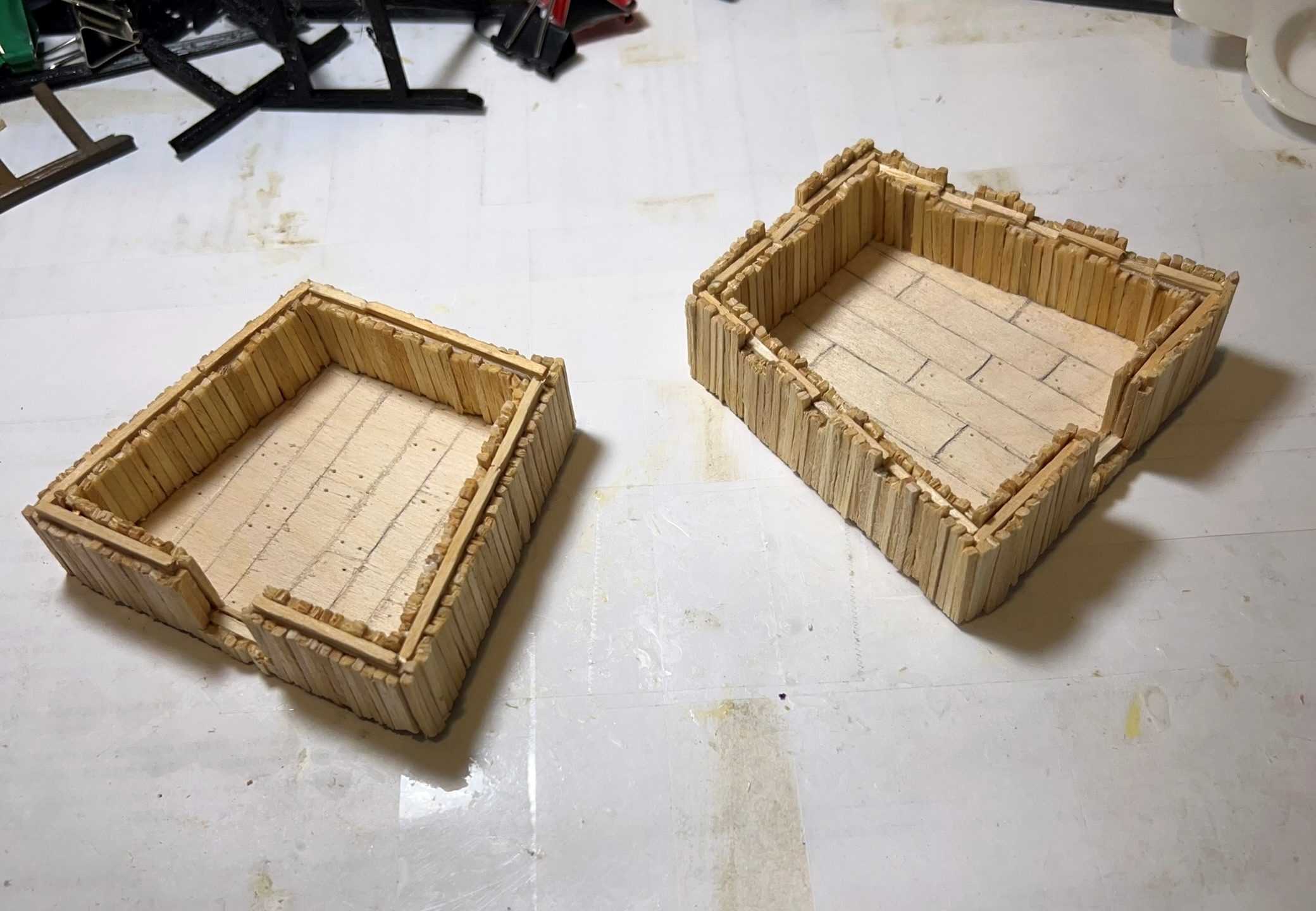
For the stern and forecastles, I used basswood. I was not happy with the look as the basswood was too smooth. I decided to glue a bazillion (I think) custom-cut matchsticks inside and out of the castles to give them a more rustic look.
Gluing on the matchsticks one by one…Added a castle look by sizing the matchsticks differentlyThe two castlesI think I was going glue-crazy with so much gluing!
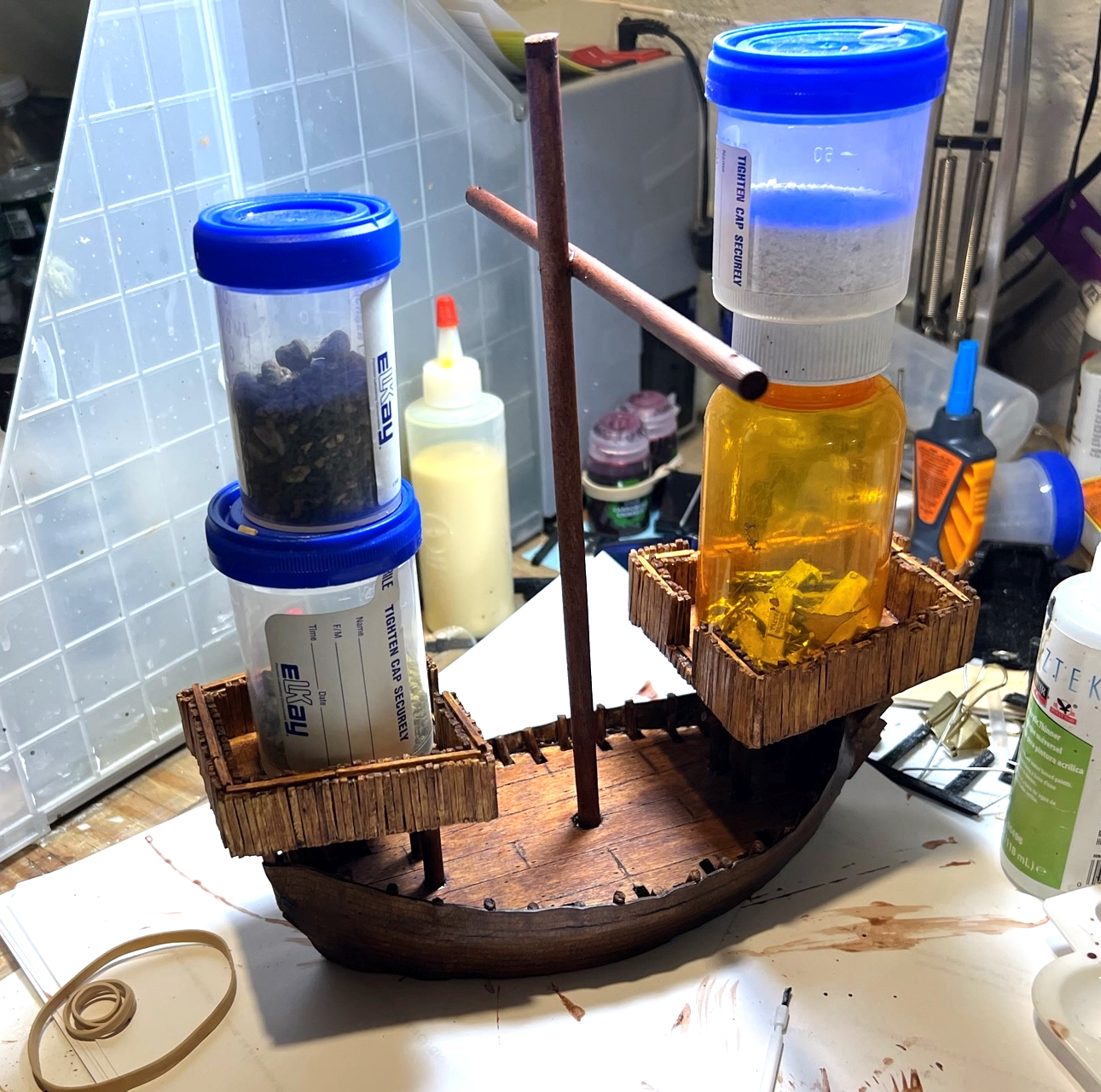
The next step was to mount the castles – which I did by drilling out holes for dowel supports. Then I adjusted the heights of the supports with 1/4″ steel washers to get the right look. I also made the mast and yard.
Added a dowel as a tiller for the helmsmanCastle supportsMaking the mastAdjusting the support heights with washers.
Once again during this project, I had to wait for the glue to dry. On a side note, that need alone dragged the duration time out every time I needed to glue something – which seemed unending. I then started the washing and painting of the brigantine as I found that easier to do before adding the castles.
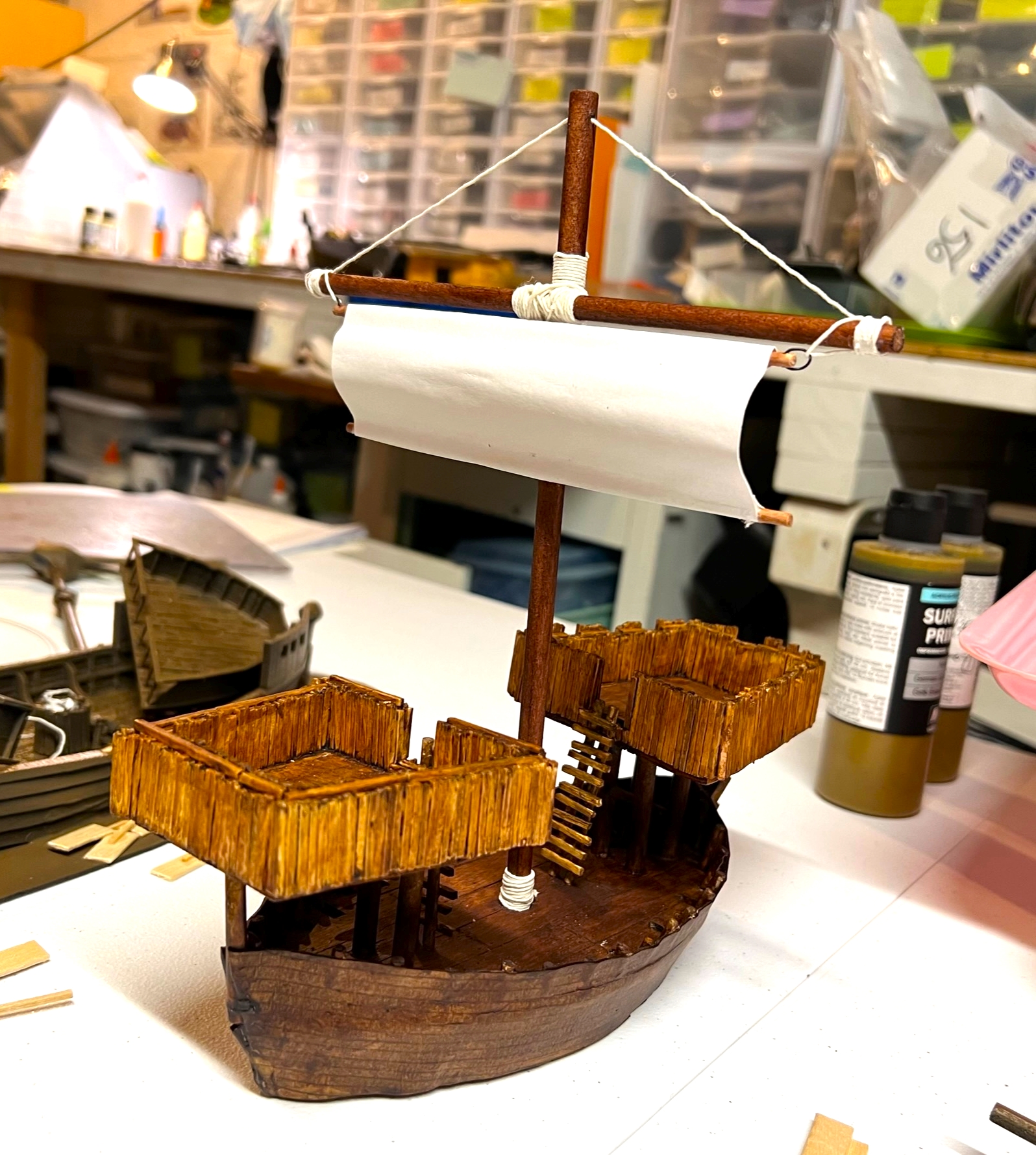
Mounting the stern and forecastles and letting the glue set…again…I made ladders and sails – and eventually painted the rigging – once the glue dried
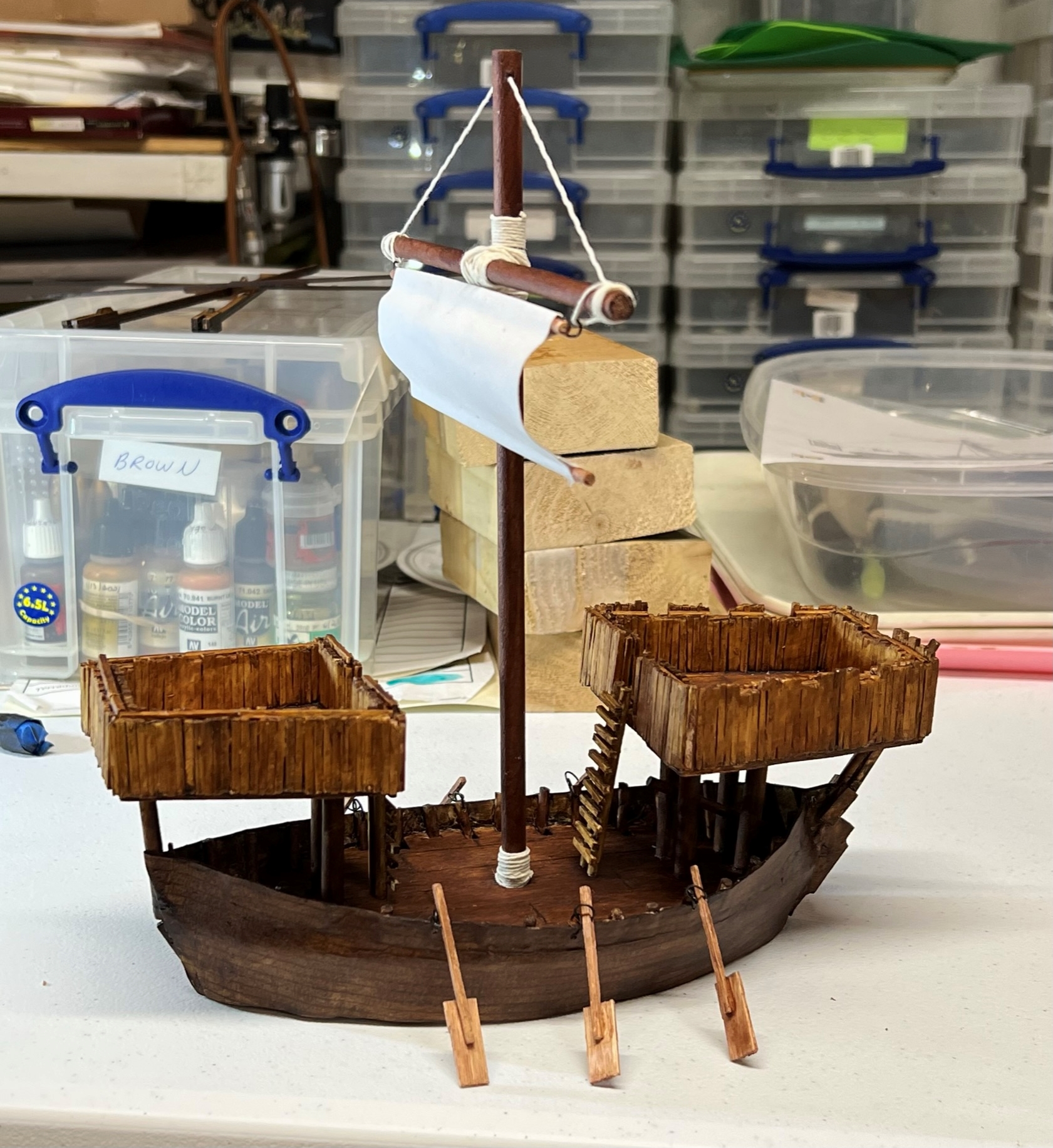
I also needed oars and oar locks.
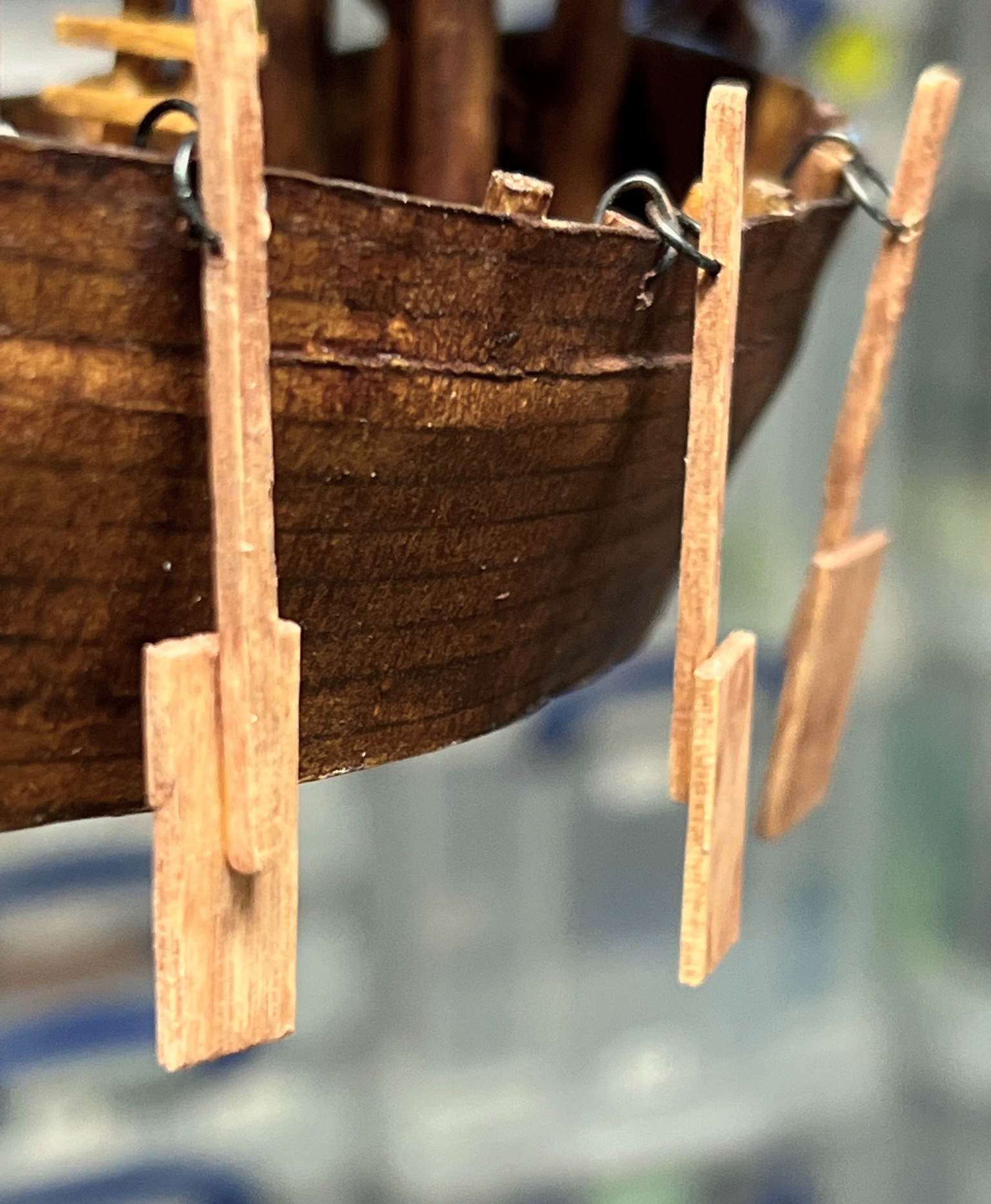
After adding the oarsSide viewClose up of the oars. Yes, you can drill out a matchstick!
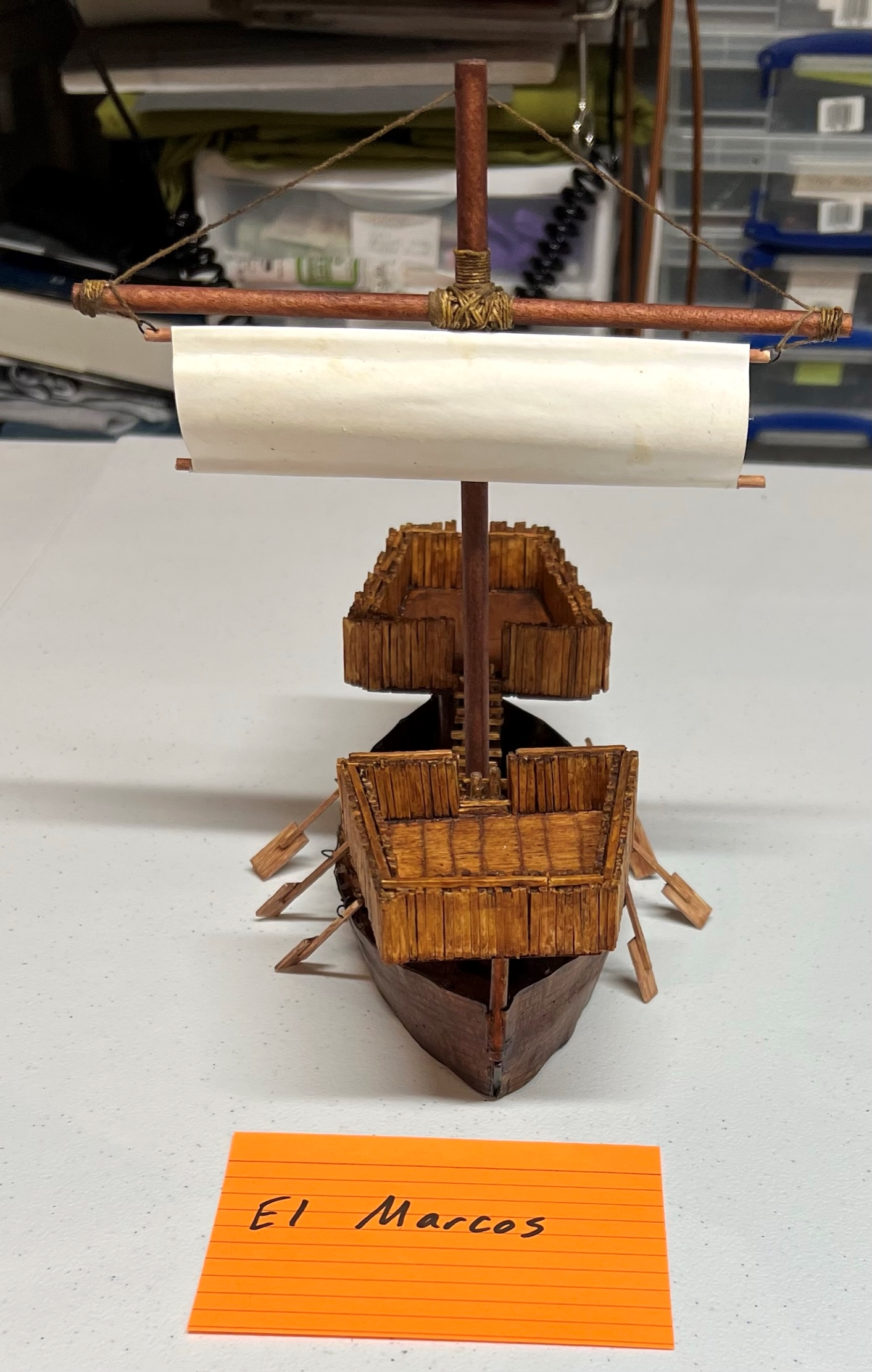
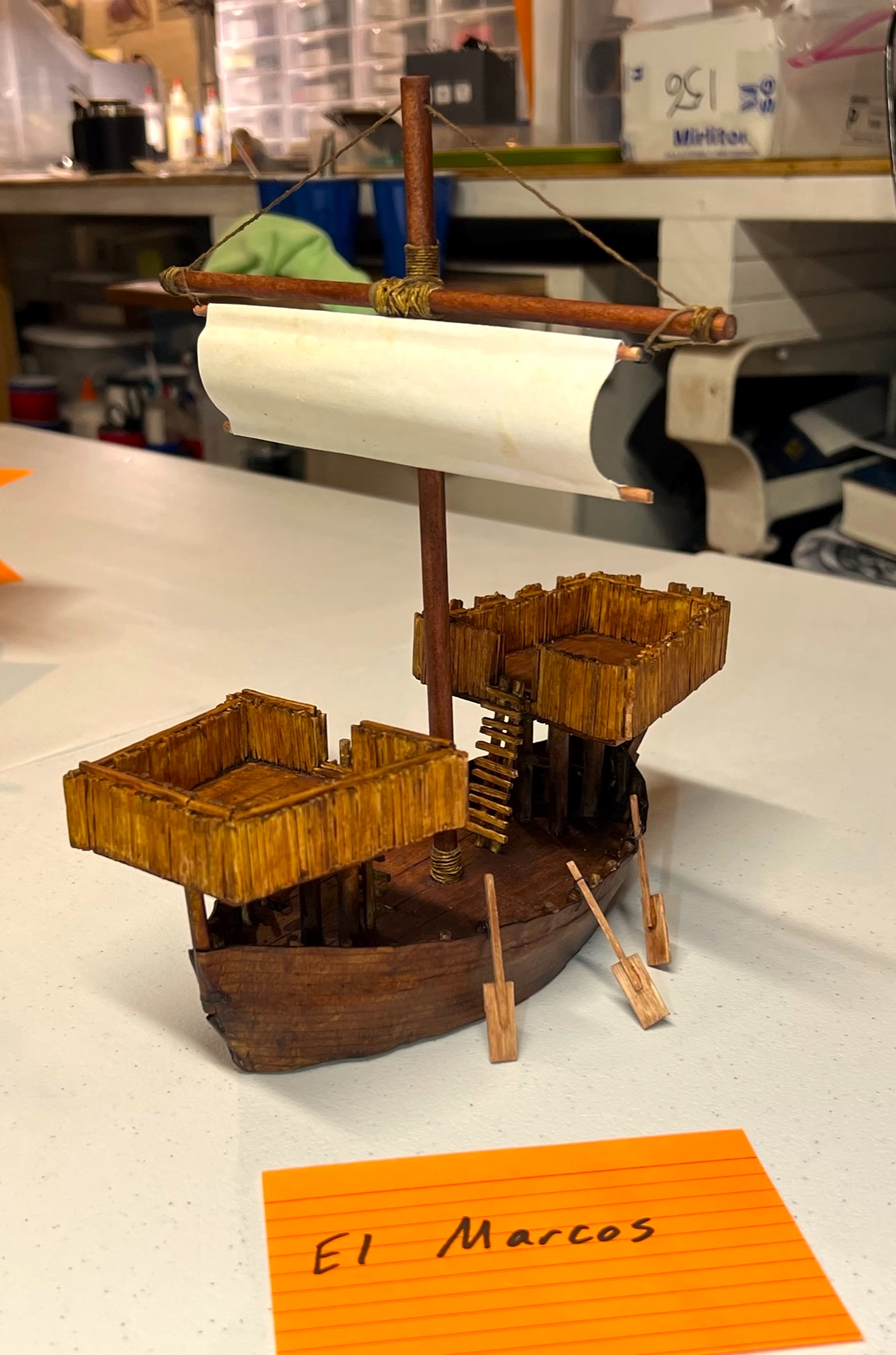
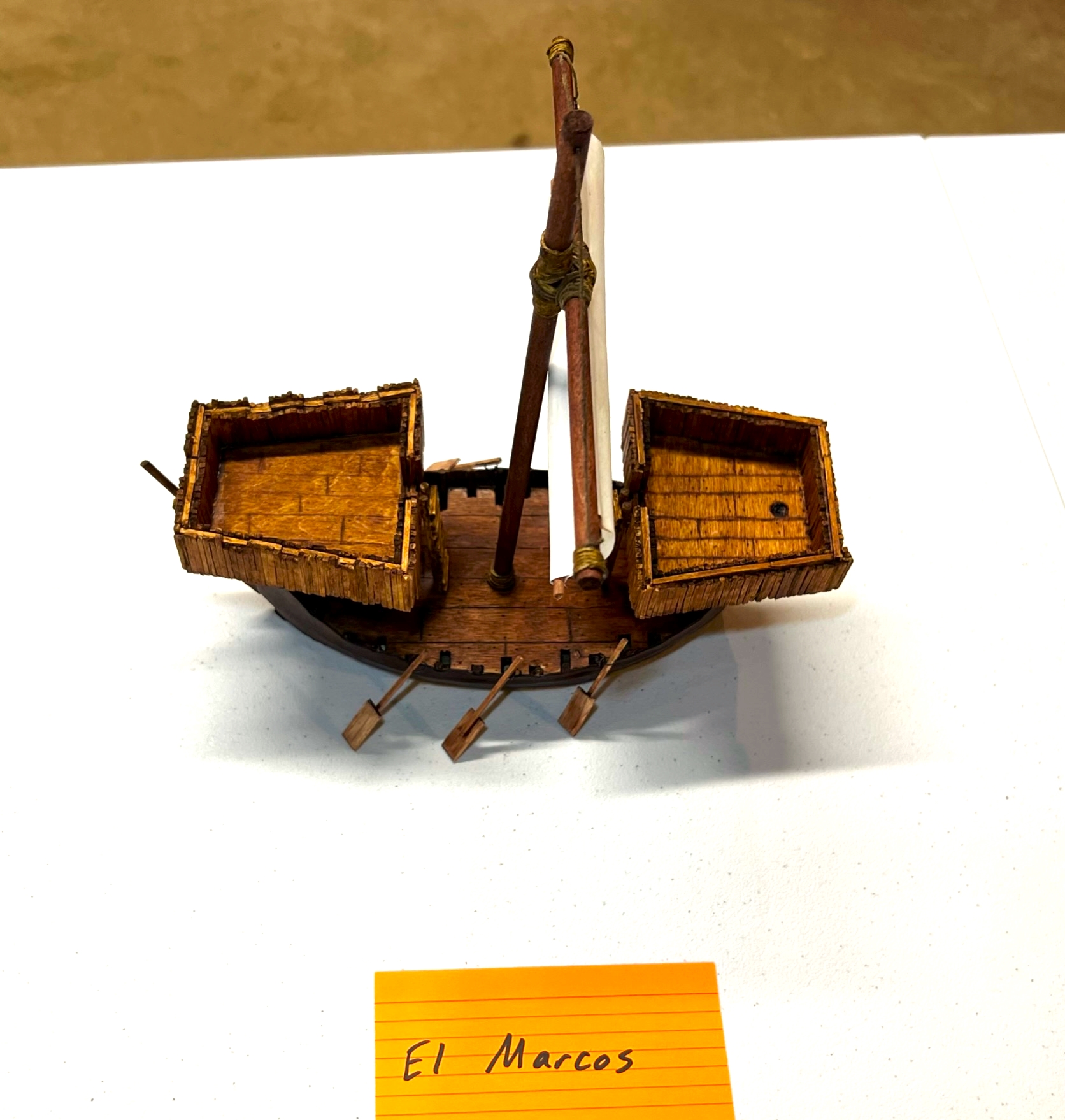
After some work on El Marcos‘ rigging, she was done.
El Marcos bow viewEl Marcos port sideEl Marcos top view
So now I had the five brigantines – and only two were exactly alike (the Sarissa models). I hoped to outfit them all with different lombards and falconets (both early cannon) plus crew. As I built these just before HAVOC 2022, this post had to wait, as after HAVOC was my vacation trip. And as mentioned – I had 5 cannon and 15 cannon crew to build for these brigantines – plus game aids for the battle. I hope to post about that project next. But first let me share a couple of group shots.
The fleet!All assembled.
Thanks for checking out this post – it was a lot to build and if PVA was toxic I’d already be dead after this. Let me know which of these you liked best (or liked least) I’d love to read any thoughts you have on this project. More to come!
Miscellaneous details and references for those interested in that sort of thing:
For all of my previous posts on games, units, and other projects for my 16th Century Spanish Conquest supplement for Feudal Patrol™ – “Civilizations Collide” – please see this page.
PAINTS, INKS, GLAZES, SHADES, WASHES, PIGMENTS, FLOCKING, GLUES AND MORE THAT I USED ON THESE SHIPS:
On the 3D-Printed Brigantines (El Dólar & El Gregorio):
3D printed Medieval Cog ship kits from Buck Surdu and Greg Priebe
Gorilla Glue
Hobby matchsticks (from West Germany in 1987!)
½” rubber tubing
Rustoleum black spray primer
Army Painter “Dark Leather” primer
Vallejo Surface Primer “German Green Brown”
Cotton twine
Wooden popsicle sticks
Wooden dowels (3/8″ and 1/8″)
Small (tiny) nails
1/8″ neodymium magnets
Paper clip wire
Jewelry/bead wire rings
Green stuff
White card stock
Elmer’s PVA Glue
Plastruct 1.5mm styrene sheets
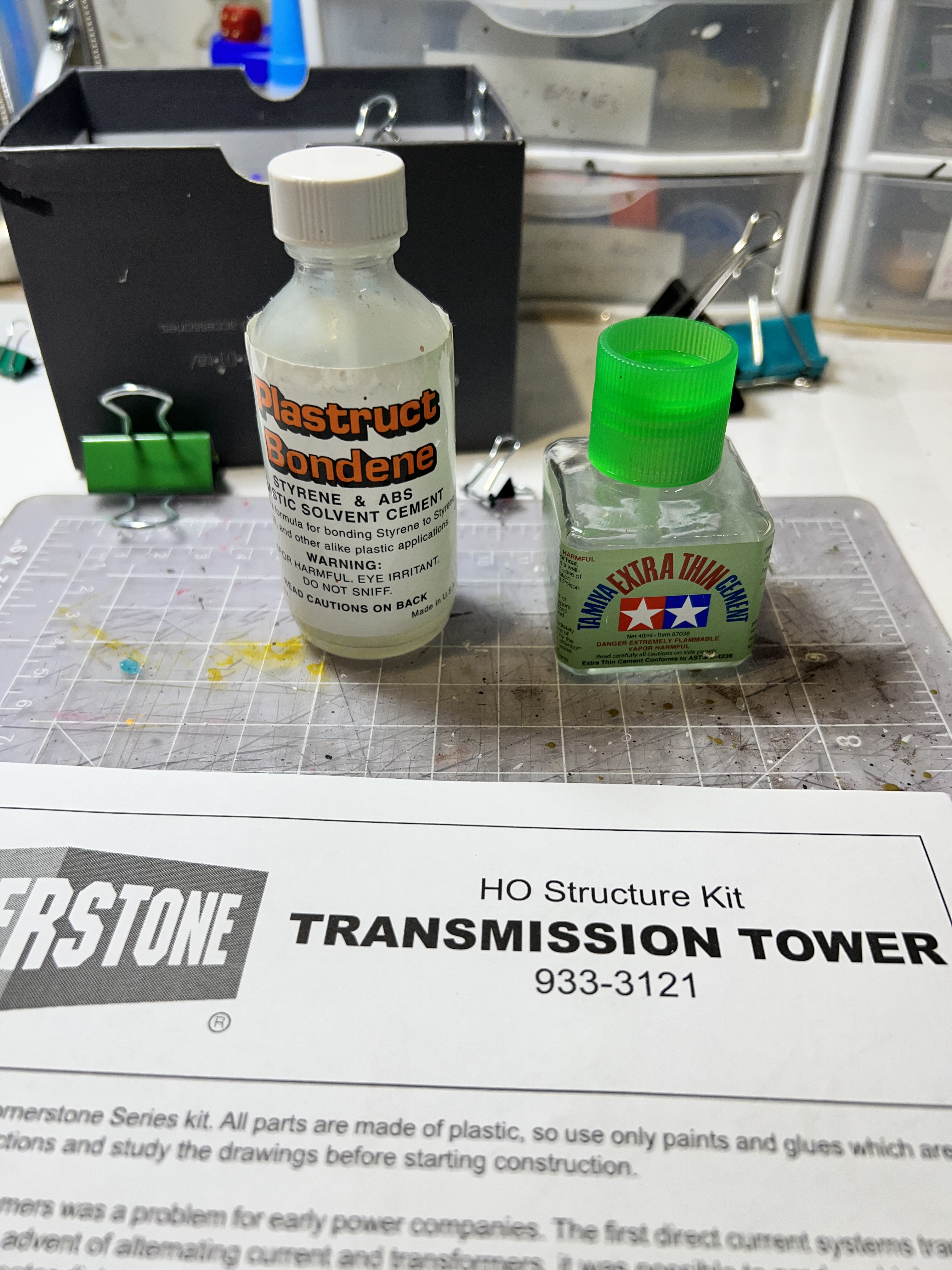
Plastruct Bondene cement
SCI Grip Fast Set solvent cement
Pebeo Studio Acrylics “Auxiliaries Modeling Paste HD”
Vallejo Model Air “Armour Brown”
Vallejo Model Air “First Light”
Vallejo Model Air “Brown”
Vallejo Model Air “Wood”
Army Painter “Mid-Brown” (shade)
Citadel “Contrast Paint – Apothecary White”
Citadel “Contrast Paint – Skeleton Horde”
Citadel “Agrax Earthshade” (wash)
Citadel “Contrast Paint – Talassar Blue”
Citadel “Chronus Blue”
Craftsmart “White”
Darjeeling tea bags
On the Sarissa MDF Kit Brigantines (EL CONQUISTADOR & El Perro de Guerra):
The city of Tenochtitlan, the capital of the Aztec Empire, rose out of Lake Texcoco on an island. This island was connected to the mainland by a series of causeways. Reclaiming land from a water body usually involves building up a surface of large stones on its bottom. These would build up into a dry surface, and would usually be supported and protected by revetments. In the case of my Aztec cityscape, the pavements’ sides that I made of MDF had nothing on the edges (except paint) next to the waterline – and I thought that needed a bit of work.
Speaking of work and the pavements, if you are new to this 5-part series on my Aztec cityscape build, you can view the previous two parts by clicking on these links:
This post will cover the revetments that I made for the cityscape, as well as some HO scale lily pad and cattail bases that I added as eye candy (and possible obscuration of gaps and even MDF warpage). As before, I will similarly share my WIP photos as well as my lessons learned.
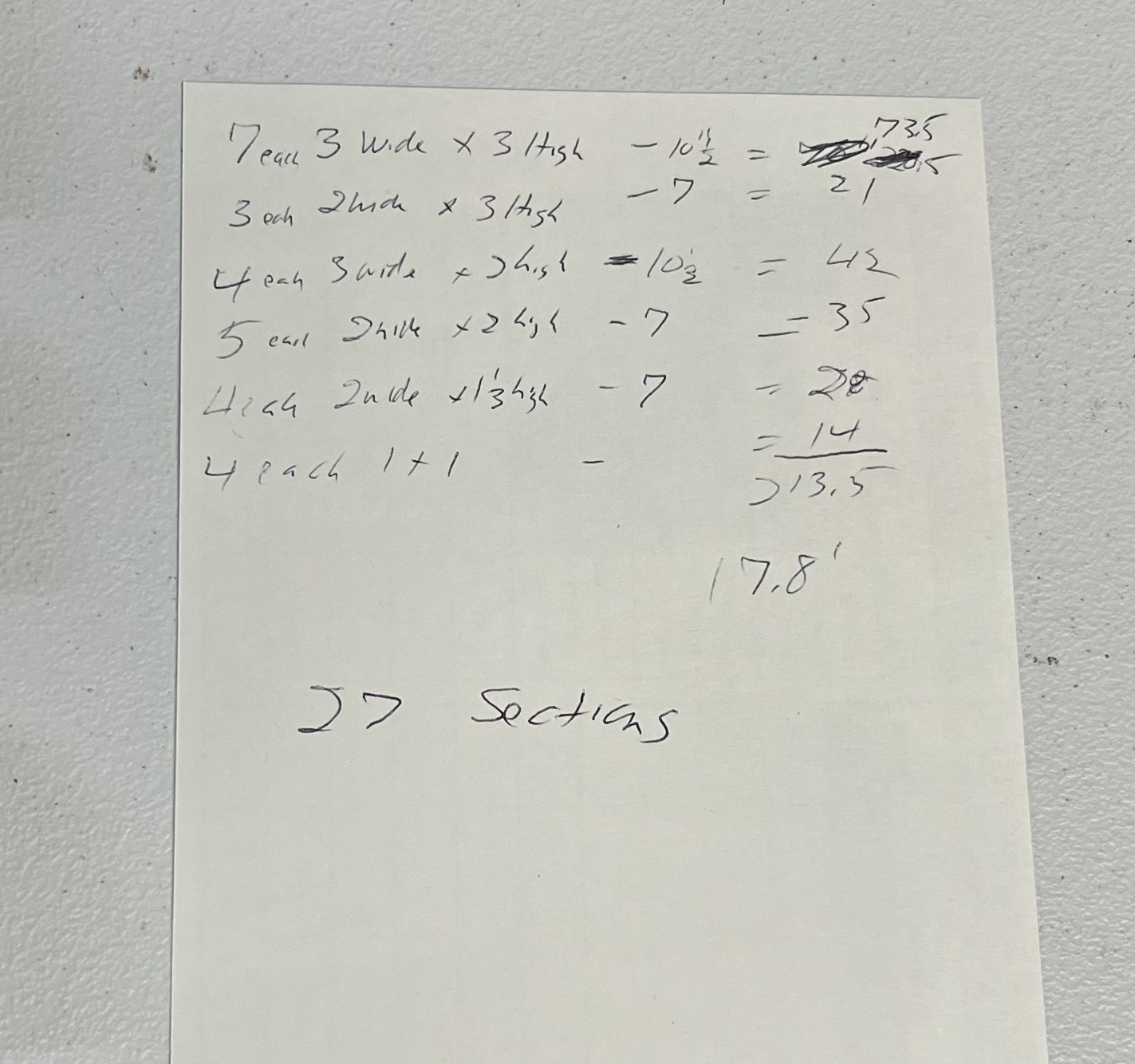
Readers of this blog know that I like a plan before building anything. I needed to figure out how many revetments to build – as I may or may not use all of my causeways or even my pavement tiles. Also, I had to figure out the sizes of inner corners versus outer corners (since they are differently sized up against the pavement tiles – so you just need to measure the side against the tiles).
My updated plan for building the cityscape.
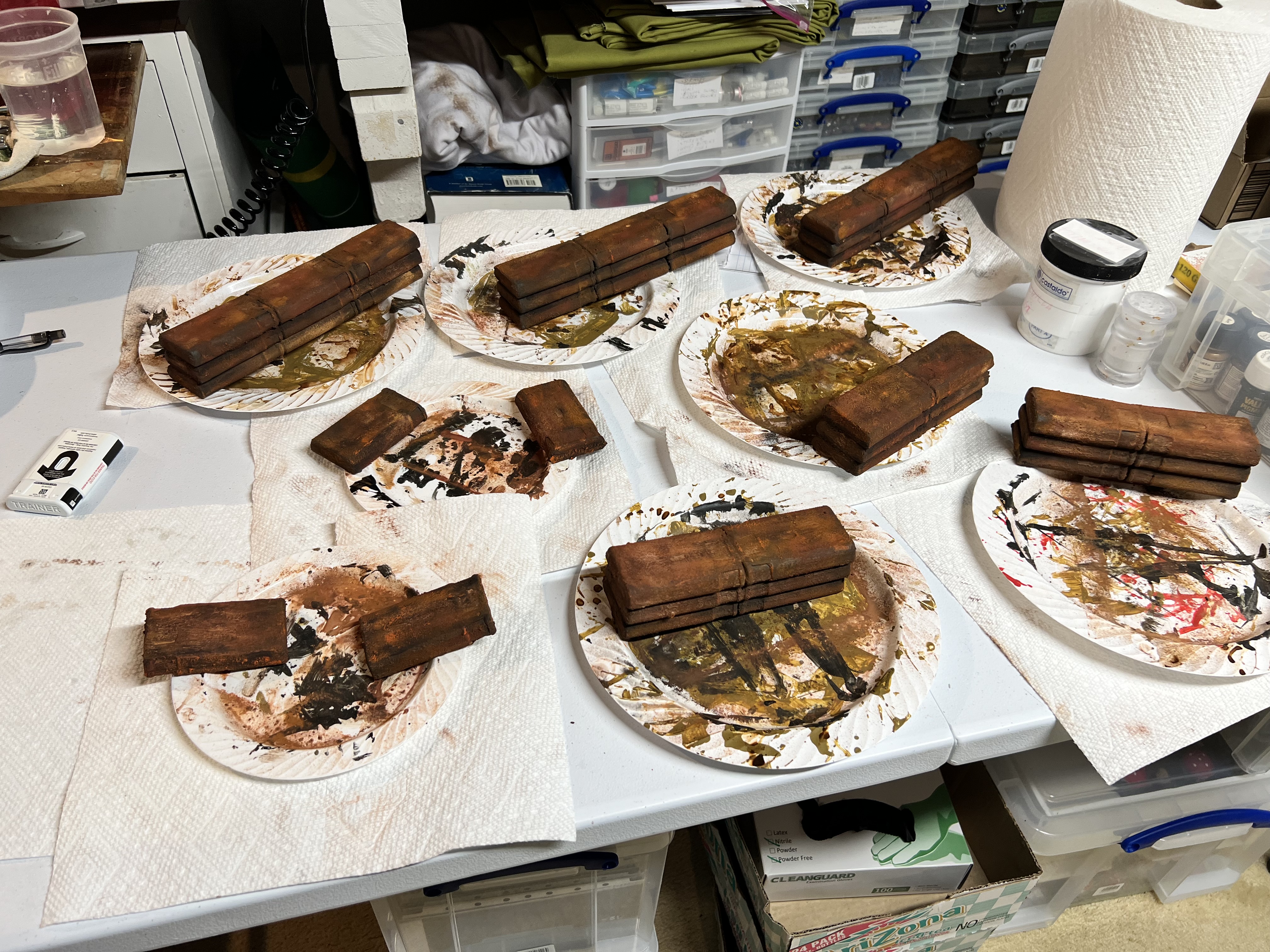
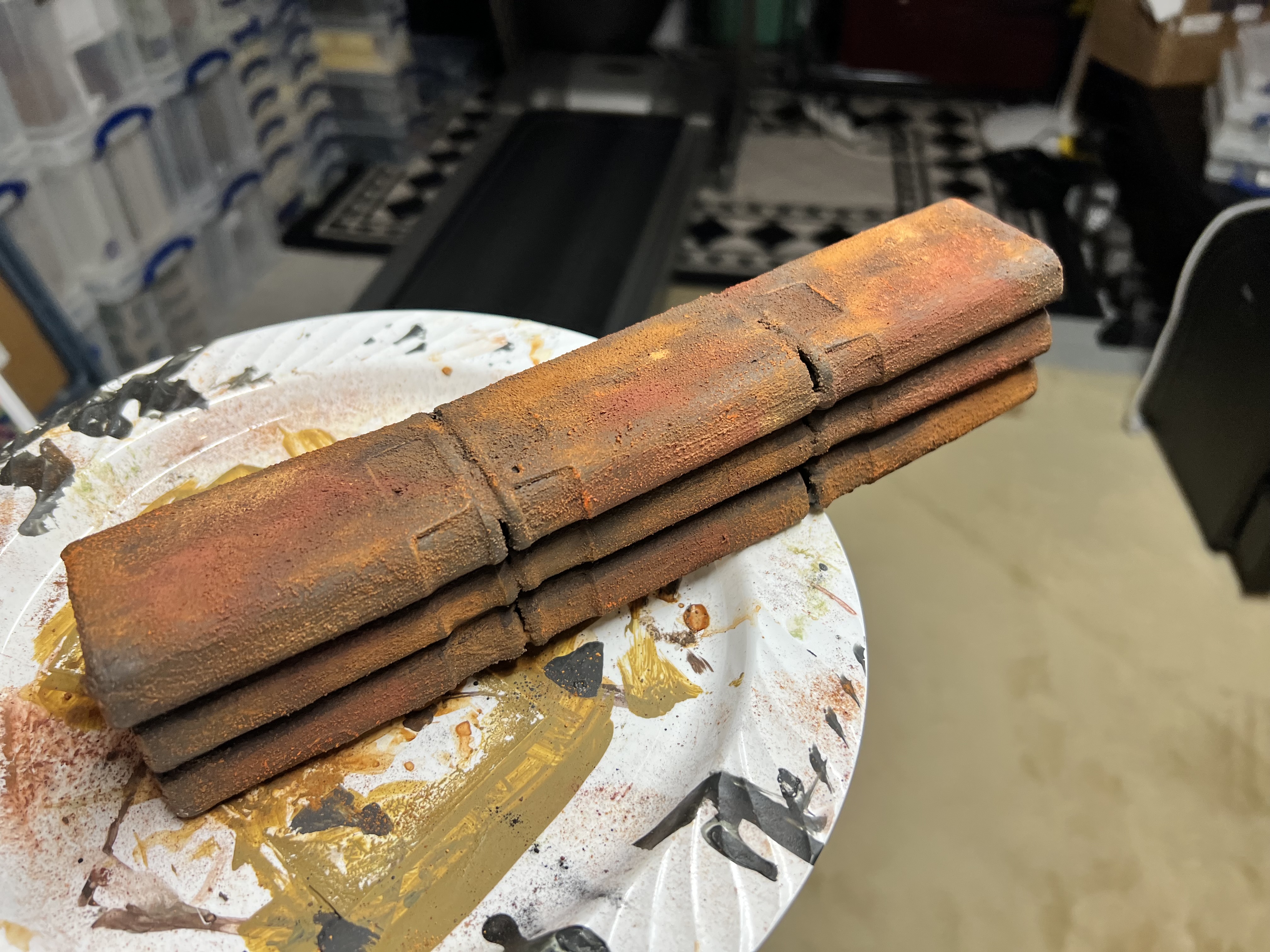
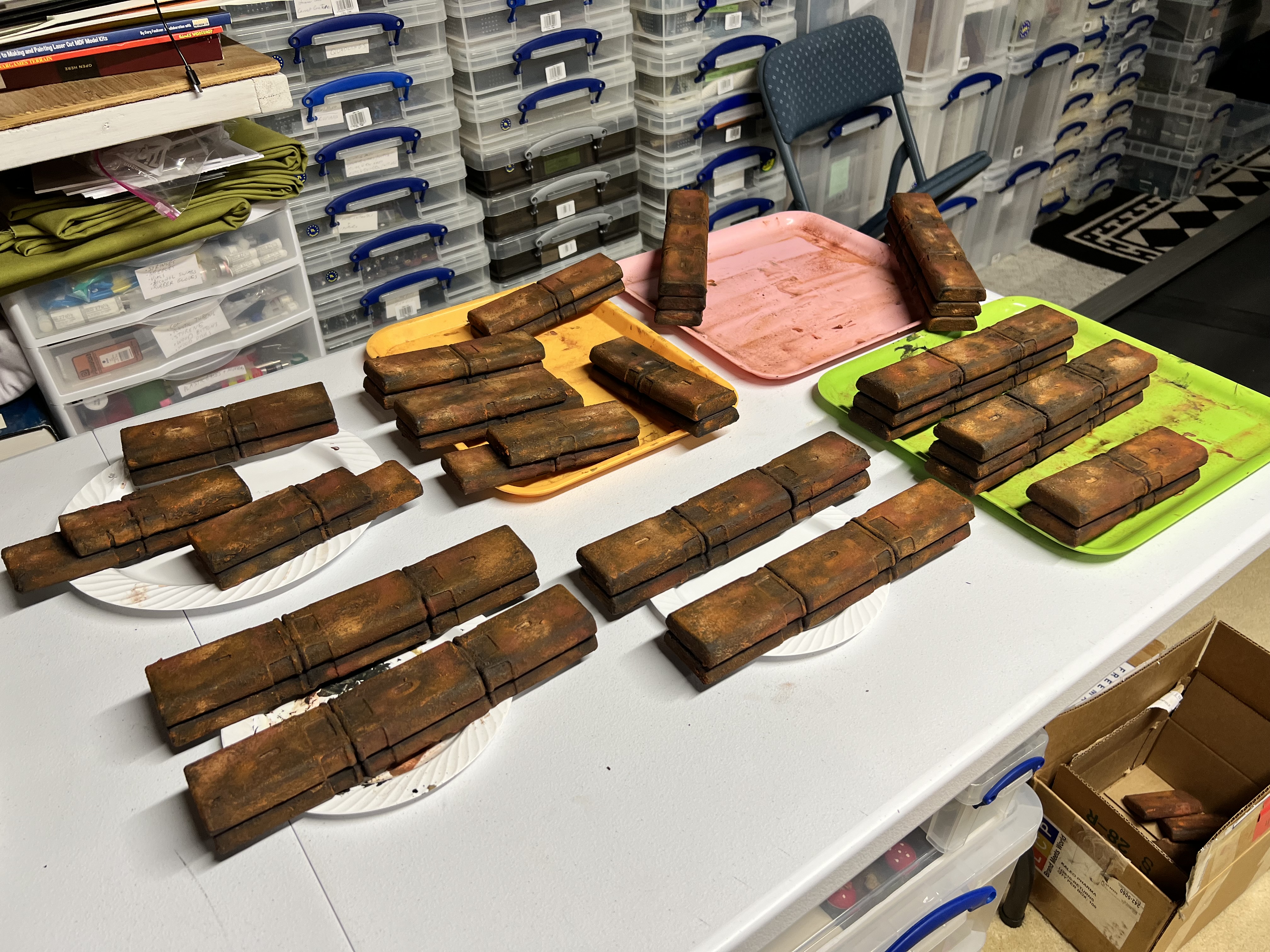
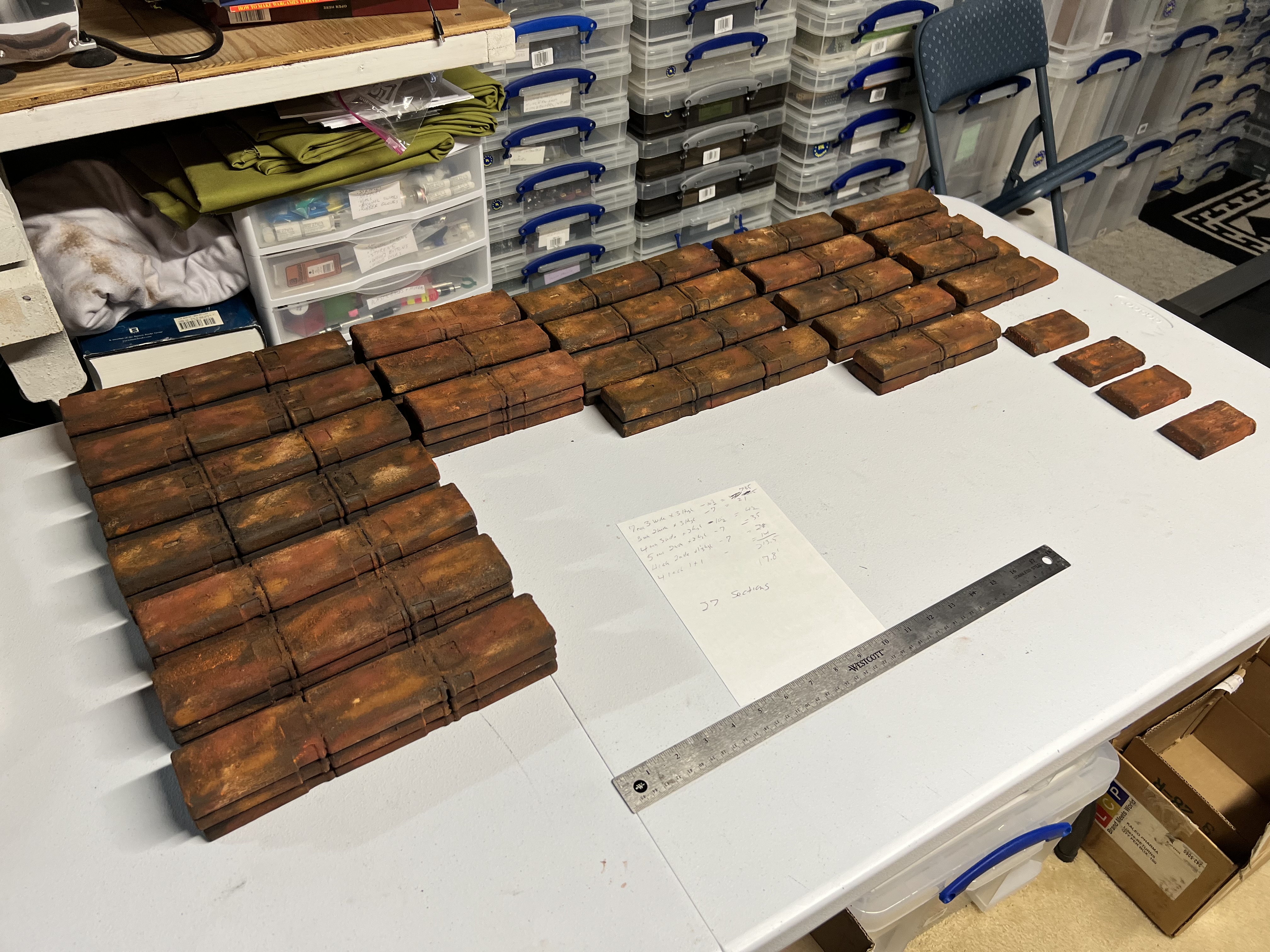
I ended up following the same type of build and painting scheme as I did for the causeways – after all they had to match too aesthetically. As far as quantity, I ended up deciding to build 48 on 1/2″ strips of balsa. The breakout from the plan above came out to be:
6″ sections (10)
5″ sections (10)
4″ sections (10)
2″ sections (4)
1″ sections (2)
External 1″ x 1″ corners (8)
Internal 1″ x 1″ corners (4)
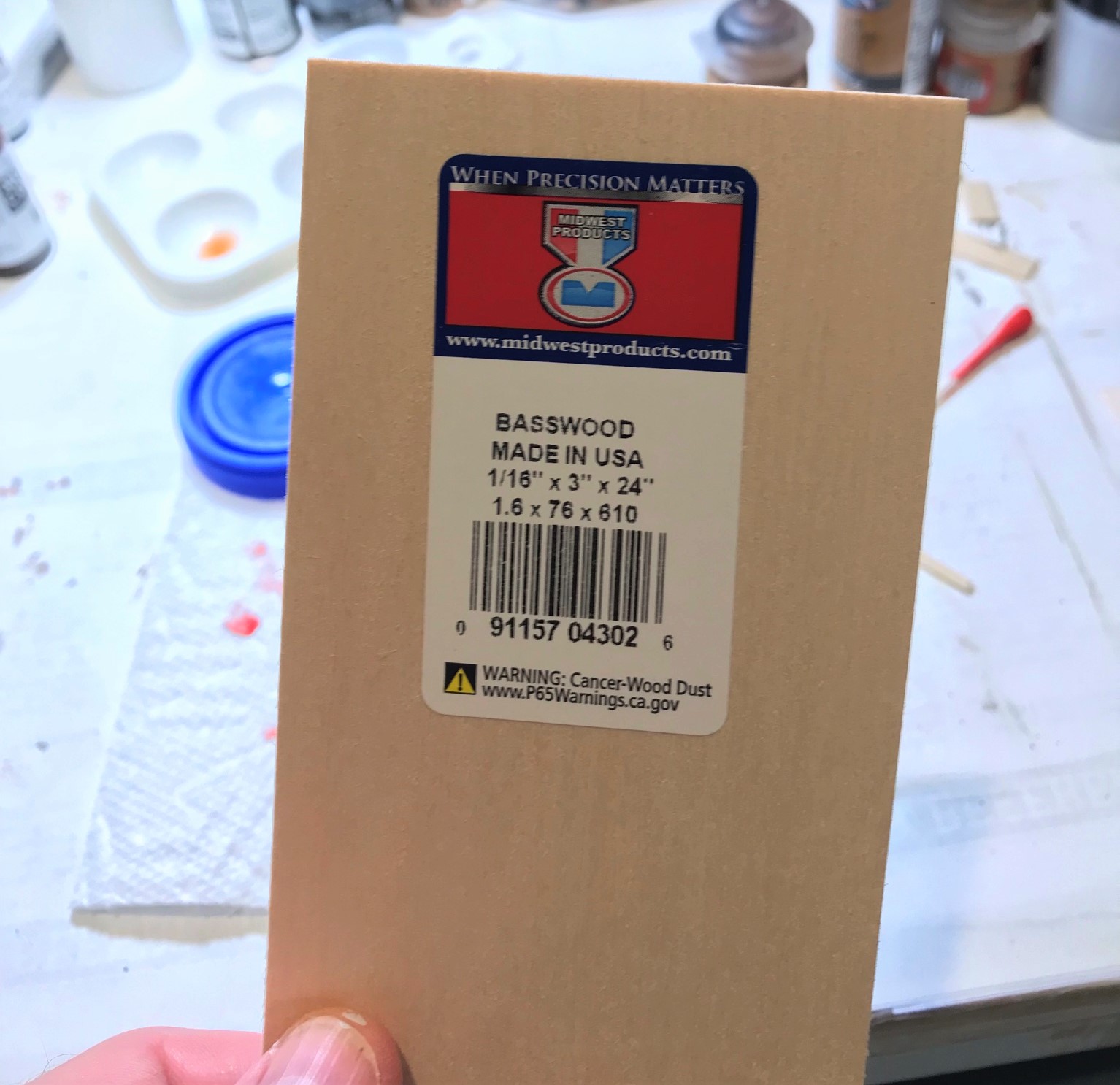
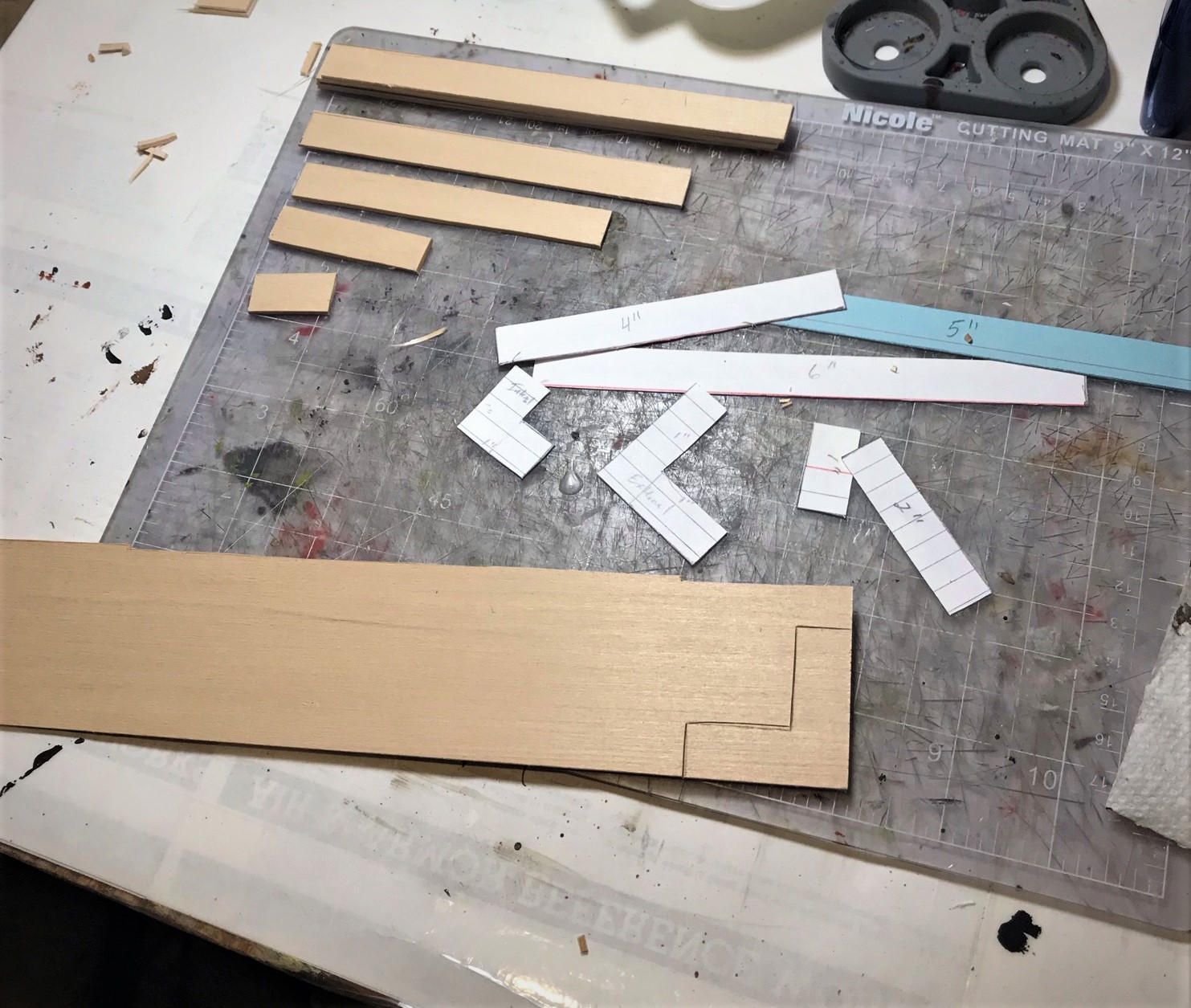
I made templates from 3′ x 5″ cards and used them to size and cut up some basswood (balsa like but stronger and denser) into the strips for gluing the rocks.
The basswood.Here you can see my templates, and the WIP. My inventory is building up in the top left.After I cut a few, I dry-fitted them around a couple of pavement tiles and compared them to the causeways as well for width. It looked good at this juncture to continue.
Once the bass wood pieces were all cut, the gluing began, similar to the process I used on the causeways. Each pebble had to be glued one at a time in 2-3 courses of different sizes – while letting each course dry before moving on to the next one. In terms of pebbles, I estimate that for the 184 linear inches that I put about 10-15 pebbles per inch. That means for the revetments alone I glued an estimated 1,840 – 2,760 pebbles/rocks!! Add in the six two-sided foot-long causeways, and that makes an estimated 4,720 – 7,080 pebbles that I glued down. Ok, now I know why these took so long!
Mid-project showing different levels of rock-laying completion. Here are 48 – including two more 6″ prototypes.Close up shot of progress later on in the project.
After all had dried, it was on to painting the two-tone colors, and adding slime and shade to the rocks.
After the two-tone priming.Completed revetments.
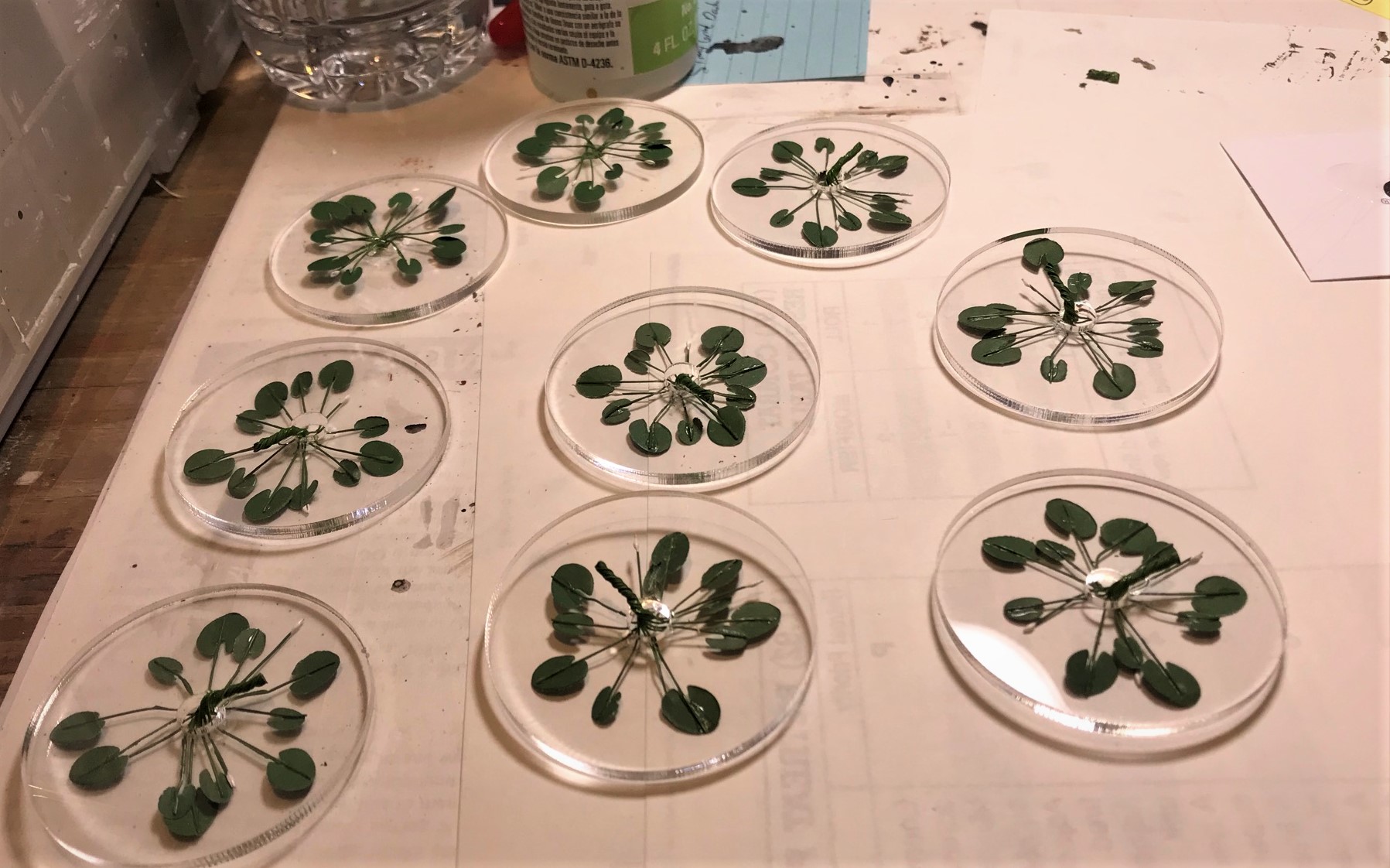
Next, I made some lily pads and cattails on some acrylic bases. These were HO scale from JTT Scenics that I got on Amazon. The link for the lily pads is here and the link for the cattails is here. I wanted to be able to further differentiate the lake and to have some verticality of structure along the waterline – such as you see in the picture below.
A painting of Cortes at the Battle of Tenochtitlan (from Britannica). Note the cattails.
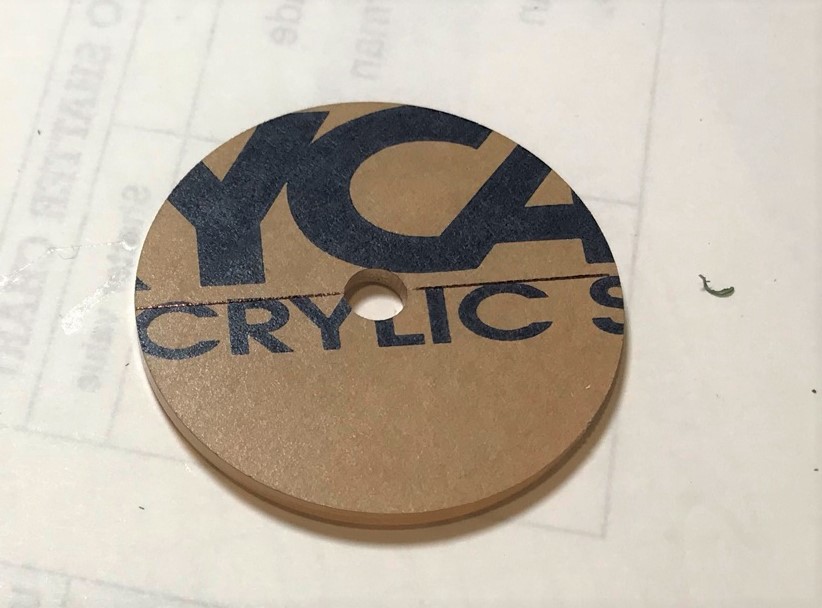
I bought some 2″ clear acrylic bases years ago (2017), and had some in storage. I thought they would work well for the lily pads. They come with removable protective paper over them so that they had no scratches.
Acrylic base – there are many suppliers on Amazon. Here is where I got mine.The lily pads here are upside-down. The lily pads and their flowers are made on thin wire wound together – so if you cut the wire they all just fall apart. Initially, I used Gorilla Glue on the prototype, but decided to change course and fill the bottom of the wires and the holes with Vallejo “Transparent Water” Environmental Effect. Being careful not to overfill, this worked well and allowed me to cut the wires afterwards with no problems. I then used the water effect on the surface of the lily pads’ discs.The lily pads after the surfaces got the water treatment. They are still pretty clear, and will be good on either a water or a swamp mat.
The cattails bases were basically half-moons I cut away (removing the center hole) with my scroll saw. Then I drilled holes to put 4 in each base. I used the Vallejo “Transparent Water” Environmental Effect in a similar way as the lily pads, and after I cut the cattail wires I placed the excess on the base as cattails that had fallen over.
The product – I had 24 cattails that I put on 6 discs.
Cutting the discs
Randomly drilling the discs
Very clear acrylic even after drilling.
Making the cattail bases.Finished cattail bases.
Now, let’s see how they look on the gaming mat!
The revetments help fix the gap – here before…
…and after placement.
Revetment comparison.Pavement with revetments.Revetments, lily pads and the cattails on the mat.Extreme close up shot of the intersection of pavements, causeways, revetments, and cattails.
My goal with these was to create a visual distraction form the MDF edges. I think that they work fine – and of course you can let me know in the comments section if I am off-base (really, you can) or how you might have proceeded differently. Again, I tried meet the Aztec criteria of symmetry.
Thanks so much for looking – I hope it was helpful or at least interesting!
My next post will cover Cortes’ War Wagons that he employed with his troops in their breakout/ escape from Tenochtitlan during La Noche Triste.
For all of my previous posts on games, units, and other projects for my 16th Century Spanish Conquest supplement for Feudal Patrol™ – “Civilizations Collide” – please see this page.
PAINTS, INKS, GLAZES, SHADES, WASHES, PIGMENTS, FLOCKING, GLUES AND MORE THAT I USED ON THESE TERRAIN PIECES/MODELS:
Basswood (1/16″ x 3″ x 24″ pieces) (on revetments)
Ashland Decorative Filler (rocks) (on revetments)
Elmer’s PVA Glue (on revetments)
Vallejo “Surface Primer Grey” (on revetments)
Reaper MSP “Black Primer” (on revetments)
Citadel “Nuln Oil” (shade) (on revetments)
Vallejo Environment “Slime Green Dark” (on revetments)
JTT Scenery Products HO Scale Lily pads
Gorilla Glue
Clear 2″ Acrylic Bases with center holes
Vallejo Weathering Effects “Transparent Water” (on acrylic bases)
An Aztec cityscape gaming table would be incomplete without the use of proper pavements. Tenochtitlan was not built to look hardscrabble. These pavements would need to go under the massive buildings I had to represent the city of Tenochtitlan, the capital of the Aztec Empire. This post will cover the pavements I made for the cityscape. As I shared in my previous post, Building an Aztec Cityscape – Part 1: Causeways, Lifting Piers, and Removable Bridge Sections, I will similarly share my WIP photos as well as my lessons learned.
Many contemporary images of Tenochtitlan show a brilliantly white city. I am not convinced that this was its actual appearance. Much of the rock used would have been basaltic or limestone-like in quality. Both are subject to oxidation, and turn brownish-grey over time. That would be particularly true for pavements that were exposed daily to the intense rays of the sun. The painting below reinforced my decision not to go with a white/bleached appearance of stone structures for this project. I went more brownish/grayish.
A painting of Cortes at the Battle of Tenochtitlan (from Britannica). Note the brownish appearance of the masonry.
As with the causeways that I built, I used the MDF sheets I bought from Home Depot. They were 1/4″ thick sheets of 2′ by 4′ that Jeff Smith helped me to cut into ten 1’x 1′ and ten 6″ x 6″ sections. Then I laid them out to see if my initial layout concept would work. It did. But, unlike the causeways, I had an idea that the pavements should look weathered, and have some patterns sculpted onto them – Aztec patterns.
The initial plan
Jeff cutting the MDF
Dry-fitting the MDF on a swamp mat
A few months prior I had learned from a friend in Maryland (Greg Priebe) that he had a surplus Aztec Roller from Green Stuff World (see it here). I was deep into painting the figures that I had at that point – but I traded some Ral Partha Vikings to him for it – with some idea that I would use it when I got to the point of building a cityscape – somehow. (THANKS GREG!!)
I was not going to like just having the MDF just be painted, I wanted a more tactile, almost 3D effect on them.
However, we are talking about 15 square feet of surface! I considered using green stuff and Apoxie Sculpt (both too expensive and potentially difficult for a huge build like this). I considered using modeling clay and then baking it and passed as that would end up potentially with either MDF on fire or a cause for my wife to terminate my existence for using her stove or both. After perusing YouTube for some ideas on sculpting on the MDF, I found this video from a guy named Luke in the UK where he used DAS clay mixed with PVA glue to use with Green Stuff Rollers. I decided that I would give that approach a go. I bought this DAS in white at Michaels.
Before I started, I needed to test and practice with the roller itself. It has a rectangular pattern, but it is a roller. Therefore, I would need to know where to start and where to stop. The solution came in borrowing some of my granddaughter Tabitha’s Play-Doh and marking a start and stop point on the roller with a Sharpie (and then returning the Play-Doh of course). This also let me figure out how large the imprint would be.
The roller pattern on Play-Doh as a test pattern.
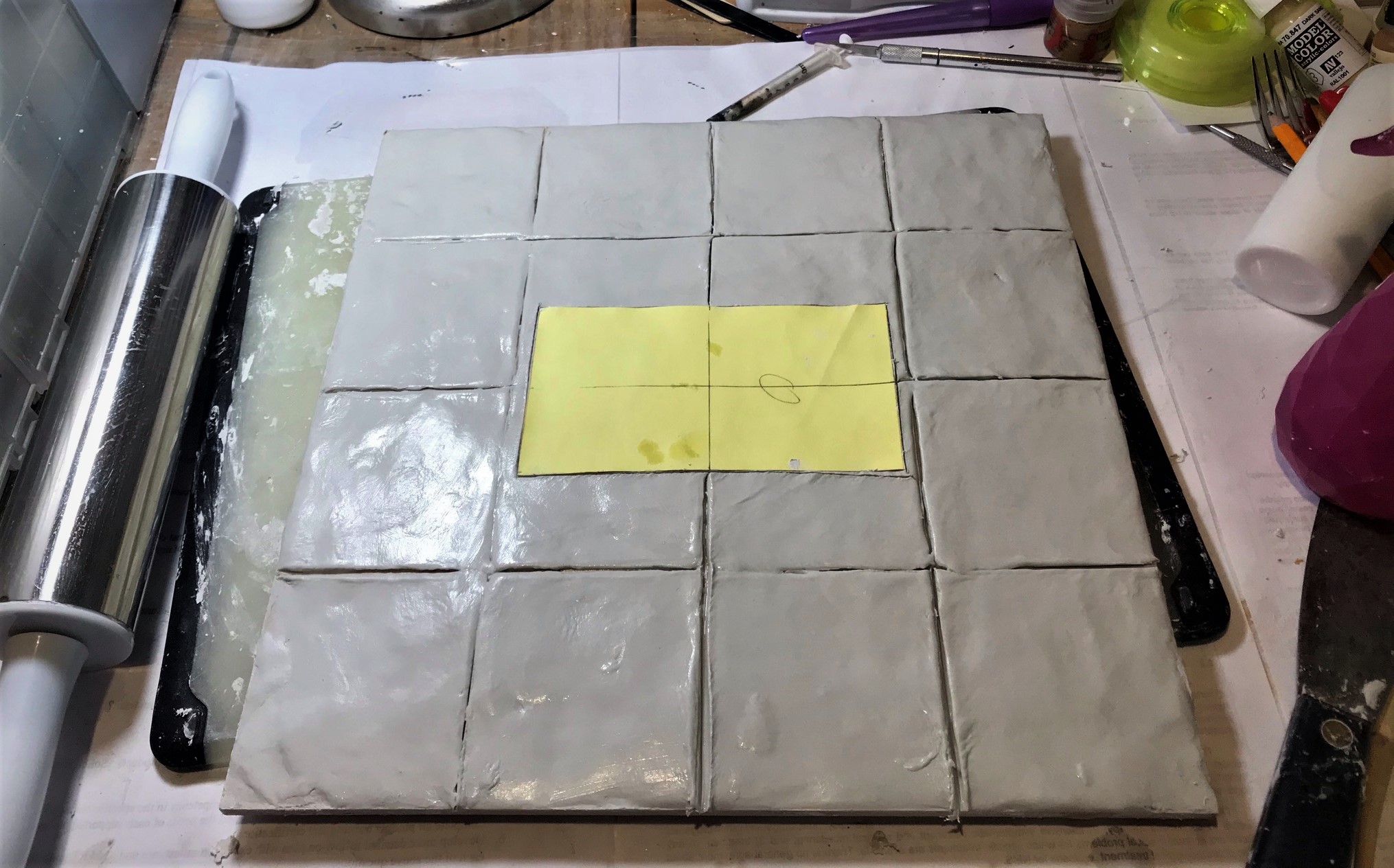
The next step was to figure out the marking/sculpting plan for each pavement. I decided that having 3″ x 3″ squares would work well with both the larger and smaller MDF tiles. I needed to have a properly-sized template for the Aztec roller such that I could center it on the sculpted tiles. I planned to do 6 large tiles with the roller imprint, 4 without, and 9 small tiles without the roller imprint, and one with it. The roller imprint would be approximately 3″ x 5.5″.
Designing the larger (1′ x 1′) tile with the roller imprint centered.
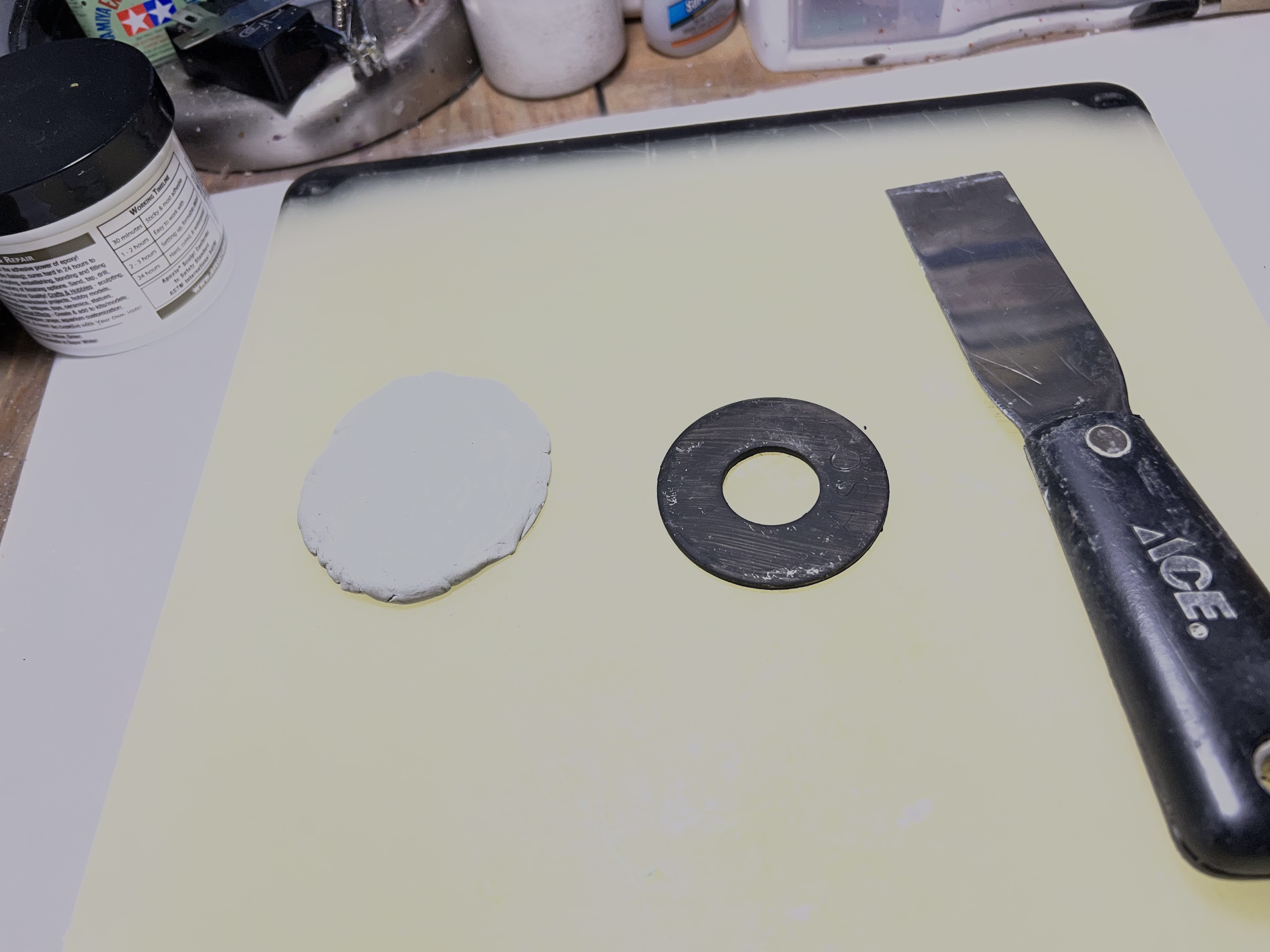
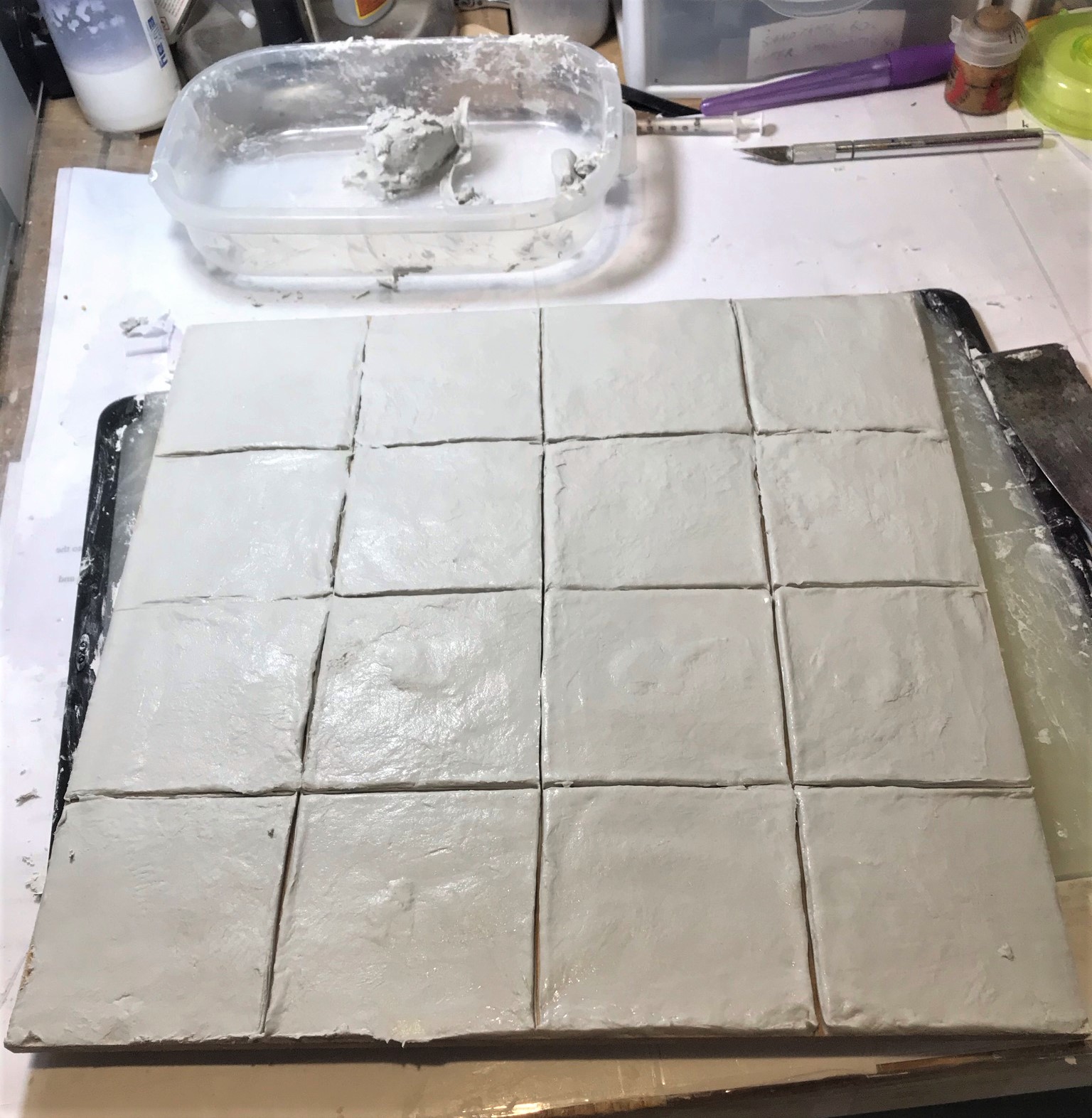
It was now time to, well, get all messy and sticky with DAS and PVA. I used a smooth pastry roller (my own thank you not my wife’s), and a carpenter’s square (also mine!) to smooth out the DAS/PVA as well as to score lines in the mix at 3″ intervals. I used separate plastic tubs to mix the DAS/PVA and to clean my tools.
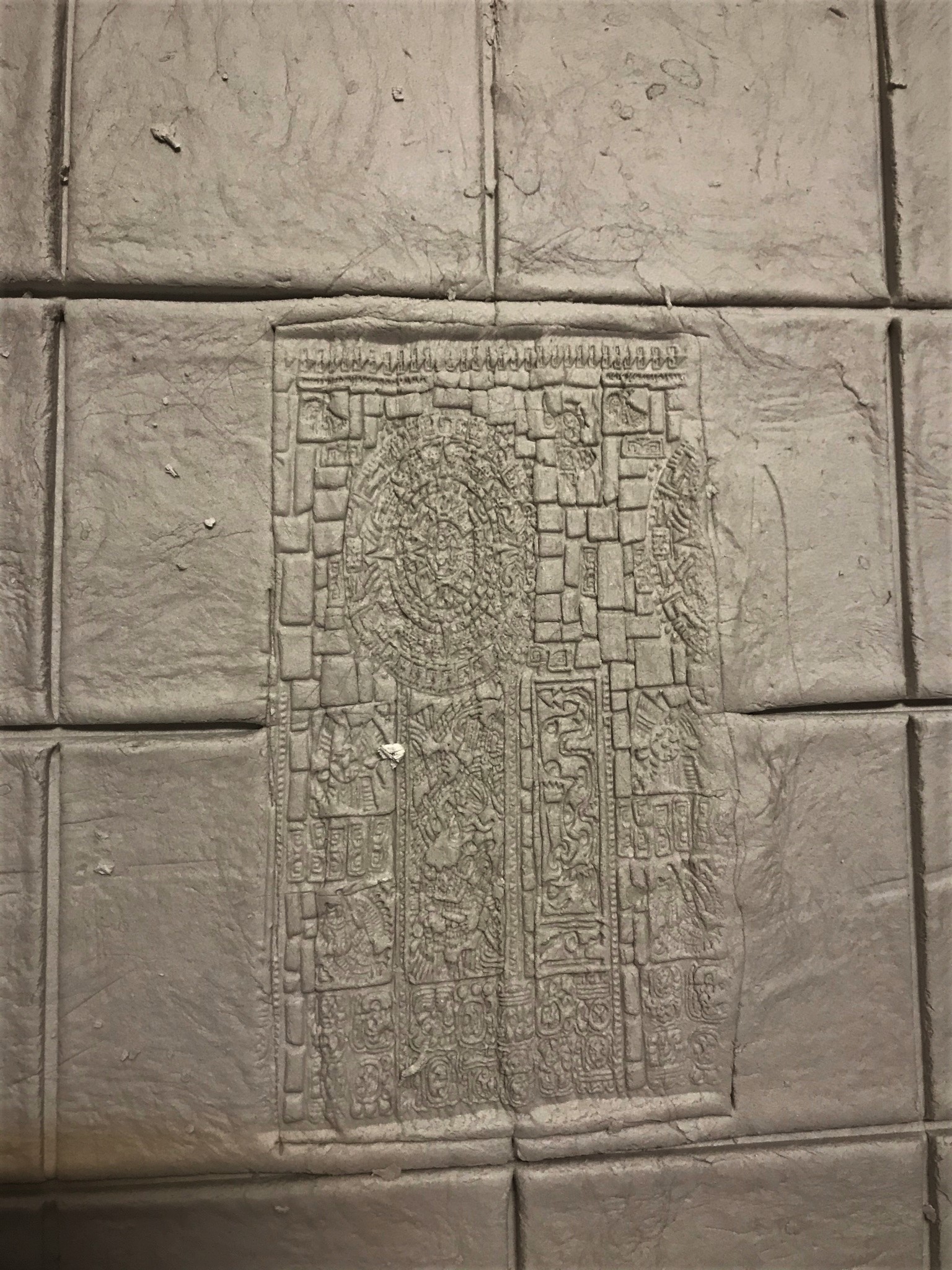
A tile without an imprint.This shows how I sculpted the tile surfaces for the roller. The DAS/PVA mix is on top – and I used a roller and wet fingers to smooth the top. Then I marked off 3″ squares and drew the edge of the carpenter’s square across as a tool. If there was to be an imprint, I placed and traced the template as you see here. Then, I would use the Aztec roller to make the imprint.An example of the rolled imprint. It was not always perfect, but I was able to smooth out the edges as best as I could. I expected to be able to make them work – and in the end they did. This was the worst example – I got better over time. In any case, when I was dry brushing I was able to make all look pretty good (though you can be the final judge).
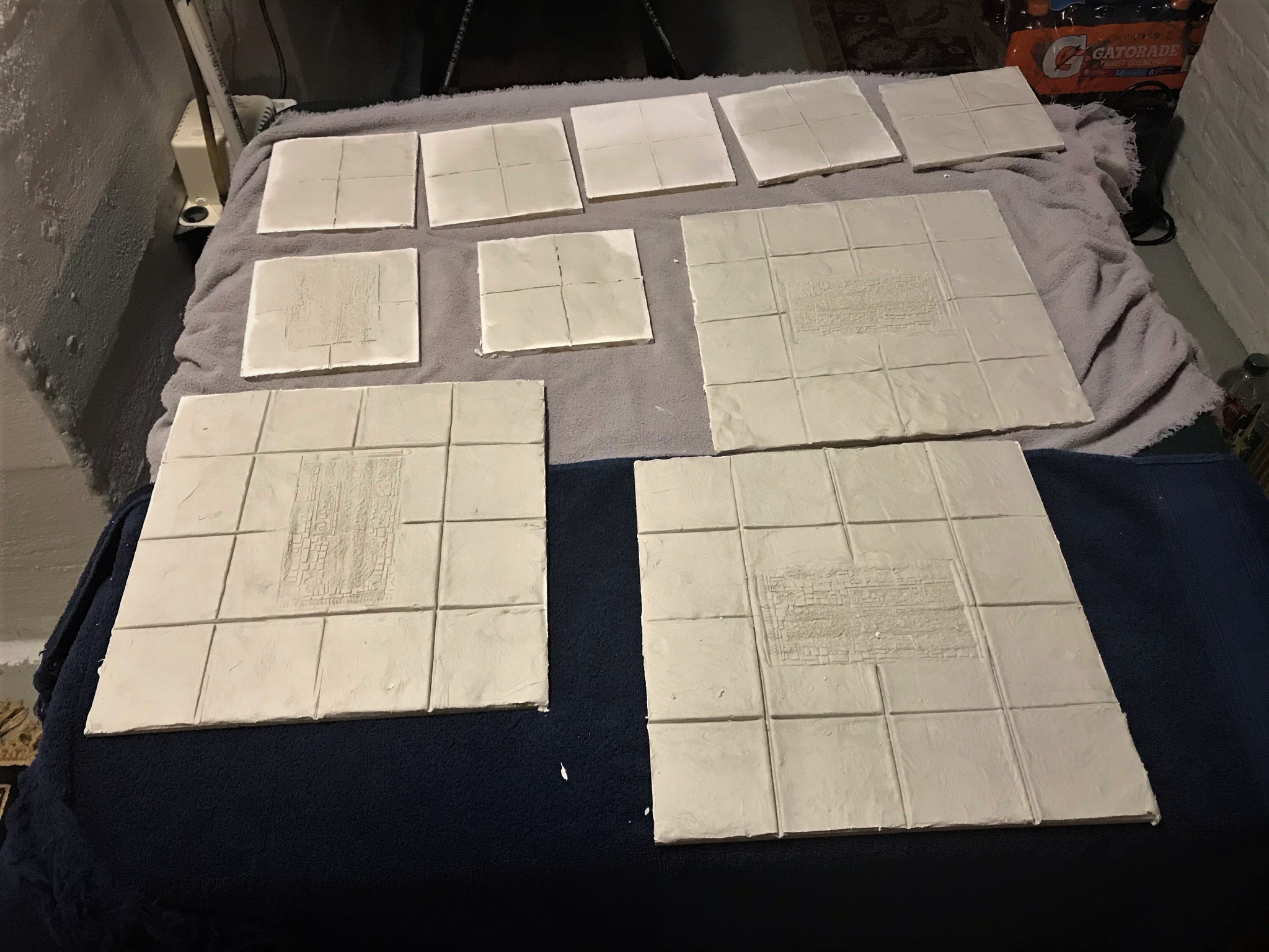
The roller worked fairly well, though there was a learning curve to be sure. I definitely needed to have a tub of water, a brush, and microfiber towels to clean it (and my tools) constantly. The DAS/PVA on the MDF was left to dry over 24 hours. On a few of the larger tiles, I was surprised to see some of the MDF had a bit of warp from the drying clay/glue combo. The smaller pieces had none. Lesson learned. Certainly, finding enough flat surface for all 15 square feet to dry was not easy. I ended up using multiple card tables in the cellar. Yes, the wife was annoyed again. This whole process used up three packs of DAS – that’s 3 kilograms/6.6 pounds – of the stuff.
Drying tiles.
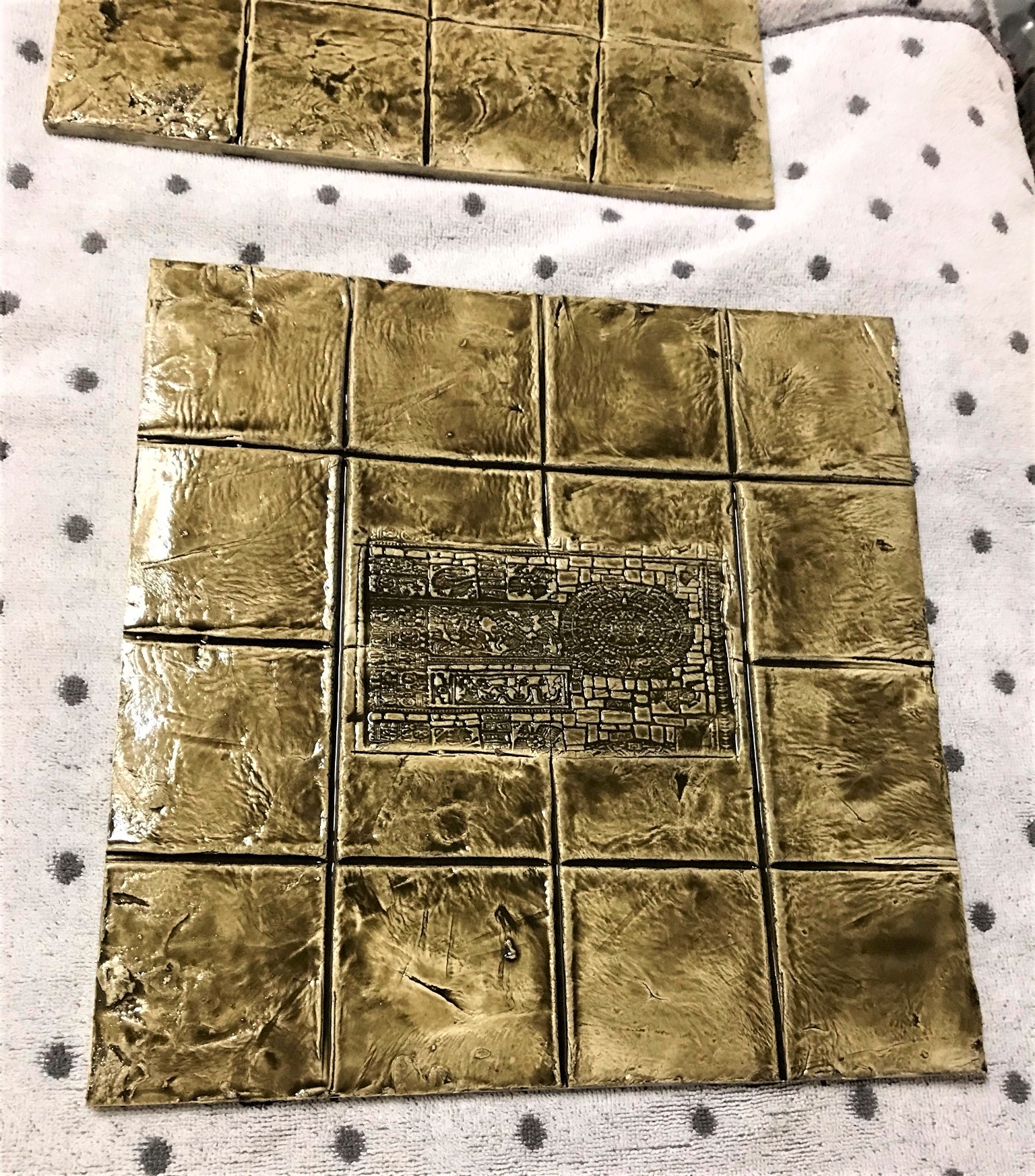
Once they had dried, the next question was how to paint them? I decided to use up my cans of Army Painter Strong Tone and Soft Tone (the dip), as they would be otherwise gathering dust in my paint shed. They theoretically would provide a bit of protection as well. Again, I also needed 24 hours of drying after application – yet again.
The Army Painter “dip” drying.After the dip dried. I was happy with the way the pavements looked, except for the glossy effect.
Normally, I do not use spray varnishes, but these large pieces were good candidates for a spray of Krylon matte varnish. It was warm outside, so I gave them a coat. All went well – until some of the pieces – mainly one – started bubbling up like a cheese pizza. AHHHHH!
From what I could figure out, that was caused by the aerosolized solvent in the can vaporizing in the DAS and trying to release through the varnish and the dip surface. Luckily it was only on one large tile, but that tile took a rework and made this last at least a week or two longer as I tried to find the right combination to recreate a similar color. This took me into mid-July.
More drying time needed! Hell, drying SPACE. 15 square feet to go on a 24 square foot mat is a lot!
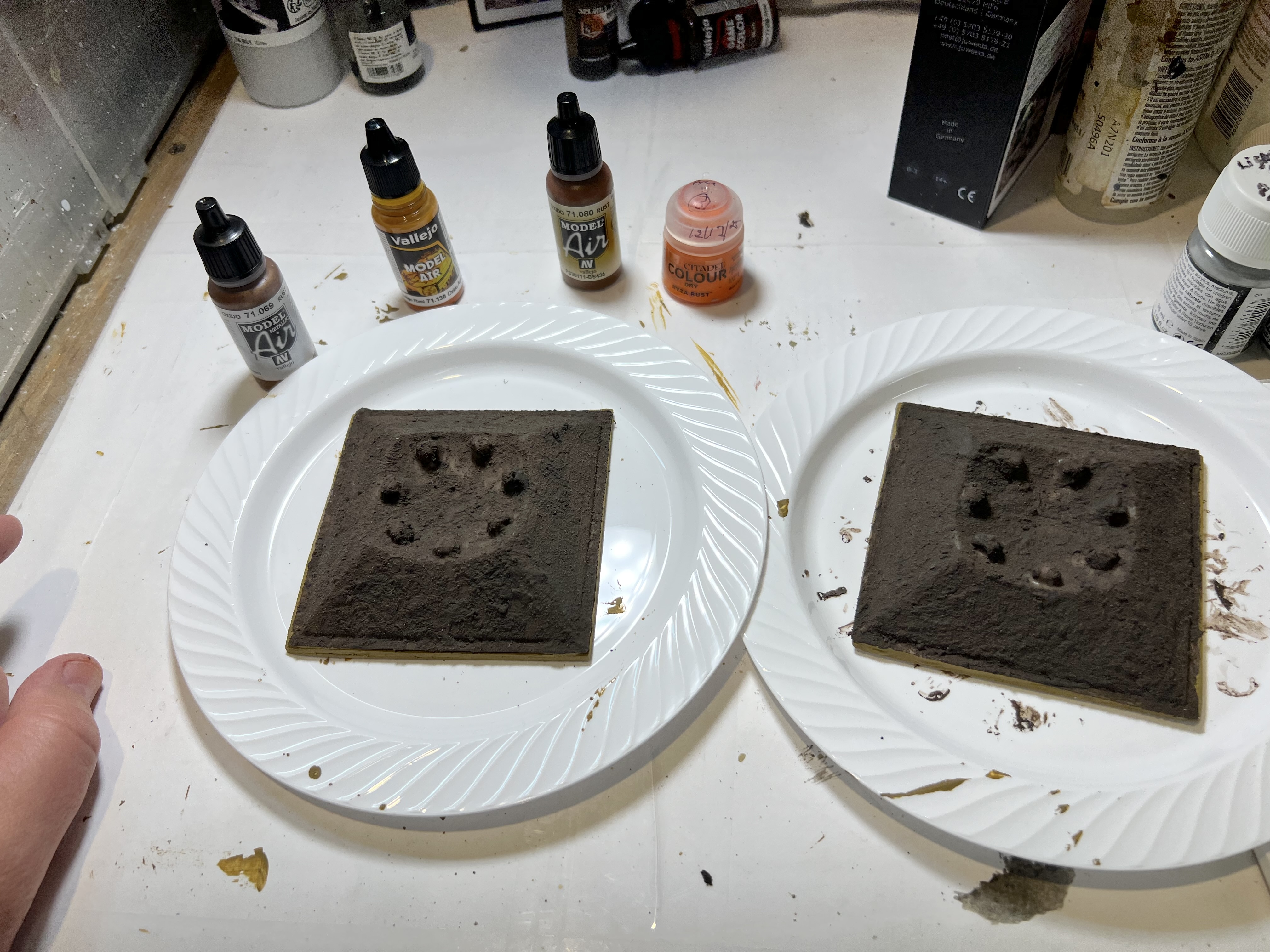
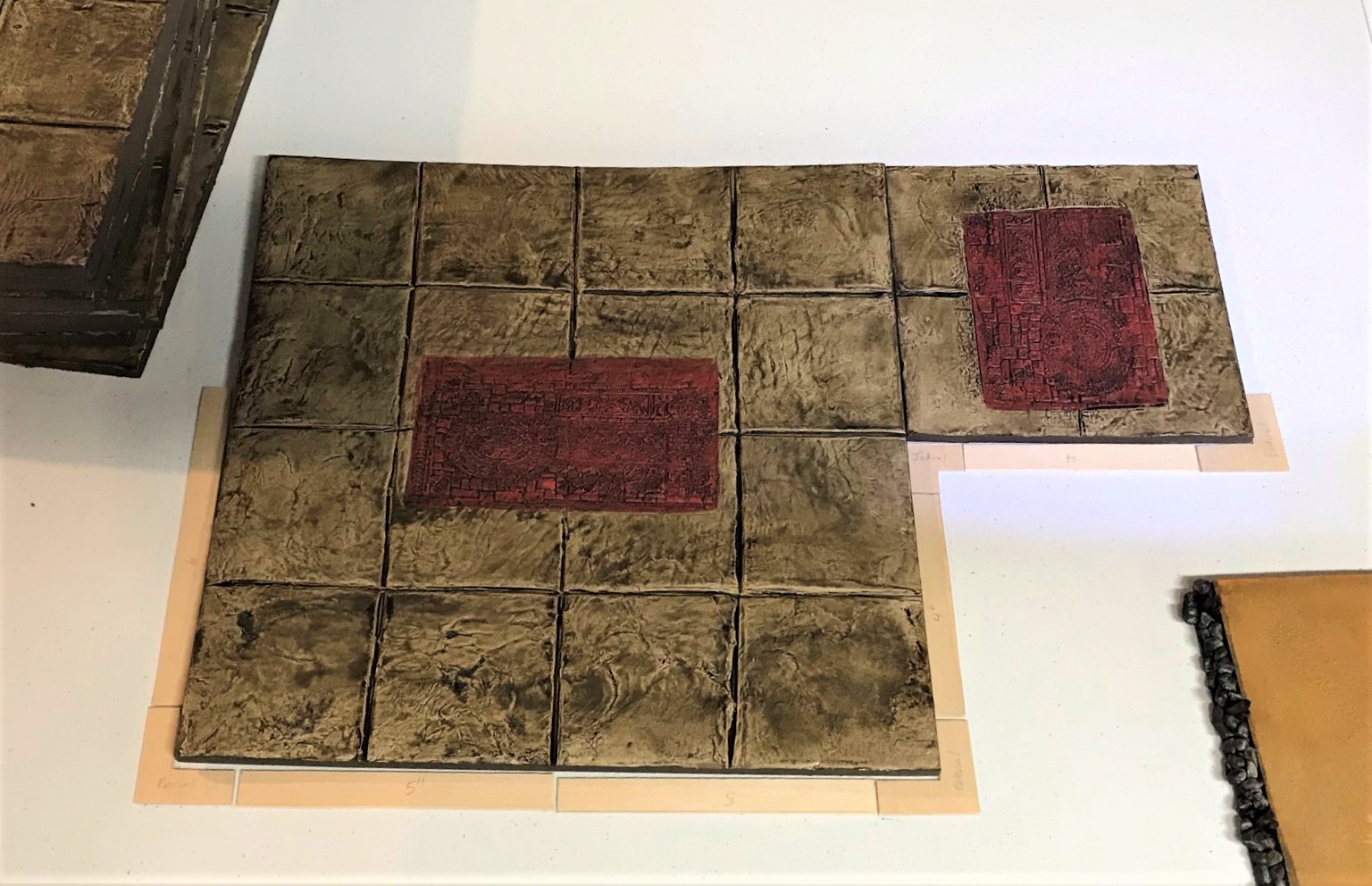
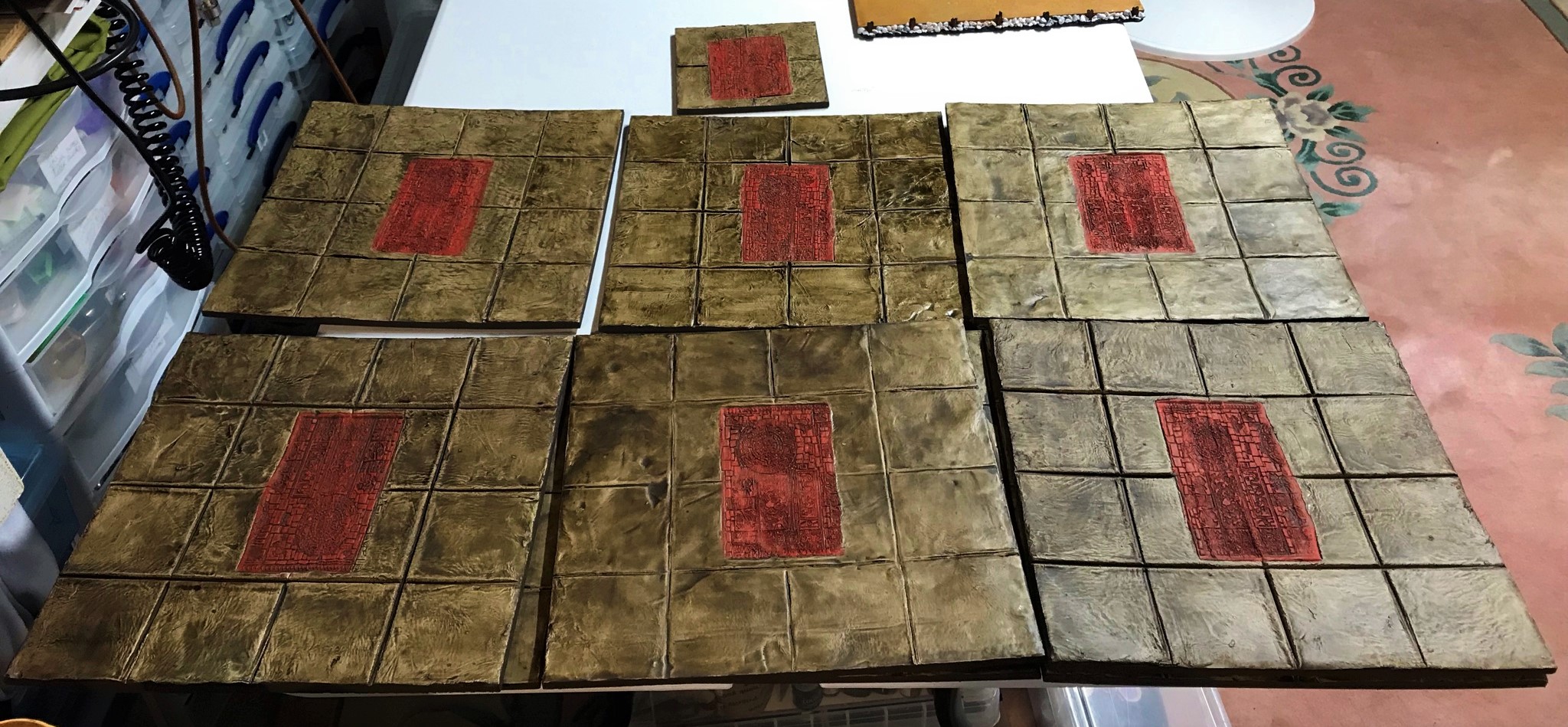
I then brush varnished and shaded all of the tiles. At this time I moved on to dry brushing the imprints with Citadel “Astorath Red”. I also darkened the edges with DecoArt “Raw Umber”. The tiles line up together on the lines nicely. Though some warp is visible, it is not horrible. I also went over all of the tiles and shaded them as needed so that the colors were similar and no untouched DAS/PVA was visible.
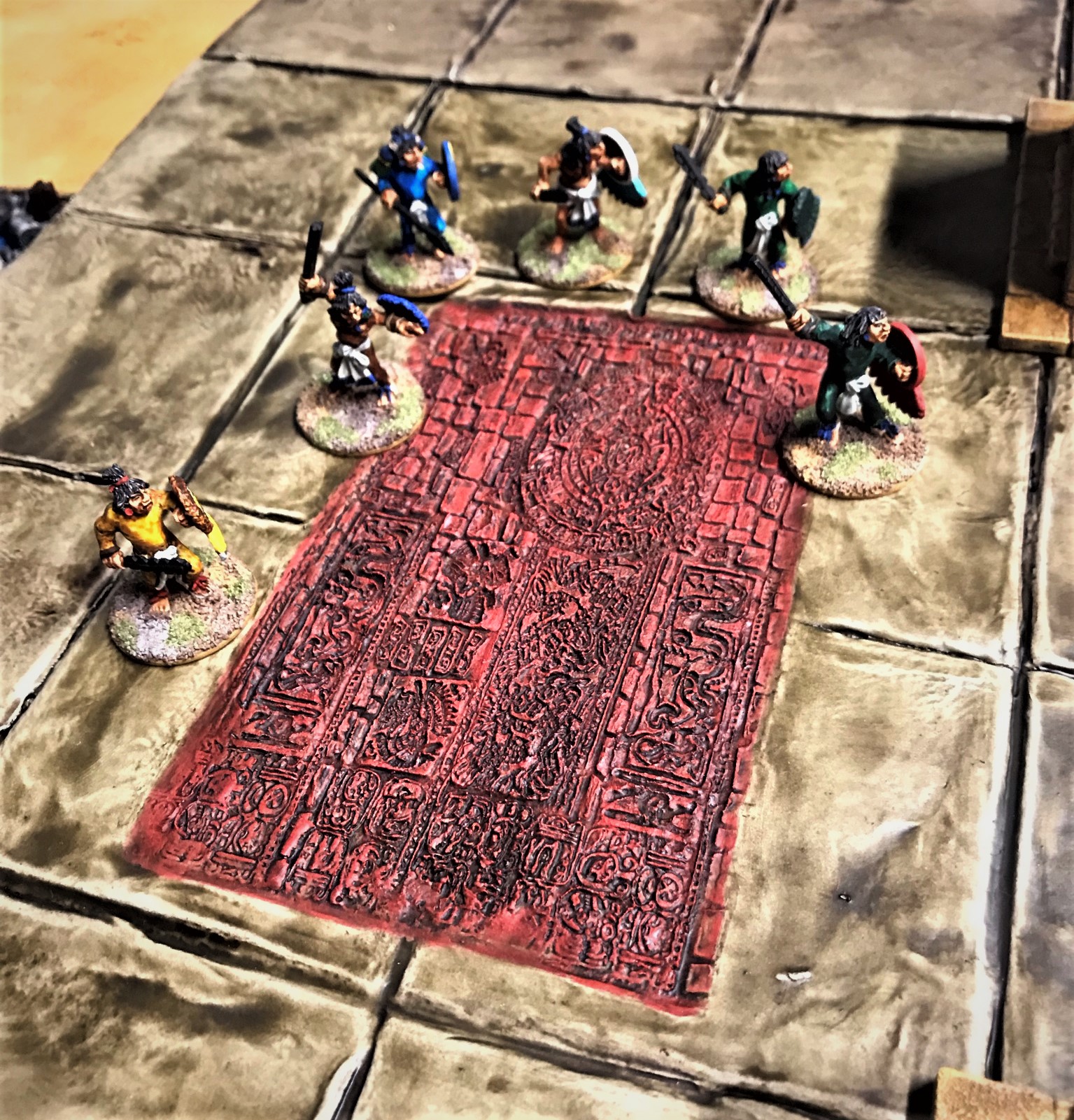
A comparison of the imprints before and after on the pavement tiles.All six tiles with imprints.Close up shot of a completed tile.An imprinted tile with some Aztec warriors for comparison.
Of course, when you see the completed cityscape, you will be able to better judge how all of these came out. As they are modular, I should be able to use them in many ways. They certainly meet the Aztec criteria of symmetry. Also, these all can be part of Dave’s Season of Scenery Challenge!
At this point in the project, I noticed how the edges of the tiles were a distraction and needed some attention. I thought that seeing bare 90 degree edges and MDF sides coming out of a lake (or swamp) was a less than aesthetically correct situation for my cityscape. People would have built the city up from the lake – and that would have involved reclaiming the lake as dry ground. How? Well, I am sure that the Aztecs would have used slave labor to haul and deposit tons upon tons of rocks on the water’s edge.
My fix was to build some revetments around the cityscape’s edge plus some lily pads, and cattails – which will be the next installment in this series!
I hope that you enjoyed this part 2 and that you stay tuned for the rest – let me know your thoughts in the comments section and I appreciate your giving this a read!
For all of my previous posts on games, units, and other projects for my 16th Century Spanish Conquest supplement for Feudal Patrol™ – “Civilizations Collide” – please see this page.
PAINTS, INKS, GLAZES, SHADES, WASHES, PIGMENTS, FLOCKING, GLUES AND MORE THAT I USED ON THESE TERRAIN PIECES/MODELS: